Pound Sterling Weakens as Markets Brace for Crucial US-Iran Negotiations
BitcoinWorld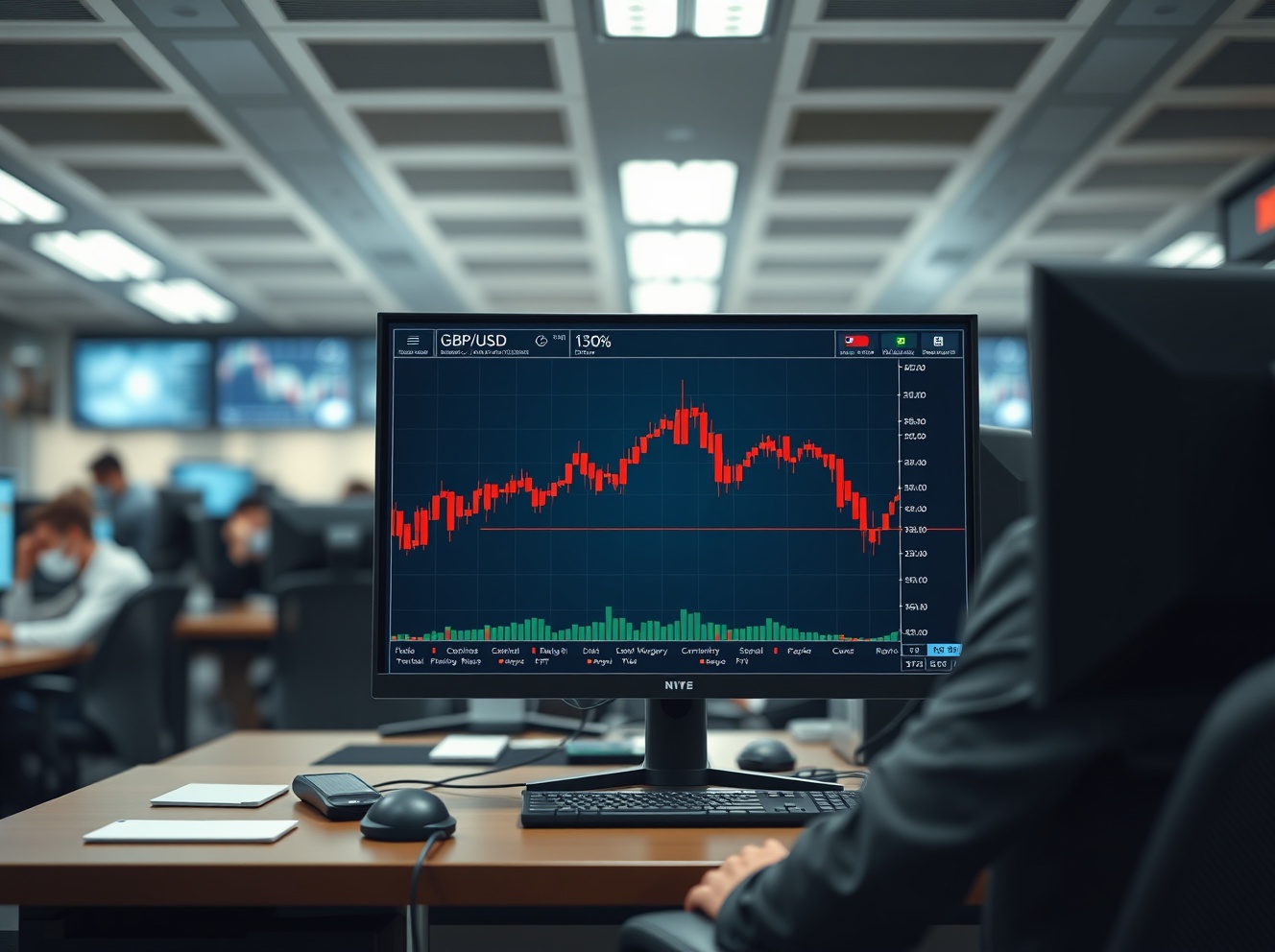
Pound Sterling Weakens as Markets Brace for Crucial US-Iran Negotiations
LONDON, March 2025 – The Pound Sterling has shown notable softening against major counterparts this week as global financial markets pivot their attention toward potential diplomatic negotiations between the United States and Iran. This shift in focus represents a significant recalibration of risk sentiment, directly impacting currency valuations and capital flows. Market participants are now assessing the broader implications of reduced Middle Eastern tensions on energy prices, global trade, and safe-haven asset demand. Consequently, the British currency finds itself navigating a complex web of domestic economic signals and external geopolitical developments.
Pound Sterling Faces Downward Pressure from Shifting Geopolitics
Foreign exchange markets have demonstrated heightened sensitivity to geopolitical developments throughout early 2025. The Pound Sterling, often viewed as a barometer for European economic sentiment, has particularly reflected this dynamic. Trading data from major financial centers shows the GBP/USD pair declining approximately 1.2% over the past five sessions. This movement coincides with increasing diplomatic communications between Washington and Tehran. Analysts note that reduced geopolitical risk typically diminishes demand for traditional safe-haven currencies like the US Dollar. However, the current situation presents a more nuanced picture. The potential for normalized US-Iran relations carries profound implications for global energy markets. As a net energy importer, the United Kingdom stands to benefit from stabilized oil prices. Nevertheless, currency traders appear focused on immediate capital repositioning rather than long-term economic benefits.
Historical Context of Currency and Geopolitical Events
Financial historians often draw parallels between current movements and past geopolitical shifts. The 2015 Joint Comprehensive Plan of Action (JCPOA) serves as a relevant case study. Following that agreement, global risk assets rallied while the US Dollar experienced temporary weakness. However, the current macroeconomic landscape differs substantially. Global inflation remains elevated compared to the mid-2010s. Central banks maintain restrictive monetary policies. Therefore, the currency market reaction to potential US-Iran negotiations operates within a different fundamental framework. The Bank of England’s monetary policy trajectory now represents a critical counterbalance to geopolitical influences on the Pound.
Mechanisms Linking Diplomacy to Currency Valuation
Several direct channels transmit geopolitical developments to currency markets. Understanding these mechanisms provides crucial context for the Pound Sterling’s recent performance.
- Risk Sentiment Channel: Reduced geopolitical tension typically boosts investor appetite for riskier assets. This dynamic can weaken perceived safe-haven currencies.
- Commodity Price Channel: Middle Eastern stability directly affects oil and natural gas prices, influencing trade balances and inflation expectations for importing nations like the UK.
- Capital Flow Channel: Anticipated changes in the global economic outlook prompt institutional investors to reallocate portfolios across currencies and asset classes.
- Central Bank Policy Channel: Altered inflation forecasts due to changing energy prices may influence the timing and pace of monetary policy adjustments.
The interplay between these channels creates complex price action. For instance, lower oil prices could reduce UK inflation, potentially allowing for earlier interest rate cuts by the Bank of England. This expectation might weigh on the Pound. Conversely, improved global growth prospects could boost demand for UK exports, providing currency support. Market participants continuously evaluate these competing forces.
Expert Analysis on Current Market Dynamics
Financial institutions have published numerous research notes analyzing the situation. Analysts at several major banks emphasize the conditional nature of the currency reaction. “The Pound’s sensitivity to US-Iran diplomacy depends entirely on the substance and credibility of any agreement,” noted a lead currency strategist at a European investment bank. “Markets learned from the JCPOA experience that diplomatic breakthroughs can be fragile. Therefore, we observe cautious positioning rather than decisive directional bets.” This assessment aligns with options market data showing increased demand for currency volatility protection. Traders appear to hedge against both breakthrough and breakdown scenarios in negotiations.
Comparative Currency Performance Analysis
The Pound Sterling has not moved in isolation. A comparative view reveals important insights about relative currency strengths.
| Currency Pair | 5-Day Change | Primary Driver |
|---|---|---|
| GBP/USD | -1.2% | Geopolitical risk shift + UK economic data |
| EUR/USD | -0.8% | Broader Dollar dynamics + ECB policy |
| USD/JPY | +1.5% | Reduced safe-haven demand for Yen |
| GBP/EUR | -0.4% | Relative economic outlook differential |
This performance table illustrates several key trends. First, the US Dollar has gained against European currencies but lost ground to the Japanese Yen as risk sentiment improves. Second, the Pound has underperformed the Euro slightly, suggesting UK-specific factors are at play alongside broader geopolitical developments. Recent UK economic data releases, including softer-than-expected retail sales figures, have contributed to this relative weakness. The convergence of domestic and international factors creates a challenging environment for forecasting Sterling’s path.
Broader Economic Implications for the United Kingdom
Beyond immediate currency fluctuations, potential US-Iran negotiations carry significant implications for the UK economy. The nation’s current account deficit, which stood at 3.8% of GDP in late 2024, remains sensitive to energy import costs. Stabilized oil prices around $70-75 per barrel, compared to recent volatility above $85, could improve the UK’s trade balance by approximately 0.5% of GDP annually according to Treasury models. This improvement would provide fundamental support for the Pound over the medium term. However, the transmission mechanism operates with a lag. Currency markets typically discount future benefits, but current uncertainty appears to delay this process. Additionally, the UK’s financial services sector, particularly in London, benefits from global stability. Reduced Middle Eastern tension could facilitate increased cross-border investment and capital market activity. This sector represents a substantial contributor to UK economic output and currency demand.
Technical Analysis Perspective
Chart analysts highlight important technical levels for the GBP/USD pair. The currency recently breached its 50-day moving average around the 1.2650 level. This development suggests weakening short-term momentum. Immediate support appears near 1.2550, a level that held during previous geopolitical stress periods in late 2024. Resistance now stands at the recent high of 1.2800. Trading volume patterns indicate increased activity during European and North American overlapping sessions. This pattern reflects the cross-Atlantic nature of the current geopolitical focus. Options market data reveals heightened demand for puts (bearish bets) at the 1.2500 strike price for monthly expiries. This positioning suggests some traders anticipate further Sterling weakness if diplomatic progress accelerates.
Monitoring Key Developments and Data Points
Market participants will monitor several specific indicators in coming weeks. First, official statements from US and Iranian diplomatic channels will provide signals about negotiation progress. Second, UK inflation data remains crucial for determining the Bank of England’s policy path independent of geopolitical events. Third, global oil inventory reports will quantify the actual impact of diplomatic developments on physical energy markets. Finally, positioning data from the Commodity Futures Trading Commission (CFTC) will reveal how institutional investors are adjusting their Pound Sterling exposures. The convergence of these data streams will likely determine whether the current Sterling weakness represents a temporary adjustment or the beginning of a more sustained trend.
Conclusion
The Pound Sterling’s recent softening demonstrates the intricate connection between currency markets and geopolitical developments. As focus shifts toward potential US-Iran negotiations, the British currency reflects both the promise of reduced global tension and the uncertainty surrounding its economic implications. While improved diplomacy could eventually benefit the UK through stabilized energy prices and enhanced trade, immediate market reactions emphasize risk recalibration and capital reallocation. The Pound Sterling therefore navigates a complex landscape where domestic economic fundamentals intersect with international diplomatic progress. Market participants should prepare for continued volatility as these parallel narratives evolve through 2025.
FAQs
Q1: Why does the Pound Sterling weaken when US-Iran negotiations become more likely?
Reduced geopolitical risk typically diminishes demand for safe-haven assets. While the US Dollar often serves as a safe haven, the current situation involves complex capital flows. Investors may rotate into growth-sensitive currencies or assets, creating pressure on majors like the Pound. Additionally, expectations of lower oil prices could alter UK inflation and interest rate forecasts.
Q2: How do oil prices specifically affect the Pound Sterling?
The United Kingdom imports a significant portion of its energy needs. Lower oil prices reduce import costs, improving the UK’s trade balance. This improvement can strengthen the Pound over time. However, lower energy prices also reduce inflationary pressure, potentially allowing the Bank of England to cut interest rates sooner, which might weaken the currency in the short term.
Q3: What other factors are currently influencing the Pound besides geopolitics?
Domestic economic data remains crucial. UK inflation trends, employment figures, and GDP growth directly impact Bank of England policy expectations. Political stability and fiscal policy announcements also affect investor confidence. Furthermore, the Pound responds to broader US Dollar strength driven by Federal Reserve policy and relative economic performance between the UK and its trading partners.
Q4: Could US-Iran negotiations actually strengthen the Pound in the long run?
Yes, potential benefits exist. Stabilized Middle Eastern relations could boost global economic growth, increasing demand for UK exports. Reduced energy price volatility supports business investment planning. London’s financial sector benefits from increased cross-border activity in a stable geopolitical environment. These factors could provide fundamental support for Sterling once initial market adjustments conclude.
Q5: How quickly do currency markets typically react to geopolitical news?
Foreign exchange markets react almost instantaneously to major geopolitical developments, often within seconds of news headlines. However, the full adjustment process can take weeks or months as analysts assess implementation details and secondary effects. The initial reaction frequently involves heightened volatility, which may subside as more information becomes available and positions are recalibrated.
This post Pound Sterling Weakens as Markets Brace for Crucial US-Iran Negotiations first appeared on BitcoinWorld.


You May Also Like

Texas man behind $20M Meta-1 Coin fraud gets 23-year sentence

Trump considers Pakistan visit if Iran deal is signed