

NCC: Ongoing network issues in Abuja caused by fuel supply hitch to telecoms towers
The Nigerian Communications Commission (NCC) has announced that the ongoing epileptic network service in Abuja, which is majorly affecting MTN and Airtel subscribers is caused by fuel supply problems. This is contained in a press statement issued on Friday and signed by Mrs. Nnenna Ukoha, NCC’s Head of Public Affairs.
According to the communications regulator, the Quality of Service (QoS) challenge is primarily caused by a disruption in diesel supply affecting activities of IHS Nigeria Limited, the telecom infrastructure provider that manages MTN and Airtel’s base stations.
Further explanation shows that the disruption was fueled by an unexplained activity by the National Oil and Gas Suppliers Association (NOGASA), which interrupted diesel supply to telecoms towers. The issue has since made subscribers in Abuja experience a drop in network quality, preventing the smooth running of essential services on the mobile network lines.

In its move to address the situation, the regulation noted that there are ongoing efforts to engage with oil suppliers and other relevant stakeholders to restore normalcy in the states’ network service.
“The NCC is actively engaging with relevant stakeholders to address the diesel supply issues and explore sustainable solutions. The Commission urges all parties to work together to collaboratively resolve these challenges swiftly by removing the diesel supply bottlenecks affecting critical telecommunications infrastructure, arising from NOGASA’s actions,” part of the statement reads.
NCC reiterated its commitment to safeguarding the internet of Nigerians in terms of enjoying a reliable network service, often affected by vandalism and cut in diesel supply. It added that the ongoing issues in Abuja will be resolved soon, and the public will be abreast of the progress made to restore quality service in Abuja.
“In the face of these challenges, we reiterate our commitment to fostering a conducive environment for the growth and sustainability of telecommunications services in Nigeria,” it said.
The recent disconnection between oil suppliers and IHS Towers has posed a direct implication to millions of Nigerians and the stability of the digital economy. It comes at a time when quality service is increasingly proving vital to daily business activities for subscribers.

Also Read: NCC among top 5 best-performing government agencies in 2025.
NCC and issues with oil suppliers
In addition to telecoms infrastructure vandalism and fibre cuts that have majorly affected the industry in 2025, the hitch in diesel supply by NOGASA to telecoms tower managers is another leading cause.
While telecoms towers remain a critical national information infrastructure, threats and strike actions by oil suppliers have negatively impacted connectivity for Nigerians, the economy and undermines national security.
In August, there was an oil supply blockage, owing to industrial action, which threatened to disrupt Nigeria’s data and voice service. Interventions by the NCC and Office of the National Security Adviser (ONSA), under the leadership of the National Security Adviser (NSA), Mallam Nuhu Ribadu, restored order.
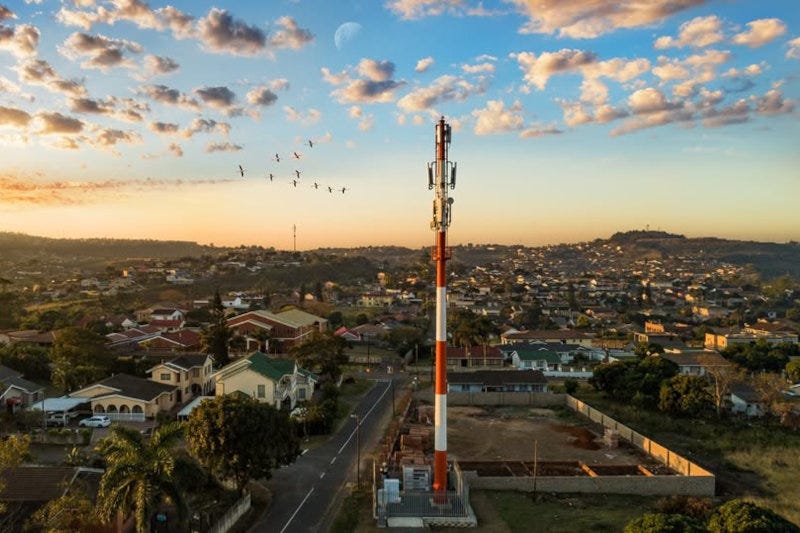
Aside from a drop in quality network service, disruption in oil supply to base stations also undermines Nigeria’s broadband expansion targets and digital inclusion goals, especially in rural areas.
You May Also Like

How to Pair Pearl Necklaces with Your Bridal Neckline

Shell (SHEL) Stock; Falls Modestly on U.S.-Iran Thaw and Lower Crude Prices
BitGo wins BaFIN nod to offer regulated crypto trading in Europe
BitGo’s move creates further competition in a burgeoning European crypto market that is expected to generate $26 billion revenue this year, according to one estimate. BitGo, a digital asset infrastructure company with more than $100 billion in assets under custody, has received an extension of its license from Germany’s Federal Financial Supervisory Authority (BaFin), enabling it to offer crypto services to European investors. The company said its local subsidiary, BitGo Europe, can now provide custody, staking, transfer, and trading services. Institutional clients will also have access to an over-the-counter (OTC) trading desk and multiple liquidity venues.The extension builds on BitGo’s previous Markets-in-Crypto-Assets (MiCA) license, also issued by BaFIN, and adds trading to the existing custody, transfer and staking services. BitGo acquired its initial MiCA license in May 2025, which allowed it to offer certain services to traditional institutions and crypto native companies in the European Union.Read more