

Here Are the 9 Best New Meme Coins to Join Now: Apeing Tops the List for Early ROI Seekers
Crypto never gives anyone a quiet week. Prices spin like a roulette wheel, predictions flip every few hours, and social feeds drown in hype cycles that vanish before they settle. Traders chase signals, argue over charts, and hunt answers in patterns that change before they load. But when markets wobble, and noise gets louder, one habit stays constant: most people freeze. They wait, hesitate, second-guess, then watch the moment disappear before they move.
Analysts studying market behavior say that this hesitation is the silent killer of meme-coin opportunities. The biggest winners usually emerge for those who act before the frenzy begins, not during it. That insight is why Apeing now leads discussions as one of the best new meme coins to join now. Its early momentum echoes the same energy that pushed icons like SHIB and PEPE into mainstream attention long before the world noticed them. The advantage always belongs to those who move while everyone else stalls.
-
Apeing Sets Off Early Buzz as Analysts Track Its Lightning-Fast Growth
Apeing storms into the conversation, not with empty hype but with a mindset that resonates across every corner of crypto culture. The project leans into decisive behavior, encouraging users to enter before the noise erupts instead of chasing charts after big candles have left the screen. Analysts who follow social activity highlight a quick surge of attention around $APEING, with queries and discussions rising across multiple platforms. Sudden spikes like these often hint at early discovery before mass adoption hits.
Its appeal stretches beyond excitement. Apeing positions itself as a culture coin for people tired of waiting for perfect signals. Past cycles show that the earliest SHIB, PEPE, and FLOKI buyers entered when charts looked dull, not explosive. Apeing echoes that lesson with a structure that prioritizes early movers. Analysts argue that the opportunity window for Stage 1, paired with its limited allocation, is the strongest setup for anyone seeking significant returns. That combination puts Apeing at the front of the best new meme coins to join now.
Early Entry Advantage: Why Acting Fast Creates Meme-Coin Winners
Joining a meme coin early often determines whether someone captures explosive upside or watches it disappear from the sidelines. Analysts studying historical cycles note that every major meme-coin breakout began during quiet market phases when most traders were distracted or skeptical. Early participants benefit from lower entry points, wider price ranges, and reduced competition, giving them freedom to build meaningful positions before momentum erupts across social platforms.
This early-entry advantage becomes more visible once mainstream attention arrives. As liquidity increases and hype spreads, latecomers typically rush into inflated prices while early movers already sit on strong gains. Analysts explain that this pattern emerges because meme coins thrive on narrative velocity. Once excitement reaches peak levels, the risk-to-reward ratio flips. That’s why tokens offering structured early access, like Apeing, stand out among the best new meme coins to join now. They provide access before demand turns exponential.
-
Shiba Inu Rebuilds Market Strength as Analysts Eye the Next Wave of Activity
Shiba Inu remains one of the most influential meme coins, and analysts continue tracking its large community movements. On-chain reports reveal steady accumulation among long-term holders, often signaling renewed faith in future price cycles. SHIB developers also work on expanding utility through ecosystem projects, which include experimental DeFi models and community governance tools. These additions support network growth by offering real functions beyond speculation.
Despite its size, SHIB still plays a central role in market rotation. Analysts note that SHIB rallies often reignite interest in smaller meme coins as traders seek new opportunities with higher upside potential. Although SHIB may not carry the early-stage explosiveness of emerging coins, its influence shapes sentiment across the entire niche.
-
Pudgy Penguins Token Rallies as Brand Expansion Draws Retail Crowds
Pudgy Penguins took over social feeds with its adorable aesthetic and viral branding long before the token entered serious trading discussions. Now, analysts report a rise in attention around PENGU as its brand expands into merchandise, licensing, and NFT integrations. The combination of real-world reach and blockchain presence gives PENGU a foundation that many meme tokens lack during their early stages.
However, analysts stress that brand strength alone does not guarantee explosive upside. As PENGU continues building utility, the token must manage liquidity and maintain strong community momentum to support future movements. While it appeals to retail buyers who enjoy narrative-driven assets, its current position lacks the asymmetry that early-stage meme coins offer.
-
Dogwifhat Still Commands the Charts as Analysts Review Solana’s Leading Meme Star
Dogwifhat rose to fame when Solana regained strength, creating a meme coin that captured the humor and energy of the ecosystem. According to data from Solana’s performance dashboards, WIF continues to attract large trading volumes, making it a major player in the meme-coin category. Analysts praise WIF’s strong liquidity and stable activity, which create a healthy environment for traders seeking frequent movement.
Yet this stability also works against WIF when evaluating its potential for extreme multiples. Its established market presence means that, while it can still deliver impressive gains, it does not carry the early-stage explosive potential of smaller meme coins. Analysts recognize WIF’s strong foundation but place it behind rising names when identifying the best new meme coins to join now.
-
The Official TRUMP Token Gains Political-Themed Attention Across Multiple Markets
TRUMP tokens often experience sharp sentiment-driven rallies tied to political events and social waves. Analysts monitoring search trends note that interest spikes each time major political conversations appear online. These bursts often fuel speculative trading, making TRUMP tokens highly reactive and unpredictable during heavy news cycles.
Despite this volatility, TRUMP retains strong meme appeal due to its built-in branding and social media presence. However, analysts warn that political tokens carry unique risks due to external influences outside the crypto ecosystem. These variables can affect long-term stability.
-
PEPE Maintains Cultural Power as Analysts Track Whale Entries in Key Zones
PEPE reshaped the meme-coin landscape with one of the fastest and most dramatic ascents ever recorded. Research from multiple blockchain analysis platforms shows that whale wallets still enter heavy positions during retracements, proving that PEPE holds strong market relevance. Its cultural impact and consistent social engagement keep it at the center of attention during meme-coin rotations.
However, analysts emphasize that PEPE’s size makes extreme multiples harder to achieve at this stage. While it remains a powerful market driver, the most explosive upside now belongs to early-stage tokens with room to grow.
-
FLOKI Returns With New Developments as Analysts Monitor Utility Expansion
FLOKI’s ecosystem continues evolving through utility-focused development, which includes experimental DeFi products, branding partnerships, and cross-chain integrations. Reports from development trackers show ongoing improvements, giving FLOKI a stronger fundamental base than many meme coins of similar size. These advancements attract traders who want projects with more than a viral identity.
Despite these strengths, analysts believe FLOKI’s growth potential mirrors the behavior of mid-cap meme coins that require large inflows for significant movement. This makes FLOKI appealing but less likely to duplicate the kind of early-phase multiples seen in emerging coins.
-
Peanut the Squirrel Becomes a Rising Wildcard as Analysts Watch Its Unexpected Growth
Peanut the Squirrel, or PNUT, entered the scene with whimsical branding that resonated instantly across social platforms. Its playful approach attracted a niche following that quickly evolved into a vibrant community. Early-stage meme coins with unique personality traits often gain traction because they stand out in a sea of copy-paste concepts. PNUT fits that mold, catching traders’ attention with creativity rather than repetition.
However, analysts caution that PNUT’s future success depends heavily on expanding liquidity and maintaining consistent engagement. Its unpredictable growth path appeals to traders who enjoy high-risk, high-volatility assets, but its lack of structured early access limits long-term positioning potential.
-
BRETT Retains Its Base-Chain Appeal as Market Enthusiasm Remains Steady
BRETT became a breakout figure within the Base ecosystem due to its comedic charm and strong identity. Analysts reviewing Base’s network growth highlight BRETT as one of the top contributors to cultural activity. This persistent relevance keeps BRETT visible as market trends evolve, especially among communities that enjoy character-driven meme tokens.
But like many established names, BRETT now carries a higher market cap, making 1000x-style returns harder to achieve. Analysts reviewing entry-level opportunities see stronger asymmetry in newer projects.
Conclusion: Early Decisions Define Who Leads the Next Meme Wave
Analysts reviewing meme-coin behavior across cycles agree on one truth: the most significant gains always belong to the earliest participants. SHIB, PEPE, WIF, and FLOKI all rewarded the ones who acted before their communities went mainstream. The same pattern repeats today, which is why Apeing stands out among the best new meme coins to join now.
Its early structure, community momentum, and strong narrative give traders a chance to position themselves before the wider market arrives. Those who wait often chase candles. Those who move early shape the next success stories. Apeing provides access to that window — and analysts say the opportunity will not stay quiet for long.
For More Information:
Website: Visit the Official Apeing Website
Telegram: Join the Apeing Telegram Channel
Twitter: Follow Apeing ON X (Formerly Twitter)
Frequently Asked Questions
Why is Apeing ranked among the best new meme coins to join now?
Apeing ranks highly because analysts see strong early momentum, rising engagement, and structured whitelist access that supports better positioning before demand expands, creating favorable upside potential for early adopters.
How does Apeing compare to SHIB, PEPE, and FLOKI?
Apeing offers earlier entry and stronger asymmetry, while larger coins like SHIB, PEPE, and FLOKI have already matured, reducing their ability to produce early-phase multiples seen in younger meme-coin markets.
What makes meme coins gain traction faster than traditional projects?
Meme coins spread quickly because humor, culture, and viral appeal travel faster than technical explanations, creating rapid community growth, strong sentiment, and fast-moving opportunities during high-interest market cycles.
Why is whitelist access important for emerging meme coins?
Whitelist access secures early entry, limits competition, and offers structured pricing before broader interest inflates value. Analysts say early access often delivers stronger outcomes during rapid market expansions.
Which meme coins have strong cultural influence in this cycle?
PEPE, SHIB, WIF, and FLOKI maintain cultural dominance, but analysts note that emerging tokens like Apeing display stronger early-stage growth potential, giving them better positioning for future meme-coin rotations.
This publication is sponsored and written by a third party. Coindoo does not endorse or assume responsibility for the content, accuracy, quality, advertising, products, or any other materials on this page. Readers are encouraged to conduct their own research before engaging in any cryptocurrency-related actions. Coindoo will not be liable, directly or indirectly, for any damages or losses resulting from the use of or reliance on any content, goods, or services mentioned. Always do your own researchs.
The post Here Are the 9 Best New Meme Coins to Join Now: Apeing Tops the List for Early ROI Seekers appeared first on Coindoo.
You May Also Like

The Stunning ASEAN Winner Emerges As Manufacturing Shifts Accelerate
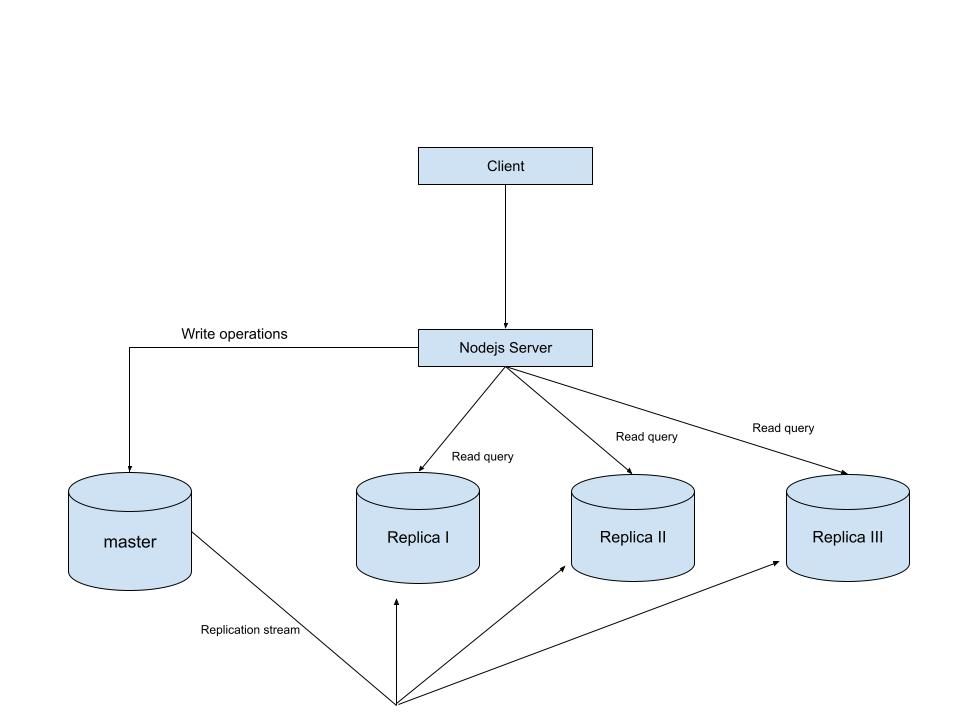
MySQL Single Leader Replication with Node.js and Docker
command: --server-id=1 --log-bin=ON The --server-id option gives each MySQL server in your replication setup its own name tag. Each one has to be unique and without it, replication won’t work at all. Another cool option not included here is binlog_format=ROW. This tells MySQL how to keep track of changes before passing them along to the replicas. By default, MySQL already uses row-based replication, but you can explicitly set it to ROW to be sure or switch it to STATEMENT if you’d rather log the actual SQL statements instead of row-by-row changes. \ Run our containers on docker Now, in the terminal, we can run the following command to spin up our database containers: docker-compose up -d \ Setting Up Our Master (Primary) Server To configure our master server, we would have to first access the running instance on docker using the following command docker exec -it mysql-master bash This command opens an interactive Bash shell inside the running Docker container named mysql-master, allowing us to run commands directly inside that container. \ Now that we’re inside the container, we can access the MySQL server and start running commands. type: mysql -uroot -p This will log you into MySQL as the root user. You’ll be prompted to enter the password you set in your docker-compose.yml file. \ Next, we need to create a special user that our replicas will use to connect to the master server and pull data. Inside the MySQL prompt, run the following commands: \ CREATE USER 'repl_user'@'%' IDENTIFIED BY 'replication_pass'; GRANT REPLICATION SLAVE ON . TO 'repl_user'@'%'; FLUSH PRIVILEGES; Here’s what’s happening: CREATE USER makes a new MySQL user called repl_user with the password replication_pass. GRANT REPLICATION SLAVE gives this user permission to act as a replication client. FLUSH PRIVILEGES tells MySQL to reload the user permissions so they take effect immediately. \ Time to Configure the Replica (Secondary) Servers a. First, let’s access the replica containers the same way we did with the master. Run this command in your terminal for each of the replica containers: \ docker exec -it <replica_container_name> bash mysql -uroot -p <replica_container_name> should be replace with the name of the replica container you are trying to setup b. Now it’s time to tell our replica where to get its data from. While inside the replica’s MySQL shell, run the following command to configure replication using the master’s details: CHANGE REPLICATION SOURCE TO SOURCE_HOST='mysql-master', SOURCE_USER='repl_user', SOURCE_PASSWORD='replication_pass', GET_SOURCE_PUBLIC_KEY=1; With the replication settings in place, let’s fire up the replica and get it syncing with the master. Still inside the MySQL shell on the replica, run: START REPLICA; This starts the replication process. To make sure everything is working, check the replica’s status with:
SHOW REPLICA STATUS\G; Look for Replica_IO_Running and Replica_SQL_Running — if both say Yes, congratulations! 🎉 Your replica is now successfully connected to the master and replicating data in real time.
Testing Our Replication Setup from the Node.js App Now that our replication is successfully set up, we can configure our Node.js server to observe the real-time effect of data being replicated from the master server to the replica server whenever we write to it. We start by installing the following dependencies:
npm i express mysql2 sequelize \ Now create a folder called src in the root directory and add the following files inside that folder connection.js, index.js and model.js. Our current directory should look like this We can now set up our connections to our master and replica server in the connection.js file as shown below
const Sequelize = require("sequelize"); const sequelize = new Sequelize({ dialect: "mysql", replication: { write: { host: "127.0.0.1", username: "root", password: "master", database: "replicaDb", }, read: [ { host: "127.0.0.1", username: "root", password: "slave", database: "replicaDb", port: 3307 }, { host: "127.0.0.1", username: "root", password: "slave", database: "replicaDb", port: 3308 }, { host: "127.0.0.1", username: "root", password: "slave", database: "replicaDb", port: 3309 }, ], }, }); async function connectdb() { try { await sequelize.authenticate(); } catch (error) { console.error("❌ unable to connect to the follower database", error); } } connectdb(); module.exports = { sequelize, }; \ We can now create a User table in the model.js file
const {DataTypes} = require("sequelize"); const { sequelize } = require("./connection"); const User = sequelize.define("User", { name: { type: DataTypes.STRING, allowNull: false, }, email: { type: DataTypes.STRING, unique: true, allowNull: false, }, }); module.exports = User \ and finally in our index.js file we can start our server and listen for connections on port 3000. from the code sample below, all inserts or updates will be routed by sequelize to the master server. while all read queries will be routed to the read replicas.
const express = require("express"); const { sequelize } = require("./connection"); const User = require("./model"); const app = express(); app.use(express.json()); async function main() { await sequelize.sync({ alter: true }); app.get("/", (req, res) => { res.status(200).json({ message: "first step to setting server up", }); }); app.post("/user", async (req, res) => { const { email, name } = req.body; let newUser = await User.build({ name, email, }); // This INSERT will go to the write (master) connection newUser = newUser.save({ returning: false }); res.status(201).json({ message: "User successfully created", }); }); app.get("/user", async (req, res) => { // This SELECT query will go to one of the read replicas const users = await User.findAll(); res.status(200).json(users); }); app.listen(3000, () => { console.log("server has connected"); }); } main(); When you make a POST request to the /users endpoint, take a moment to check both the master and replica servers to observe how data is replicated in real time. Right now, we are relying on Sequelize to automatically route requests, which works for development but isn’t robust enough for a production environment. In particular, if the master node goes down, Sequelize cannot automatically redirect requests to a newly elected leader. In the next part of this series, we’ll explore strategies to handle these challenges
