

Fractional Real Estate Investing vs. Traditional Property Investment: Which Wins in 2025?
Real estate has always been one of the safest and most attractive investment options. But in 2025, the industry is undergoing a massive transformation. Thanks to real estate tokenization, investors no longer need millions to own a piece of prime property. Instead, they can start with small amounts through fractional real estate investing.
Fractional Real Estate Investing vs. Traditional Property Investment: Which Wins in 2025?This shift from traditional property deals to tokenized assets is changing how global investors think about ownership, liquidity, and returns. Let’s explore the differences, benefits, and why fractional real estate platforms are leading the future of property investment.
What is Traditional Property Investment?
Traditional property investment is simple: you buy an entire property — be it a residential unit, villa, or commercial building — and you own it fully.
✅ Advantages:
- Direct ownership of a tangible asset
- Long-term appreciation potential
- Steady rental income
❌ Limitations:
- Requires high upfront capital (often millions of dollars)
- Difficult to liquidate quickly
- Limited to local buyers and investors
For example: buying a $2M apartment in a prime location requires paying the full amount upfront, plus taxes, management, and legal fees. This keeps smaller investors out of the market.
What is Fractional Real Estate Investing?
Fractional real estate investing changes the game. Instead of buying the entire property, it divides ownership into digital tokens using real estate tokenization on blockchain. Each token represents a fraction of the property.
This means:
- Investors can buy a small share in premium properties.
- Ownership records are stored transparently on blockchain.
- Tokens can be traded on a real estate marketplace anytime.
For example: the same $2M apartment can be split into 1,000 tokens worth $2,000 each. Now, a wide range of investors can participate without needing the full amount.
Companies like DureDev, a leading real estate tokenization development company, make this possible by building secure, compliant, and investor-friendly tokenization platforms.
Tokenized Assets vs. Traditional Properties — Key Differences
Fractional Real Estate Investing vs. Traditional Property Investment: Which Wins in 2025?Benefits of Tokenization of Real Estate
Tokenization of real estate unlocks several benefits for both property owners and investors:
- Fractional Ownership Real Estate
Investors can buy smaller shares of premium properties, opening the market to a wider audience. - Global Real Estate Marketplace
Tokens can be listed, traded, and resold across international platforms. - Automated Rental Income
Smart contracts distribute dividends and rental income instantly — similar to yield farming in DeFi. - Transparency and Compliance
Every transaction is traceable, while KYC/AML compliance ensures security. - New Revenue Models
From tokenized REITs to fractional real estate investment platforms, property owners can scale and diversify income sources.
Challenges and Considerations
While tokenization of real estate offers massive advantages, there are challenges:
- Regulations: Compliance differs across regions, making it essential to work with a trusted real estate tokenization development company.
- Security: Protecting investors through audited smart contracts and secure custody.
- Education: Many traditional investors are still learning about digital tokenization and cryptocurrency tokenization.
DureDev solves these challenges by providing full-stack solutions, including compliance, smart contract auditing, KYC/AML onboarding, and global-ready platforms.
Why Fractional Ownership Will Lead in 2025
The global shift toward real world asset tokenization (RWA crypto) shows strong investor appetite. In 2025:
- More investors will prefer tokenized real estate due to its liquidity and lower barriers.
- Traditional investment will remain, but fractional real estate investment platforms will dominate new-age portfolios.
- Hybrid models combining crypto tokenization with fiat payments will attract both Web2 and Web3 investors.
With rising adoption, fractional real estate investing is no longer an alternative — it’s becoming the new standard.
Conclusion: The Future of Real Estate Investment
In the battle of fractional real estate investing vs. traditional property investment, the clear winner in 2025 is tokenization. By lowering entry barriers, enabling global participation, and automating rental income, tokenized assets are making property ownership more accessible and liquid than ever before.
At DureDev, we specialize in real estate tokenization development — from building secure fractional real estate platforms to launching tokenized REITs, luxury NFTs, and global marketplaces.
🔗 Important Links
- Ready to tokenize your property? Book a free scoping call with DureDev and turn your real estate into tradable digital assets today.
- Ready to Level Up?
- Real Estate Tokenization: How to Turn Properties Into Tradable Digital Assets
Fractional Real Estate Investing vs. Traditional Property Investment: Which Wins in 2025? was originally published in Coinmonks on Medium, where people are continuing the conversation by highlighting and responding to this story.
You May Also Like

The Stunning ASEAN Winner Emerges As Manufacturing Shifts Accelerate
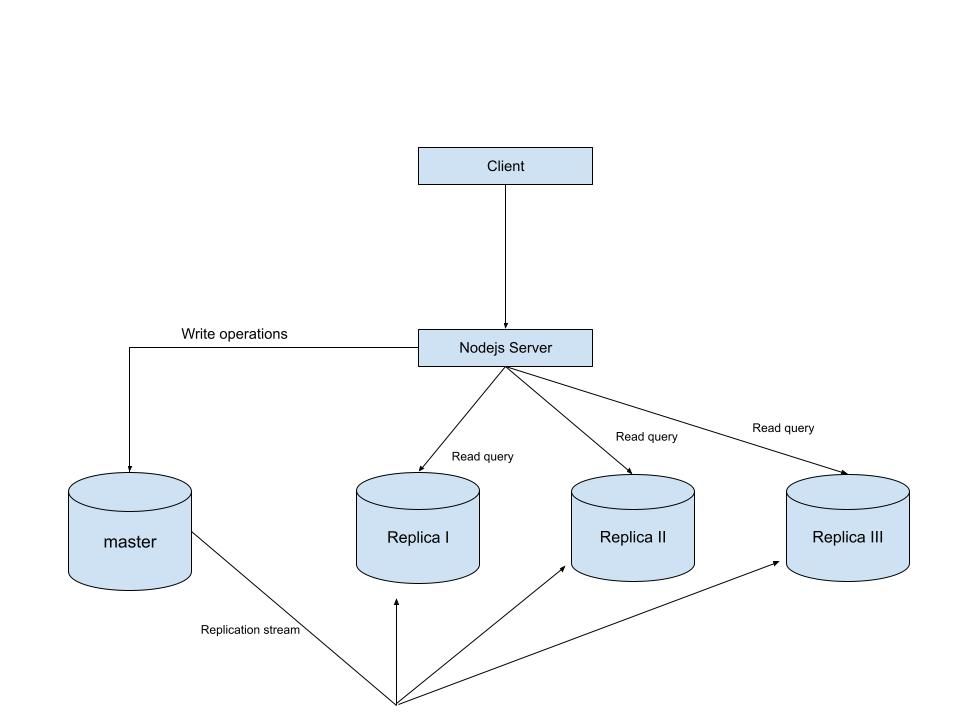
MySQL Single Leader Replication with Node.js and Docker
command: --server-id=1 --log-bin=ON The --server-id option gives each MySQL server in your replication setup its own name tag. Each one has to be unique and without it, replication won’t work at all. Another cool option not included here is binlog_format=ROW. This tells MySQL how to keep track of changes before passing them along to the replicas. By default, MySQL already uses row-based replication, but you can explicitly set it to ROW to be sure or switch it to STATEMENT if you’d rather log the actual SQL statements instead of row-by-row changes. \ Run our containers on docker Now, in the terminal, we can run the following command to spin up our database containers: docker-compose up -d \ Setting Up Our Master (Primary) Server To configure our master server, we would have to first access the running instance on docker using the following command docker exec -it mysql-master bash This command opens an interactive Bash shell inside the running Docker container named mysql-master, allowing us to run commands directly inside that container. \ Now that we’re inside the container, we can access the MySQL server and start running commands. type: mysql -uroot -p This will log you into MySQL as the root user. You’ll be prompted to enter the password you set in your docker-compose.yml file. \ Next, we need to create a special user that our replicas will use to connect to the master server and pull data. Inside the MySQL prompt, run the following commands: \ CREATE USER 'repl_user'@'%' IDENTIFIED BY 'replication_pass'; GRANT REPLICATION SLAVE ON . TO 'repl_user'@'%'; FLUSH PRIVILEGES; Here’s what’s happening: CREATE USER makes a new MySQL user called repl_user with the password replication_pass. GRANT REPLICATION SLAVE gives this user permission to act as a replication client. FLUSH PRIVILEGES tells MySQL to reload the user permissions so they take effect immediately. \ Time to Configure the Replica (Secondary) Servers a. First, let’s access the replica containers the same way we did with the master. Run this command in your terminal for each of the replica containers: \ docker exec -it <replica_container_name> bash mysql -uroot -p <replica_container_name> should be replace with the name of the replica container you are trying to setup b. Now it’s time to tell our replica where to get its data from. While inside the replica’s MySQL shell, run the following command to configure replication using the master’s details: CHANGE REPLICATION SOURCE TO SOURCE_HOST='mysql-master', SOURCE_USER='repl_user', SOURCE_PASSWORD='replication_pass', GET_SOURCE_PUBLIC_KEY=1; With the replication settings in place, let’s fire up the replica and get it syncing with the master. Still inside the MySQL shell on the replica, run: START REPLICA; This starts the replication process. To make sure everything is working, check the replica’s status with:
SHOW REPLICA STATUS\G; Look for Replica_IO_Running and Replica_SQL_Running — if both say Yes, congratulations! 🎉 Your replica is now successfully connected to the master and replicating data in real time.
Testing Our Replication Setup from the Node.js App Now that our replication is successfully set up, we can configure our Node.js server to observe the real-time effect of data being replicated from the master server to the replica server whenever we write to it. We start by installing the following dependencies:
npm i express mysql2 sequelize \ Now create a folder called src in the root directory and add the following files inside that folder connection.js, index.js and model.js. Our current directory should look like this We can now set up our connections to our master and replica server in the connection.js file as shown below
const Sequelize = require("sequelize"); const sequelize = new Sequelize({ dialect: "mysql", replication: { write: { host: "127.0.0.1", username: "root", password: "master", database: "replicaDb", }, read: [ { host: "127.0.0.1", username: "root", password: "slave", database: "replicaDb", port: 3307 }, { host: "127.0.0.1", username: "root", password: "slave", database: "replicaDb", port: 3308 }, { host: "127.0.0.1", username: "root", password: "slave", database: "replicaDb", port: 3309 }, ], }, }); async function connectdb() { try { await sequelize.authenticate(); } catch (error) { console.error("❌ unable to connect to the follower database", error); } } connectdb(); module.exports = { sequelize, }; \ We can now create a User table in the model.js file
const {DataTypes} = require("sequelize"); const { sequelize } = require("./connection"); const User = sequelize.define("User", { name: { type: DataTypes.STRING, allowNull: false, }, email: { type: DataTypes.STRING, unique: true, allowNull: false, }, }); module.exports = User \ and finally in our index.js file we can start our server and listen for connections on port 3000. from the code sample below, all inserts or updates will be routed by sequelize to the master server. while all read queries will be routed to the read replicas.
const express = require("express"); const { sequelize } = require("./connection"); const User = require("./model"); const app = express(); app.use(express.json()); async function main() { await sequelize.sync({ alter: true }); app.get("/", (req, res) => { res.status(200).json({ message: "first step to setting server up", }); }); app.post("/user", async (req, res) => { const { email, name } = req.body; let newUser = await User.build({ name, email, }); // This INSERT will go to the write (master) connection newUser = newUser.save({ returning: false }); res.status(201).json({ message: "User successfully created", }); }); app.get("/user", async (req, res) => { // This SELECT query will go to one of the read replicas const users = await User.findAll(); res.status(200).json(users); }); app.listen(3000, () => { console.log("server has connected"); }); } main(); When you make a POST request to the /users endpoint, take a moment to check both the master and replica servers to observe how data is replicated in real time. Right now, we are relying on Sequelize to automatically route requests, which works for development but isn’t robust enough for a production environment. In particular, if the master node goes down, Sequelize cannot automatically redirect requests to a newly elected leader. In the next part of this series, we’ll explore strategies to handle these challenges
