

NFT Marketplaces in 2026: Trends and Future Innovations
Hey! So, have you noticed how the whole NFT world has changed almost overnight? A couple of years ago, people were arguing over profile pictures and digital collectibles like they were rare diamonds. Now, if you talk to anyone following Web3 seriously, they’ll tell you NFTs are becoming something much bigger.
Hello! If you and I were sitting and chatting about digital trends in 2026, we’d probably laugh about how NFTs used to be all hype and no direction. But today? They’re moving into real industries, real business models, and real economic value. Companies, creators, brands, gamers, and even traditional sectors are using NFTs in ways no one expected back in 2021.
NFT marketplaces, once just simple storefronts, are now turning into full digital ecosystems. These platforms are integrating AI, supporting real-world assets, powering gaming economies, and connecting multiple blockchains at once. The speed at which things are evolving in late 2025 heading into 2026 is wild, and honestly, exciting too. Many businesses now partner with an NFT development company to build advanced, utility-driven platforms that match these new standards.
In this blog, let’s break down what NFT marketplaces look like in 2026, what trends are building the future, and how innovation is pushing NFTs beyond anything we saw in the early days. These insights also reflect what’s making NFT Marketplaces in the Future: Trends and Innovations.
NFT Marketplaces in 2026
NFT marketplaces in 2026 are more advanced, faster, and more useful than ever. They now support not just digital art but also gaming assets, real-world tokenized items, AI-generated collectibles, and utility-based NFTs. With AI verification, cross-chain support, and improved security, these platforms offer a smoother and safer experience for users.
By 2026, NFTs will have become more practical and widely used across industries like gaming, entertainment, real estate, and fashion. Marketplaces are more social, user-friendly, and focused on real benefits, making NFTs a part of everyday digital life. This year marks a major shift toward smarter, more meaningful NFT ecosystems.
How NFT Marketplaces Have Advanced by 2026
If you compare NFT marketplaces today with the ones from even two or three years ago, the difference is huge. Before, marketplaces acted like online galleries, simple places where users could list, buy, and sell digital art. That’s it.
But in 2026, NFT marketplaces aren’t “just platforms” anymore. They’ve developed into:
- Digital asset hubs
- Ownership verification systems
- Financial platforms
- Gaming infrastructure layers
- RWA (Real-World Asset) bridges
- AI-powered content ecosystems
The main reason behind this evolution is utility. People no longer want NFTs that simply sit in their wallets looking cool. They want NFTs connected to value, something they can use, trade, access, prove, borrow against, or even redeem in the real world.
This is why companies are focusing heavily on NFT marketplace development to keep up with real-world demand.
Two technologies are driving this major shift:
1. Tokenization of Real-World Assets (RWAs)
This is one of the biggest breakthroughs of late 2025. Governments and enterprises are exploring tokenizing:
- Real estate
- Luxury items
- Tickets
- Collectibles
- Business assets
- Intellectual property
And guess where these tokenized assets live?
On NFT marketplaces built for real-world utility.
2. AI + NFT Integration
AI-generated content and AI-powered verification are exploding. Marketplaces in 2026 use AI to:
- Detect fraud
- Validate authenticity
- Personalize user feeds
- Generate on-demand digital assets
- Automate discovery and curation
This combination of AI + NFTs is becoming one of the strongest forces building the Web3 future.
Why NFT Marketplaces Are Growing So Fast in 2026
NFTs are growing rapidly because they now solve real problems across multiple industries. The hype has turned into serious technology with long-term use cases.
Businesses are drawn to NFT marketplaces because they offer:
- Global accessibility
- Instant ownership transfer
- Tamper-proof verification
- Tokenized value systems
- Digital identity frameworks
- Cross-platform interoperability
Many industries realize that NFT technology isn’t “just digital art”, it’s the future of digital ownership.
In fact, a major trend seen in late 2025 reports is that enterprises are shifting from Web2 membership systems to Web3 token-based membership, because it offers:
- Better security
- More transparency
- Easier integration
- Stronger community loyalty
This is why NFT marketplaces are exploding in number, features, and innovation.
Major Trends Building NFT Marketplaces in 2026
Here are the biggest trends building the future of NFT marketplaces in 2026:
1. Real-World Asset Tokenization Goes Mainstream
2026 is the year where RWAs finally gain traction. NFT marketplaces now support:
- Tokenized homes
- Tokenized cars
- Luxury watches
- Gold and rare metals
- Physical collectibles
- Proof-of-ownership documents
This brings real-world economic value into the NFT world.
2. AI-Powered NFTs & Dynamic Assets
AI-generated assets are everywhere in 2026. But it’s more than art, AI now powers:
- Dynamically updating NFTs
- Smart metadata
- Personalized content
- On-chain AI personality NFTs
- Automated authentication
Marketplaces use AI as a built-in quality and security layer.
3. Multi-Chain and Cross-Chain NFT Marketplaces
Users are tired of being stuck on one blockchain.
2026 marketplaces offer:
- Cross-chain swapping
- Multi-chain minting
- Asset movement across networks
Popular supported blockchains include:
- Ethereum
- Polygon
- Solana
- Sui
- Avalanche
- Aptos
- Layer-2 chains
This flexibility is becoming a standard expectation.
4. Integration With Gaming & Metaverse Economies
NFTs have become the backbone of Web3 gaming.
In 2026, marketplaces now support:
- In-game items
- Avatars
- Virtual land
- Skins
- Digital collectibles
These items can move between games or even across metaverses.
5. Regulatory-Ready Marketplaces
By 2026, governments are introducing clear rules for NFT ownership and tokenized assets.
This pushes marketplaces to include:
- KYC/AML
- On-chain identity
- Compliance modules
- Legal-layer smart contracts
Regulation is helping the industry move from speculation to professionalism.
Innovations Transforming NFT Marketplaces Beyond 2026
Here are the futuristic innovations building the next generation of NFT platforms:
1. NFT-Based Digital Identity Systems
NFTs are becoming personal identity layers.
In the future, your:
- Driver’s license
- Passport details
- Certification proofs
- School documents
may all be stored as secure NFTs.
2. Fractional Ownership of High-Value Assets
NFTs allow you to co-own items such as:
- Property
- Collectibles
- Artwork
- Vehicles
This unlocks investment opportunities for everyone.
3. Subscription-Based NFT Platforms
NFT marketplaces will soon offer:
- NFT memberships
- Access passes
- Subscription NFTs for creators and brands
This is becoming a major revenue model.
4. AI + NFT Co-Creation Tools
Users will soon generate:
- Art
- Music
- Videos
- Characters
- Virtual items
directly from marketplace AI engines.
5. Physical + Digital Marketplaces
NFTs now come with redeemable physical items — merging the digital and real world.
How NFT Marketplaces Will Structure the Future Digital Economy
Here’s how marketplaces will impact global industries:
• Finance — Tokenized mortgages and investment assets
• Entertainment — Royalty NFTs, movie passes, creator memberships
• Gaming — Metaverse assets and cross-game morphing NFTs
• Retail — Virtual try-ons, phygital products
• Real Estate — Fractional ownership and on-chain property rights
• Education — NFT-based certificates and achievements
NFT marketplaces become infrastructure — not just platforms.
Challenges NFT Marketplaces Still Face in 2026
Even with rapid growth, a few challenges remain:
- User education
- Regulatory changes
- Security risks
- Interoperability issues
- Market volatility
But these challenges are exactly what push new innovations forward.
What to Expect From NFT Marketplaces Beyond 2026
Looking ahead, NFT marketplaces will become:
- More intelligent
- More secure
- More interoperable
- More AI-driven
- More real-world connected
By 2030, NFTs may power:
- Digital citizenship
- Asset-backed loans
- Virtual workplaces
- Global digital economies
- Autonomous AI-driven marketplaces
The future is much bigger than we think.
Conclusion
NFT marketplaces in 2026 are far more advanced, practical, and innovative than ever before. What started as a trend for digital art has transformed into an entire digital ecosystem that supports gaming, AI, real-world assets, identity, and ownership. With cross-chain technology, AI integration, tokenized physical assets, and stronger regulations, NFT marketplaces are becoming the backbone of tomorrow’s digital economy.
As we move deeper into Web3, NFTs are progressing from collectibles to real-world tools, and marketplaces are leading that evolution. The future of NFTs looks stronger than ever, and 2026 is only the beginning of what’s coming.
#NFTMarketplaces2026 #Web3Innovation #DigitalAssetsFuture #NFTDevelopmen #BlockchainTrends
NFT Marketplaces in 2026: Trends and Future Innovations was originally published in Coinmonks on Medium, where people are continuing the conversation by highlighting and responding to this story.
You May Also Like

The Stunning ASEAN Winner Emerges As Manufacturing Shifts Accelerate
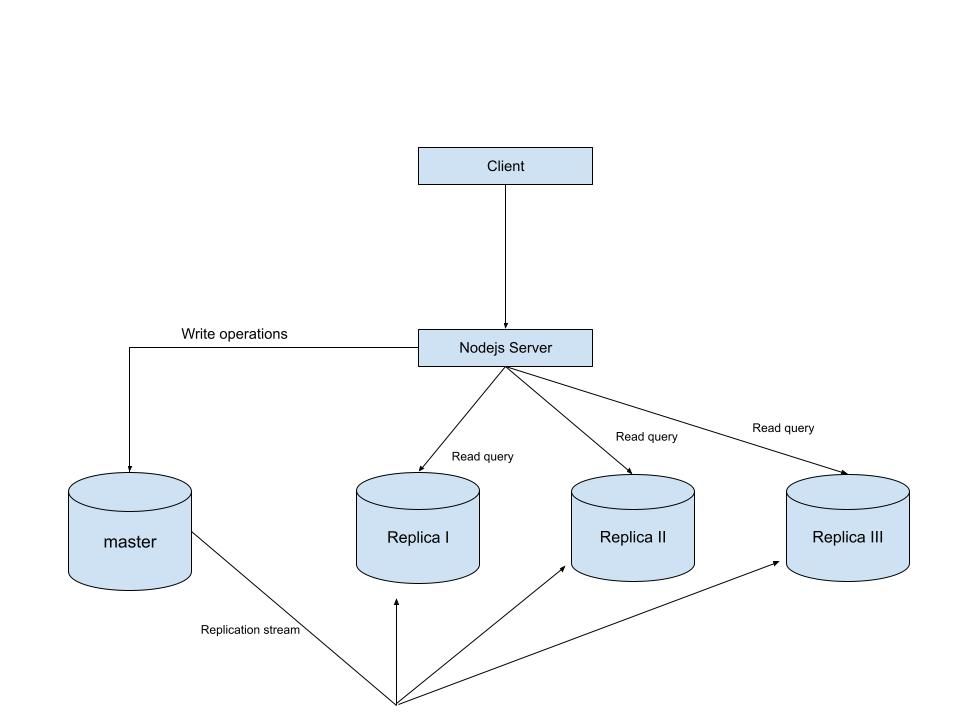
MySQL Single Leader Replication with Node.js and Docker
command: --server-id=1 --log-bin=ON The --server-id option gives each MySQL server in your replication setup its own name tag. Each one has to be unique and without it, replication won’t work at all. Another cool option not included here is binlog_format=ROW. This tells MySQL how to keep track of changes before passing them along to the replicas. By default, MySQL already uses row-based replication, but you can explicitly set it to ROW to be sure or switch it to STATEMENT if you’d rather log the actual SQL statements instead of row-by-row changes. \ Run our containers on docker Now, in the terminal, we can run the following command to spin up our database containers: docker-compose up -d \ Setting Up Our Master (Primary) Server To configure our master server, we would have to first access the running instance on docker using the following command docker exec -it mysql-master bash This command opens an interactive Bash shell inside the running Docker container named mysql-master, allowing us to run commands directly inside that container. \ Now that we’re inside the container, we can access the MySQL server and start running commands. type: mysql -uroot -p This will log you into MySQL as the root user. You’ll be prompted to enter the password you set in your docker-compose.yml file. \ Next, we need to create a special user that our replicas will use to connect to the master server and pull data. Inside the MySQL prompt, run the following commands: \ CREATE USER 'repl_user'@'%' IDENTIFIED BY 'replication_pass'; GRANT REPLICATION SLAVE ON . TO 'repl_user'@'%'; FLUSH PRIVILEGES; Here’s what’s happening: CREATE USER makes a new MySQL user called repl_user with the password replication_pass. GRANT REPLICATION SLAVE gives this user permission to act as a replication client. FLUSH PRIVILEGES tells MySQL to reload the user permissions so they take effect immediately. \ Time to Configure the Replica (Secondary) Servers a. First, let’s access the replica containers the same way we did with the master. Run this command in your terminal for each of the replica containers: \ docker exec -it <replica_container_name> bash mysql -uroot -p <replica_container_name> should be replace with the name of the replica container you are trying to setup b. Now it’s time to tell our replica where to get its data from. While inside the replica’s MySQL shell, run the following command to configure replication using the master’s details: CHANGE REPLICATION SOURCE TO SOURCE_HOST='mysql-master', SOURCE_USER='repl_user', SOURCE_PASSWORD='replication_pass', GET_SOURCE_PUBLIC_KEY=1; With the replication settings in place, let’s fire up the replica and get it syncing with the master. Still inside the MySQL shell on the replica, run: START REPLICA; This starts the replication process. To make sure everything is working, check the replica’s status with:
SHOW REPLICA STATUS\G; Look for Replica_IO_Running and Replica_SQL_Running — if both say Yes, congratulations! 🎉 Your replica is now successfully connected to the master and replicating data in real time.
Testing Our Replication Setup from the Node.js App Now that our replication is successfully set up, we can configure our Node.js server to observe the real-time effect of data being replicated from the master server to the replica server whenever we write to it. We start by installing the following dependencies:
npm i express mysql2 sequelize \ Now create a folder called src in the root directory and add the following files inside that folder connection.js, index.js and model.js. Our current directory should look like this We can now set up our connections to our master and replica server in the connection.js file as shown below
const Sequelize = require("sequelize"); const sequelize = new Sequelize({ dialect: "mysql", replication: { write: { host: "127.0.0.1", username: "root", password: "master", database: "replicaDb", }, read: [ { host: "127.0.0.1", username: "root", password: "slave", database: "replicaDb", port: 3307 }, { host: "127.0.0.1", username: "root", password: "slave", database: "replicaDb", port: 3308 }, { host: "127.0.0.1", username: "root", password: "slave", database: "replicaDb", port: 3309 }, ], }, }); async function connectdb() { try { await sequelize.authenticate(); } catch (error) { console.error("❌ unable to connect to the follower database", error); } } connectdb(); module.exports = { sequelize, }; \ We can now create a User table in the model.js file
const {DataTypes} = require("sequelize"); const { sequelize } = require("./connection"); const User = sequelize.define("User", { name: { type: DataTypes.STRING, allowNull: false, }, email: { type: DataTypes.STRING, unique: true, allowNull: false, }, }); module.exports = User \ and finally in our index.js file we can start our server and listen for connections on port 3000. from the code sample below, all inserts or updates will be routed by sequelize to the master server. while all read queries will be routed to the read replicas.
const express = require("express"); const { sequelize } = require("./connection"); const User = require("./model"); const app = express(); app.use(express.json()); async function main() { await sequelize.sync({ alter: true }); app.get("/", (req, res) => { res.status(200).json({ message: "first step to setting server up", }); }); app.post("/user", async (req, res) => { const { email, name } = req.body; let newUser = await User.build({ name, email, }); // This INSERT will go to the write (master) connection newUser = newUser.save({ returning: false }); res.status(201).json({ message: "User successfully created", }); }); app.get("/user", async (req, res) => { // This SELECT query will go to one of the read replicas const users = await User.findAll(); res.status(200).json(users); }); app.listen(3000, () => { console.log("server has connected"); }); } main(); When you make a POST request to the /users endpoint, take a moment to check both the master and replica servers to observe how data is replicated in real time. Right now, we are relying on Sequelize to automatically route requests, which works for development but isn’t robust enough for a production environment. In particular, if the master node goes down, Sequelize cannot automatically redirect requests to a newly elected leader. In the next part of this series, we’ll explore strategies to handle these challenges
