👨🏿🚀TechCabal Daily – South Africa wants to tax betting
Good morning. 
Happy Almost TGIF.
Let’s get into it!
- Momo partners with Thunes
- South Africa wants to tax online betting
- Lesaka finally acquires Bank Zero
- Vodacom and Maziv seal the deal
- World Wide Web 3
- Events
Companies
MoMo PSB partners with Thunes for instant remittances
 Image source: TechCabal
MoMo Payment Service Bank, MTN Nigeria’s fintech arm, has partnered with Thunes, a Singapore-based cross-border payments platform, to enable its 2.7 million users to receive international money transfers instantly. The partnership connects MoMo users to eight remittance corridors, including the USA, UK, Canada, France, Australia, Saudi Arabia, Israel, and South Africa.
How it’d work: By joining Thunes’ Direct Global Network, which spans over 130 countries and 80+ currencies, MoMo PSB users can now receive funds from abroad in real time.
Between the lines: Nigeria’s remittance market continues its upward climb. World Bank data shows inflows jumped 9% in 2024 to hit $20.9 billion. MoMo PSB is positioning itself as a key gateway for diaspora money flowing into Nigeria’s digital economy.
The big picture: Thunes’ network connects over 7 billion wallets and 320 payment methods globally, including major platforms like M-Pesa, GCash, and WeChat Pay. For MoMo PSB, this partnership deepens its financial inclusion mandate by making global remittances as simple as a local transfer; instant, transparent, and affordable.
Powering businesses across Africa to pay and get paid in local currencies.
With Fincra, businesses, startups, global enterprises and platforms can easily send and receive payments in multiple African currencies, empowering trade, and growth across the continent. Create your account in 3 minutes.
Policy
South Africa wants to tax online betting
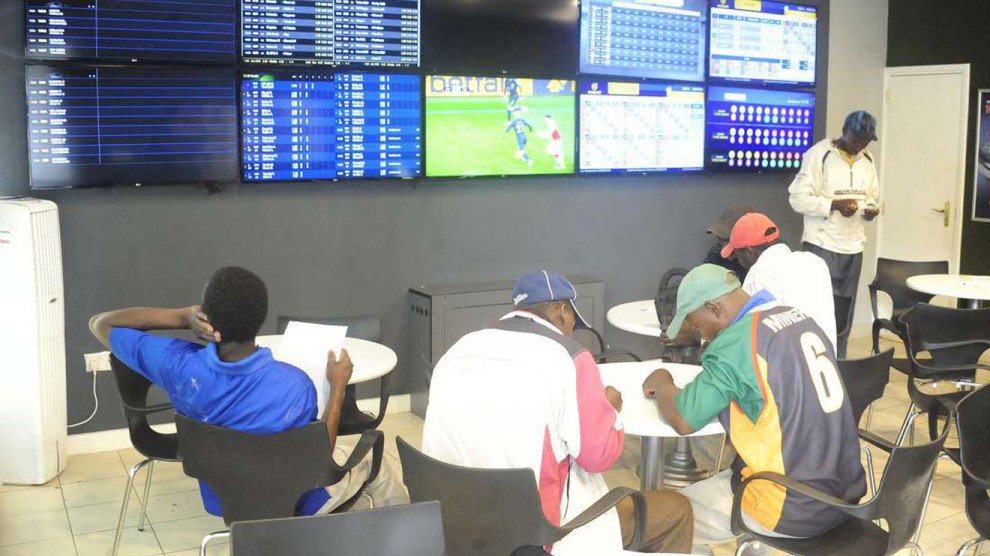 Image Source: Insportheme
South Africa’s National Treasury wants to slap a 20% national tax on online betting, a wake-up call as online betting morphs into a social headache for the country. The thing is, online betting companies already pay provincial gambling taxes, but Treasury now wants a national layer, collected by the South African Revenue Service (SARS).
What does this mean? Gamblers, betting companies, and onlookers should expect tighter compliance, greater reporting requirements, and higher operating costs in the betting sector. Platforms offering illegal interactive games, including online slots, roulette, and blackjack, could also be taxed despite those products being outlawed. The Treasury’s logic is that if it’s happening anyway, tax it and curb harm.
Has everyone suddenly had enough of online gambling? Three weeks ago, Kenya introduced the Gambling Control Act, 2025, which gives the newly created Gambling Regulatory Authority (GRA) the power to impose a built-in deduction on every wager. In October, South Africa ruled that online gambling, including games like roulette wheels, poker, and blackjack, is banned. Benin Republic has also begun to collect a 10% levy on the gross turnover of all land-based gambling activities and a 25% tax on online gambling winnings.
What is South Africa’s endgame? To slow down problem gambling, which, according to the Treasury, affects about a third of local punters. The country wants to make gambling less invisible and far less attractive to those already on the edge. Could this actually pull the brakes on online betting?
Enjoy smooth payments while you’re home this Detty December

Coming home for Detty December? Enjoy smooth payments every day with your Paga US account. Send money to any bank instantly. Don’t miss out, get started now.
telecom
Vodacom and Maziv finally green-light to seal their deal
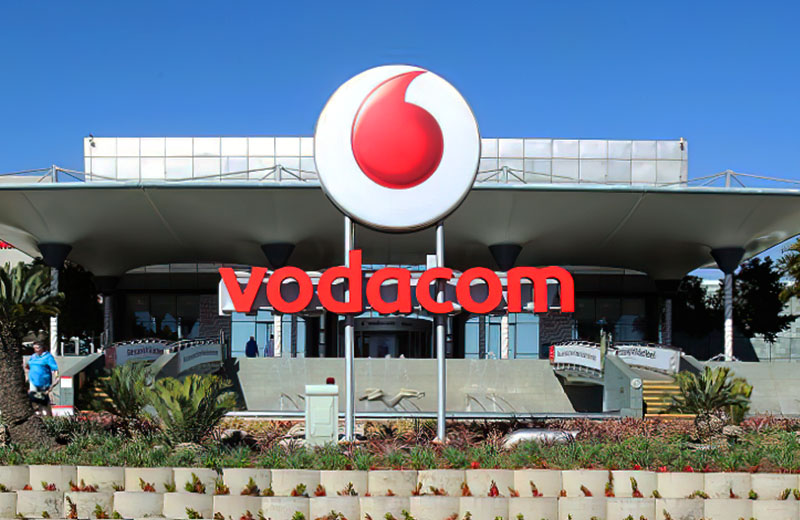 Image Source:Vodacom
Vodacom, South Africa’s second-largest mobile network operator, has finally crossed the regulatory finish line in its marathon bid to buy controlling shares in Maziv, a holding company whose assets include fibre network operators Dark Fibre Africa (DFA) and Vumatel, four years after the deal was first announced.
But why did it take four years? This deal collided with every possible hurdle that both parties couldn’t have foreseen. The Independent Communications Authority of South Africa (ICASA), the country’s telecoms regulator, initially approved the deal in 2022, saying it would be in the best interest of the public.
But a year later, the deal hit a roadblock when the Competition Commission, South Africa’s anti-trust regulator, advised against it, fearing that the merger would reduce competition and give Vodacom too much control over the fibre market. Vodacom was not too happy about that, and these doubts, along with the operators taking the deal to court, kept the deal in limbo for years.
Icasa has now granted the last approval the operator needed, clearing the way for Vodacom to take a 30% co-controlling stake in Maziv. The implementation kicks in on 1 December 2025.
Through the lens of the competitors: Vodacom now sits in both mobile and fibre infrastructure, a position that could put pressure on MTN and other rivals to deepen their own fibre bets or speed up fibre acquisitions. This means consolidation conversations will heat up, especially as the economics of data networks begin to favour bigger players.
Stay up to date with Paystack news!
Subscribe to Paystack for a curated dose of product updates, insights, event invites and more. Subscribe here
companies
Competition Tribunal clears Lesaka’s Bank Zero acquisition
 Image Source: Meme
South Africa’s Competition Tribunal has unconditionally approved Lesaka Technologies’R1.1 billion ($61 million) acquisition of Bank Zero, clearing one of the final hurdles for the dealfirst announced in June 2025. The transaction still needs approval from the Prudential Authority and Exchange Control before it can close.
Why it matters: Lesaka, a South African fintech, is evolving from a payments platform into a fully licensed digital bank. The deal gives it access to Bank Zero’s banking licence, modern tech infrastructure, and over R400 million ($22 million) in deposits from 40,000+ funded accounts. Bank Zero shareholders will own roughly 12% of Lesaka, plus up to R91 million ($5 million) in cash.
Between the lines: Bank Zero, co-founded by former First National Bank (FNB) CEO Michael Jordaan and launched in 2021, built its reputation on zero-fee, app-based banking with a patented fraud-resistant card. Jordaan and co-founder Yatin Narsai will remain as chairman and CEO, respectively, with Jordaan joining Lesaka’s board. The founding team stays on with shareholding lockups ranging from 18 to 36 months.
The big picture: Lesaka expects the integration to reduce its gross debt by over R1 billion ($56 million) and fund lending growth through customer deposits rather than expensive bank debt. For competitors like TymeBank, Discovery Bank, and regional challengers, the deal raises the stakes. Lesaka now has both fintech agility and a full bankin
AI in a Nutshell gives you weekly AI knowledge and insights

Want to stay close to AI but hate long reads? AI in a Nutshell gives you weekly AI knowledge, news, tools, and insights – short, smart, and fun. Perfect for curious (but lazy) readers who still want to stay ahead. Subscribe here.
CRYPTO TRACKER
The World Wide Web3
Source:

|
Coin Name |
Current Value |
Day |
Month |
|---|---|---|---|
| Bitcoin | $90,398 |
+ 3.18% |
– 20.79% |
| Ether | $3,027 |
+ 1.93% |
– 26.55% |
| XRP | $2.22 |
+ 0.97% |
– 15.75% |
| BNB | $892 |
+ 3.71% |
– 21.53% |
* Data as of 00.00 AM WAT, November 27, 2025.
Events
- The 7th edition of the Art of Technology Lagos (AOT Lagos) will take place on Thursday, December 4, 2025, at the Landmark Event Centre. Organised by Eko Innovation Centre in partnership with the Lagos State Ministry of Innovation, Science and Technology, this year’s conference will explore how future technologies can help build a more sustainable Lagos. The event will gather government leaders, investors, startups, and innovators to shape practical policies and solutions for the city’s growth. Highlights include keynote sessions, workshops, the AOT Ecosystem Awards, a Career Pavilion, and the Collaborate Lagos Pitch, where entrepreneurs present solutions to real urban challenges. Register to attend by December 4.
- Every startup has a story worth hearing. My Startup in 60 Seconds by TechCabal offers founders a one-minute spotlight to share their vision, challenges, and achievements. Beyond visibility, it connects you to investors, customers, and Africa’s tech ecosystem. Apply to be featured or explore other TechCabal advertorial opportunities. This is a paid opportunity.
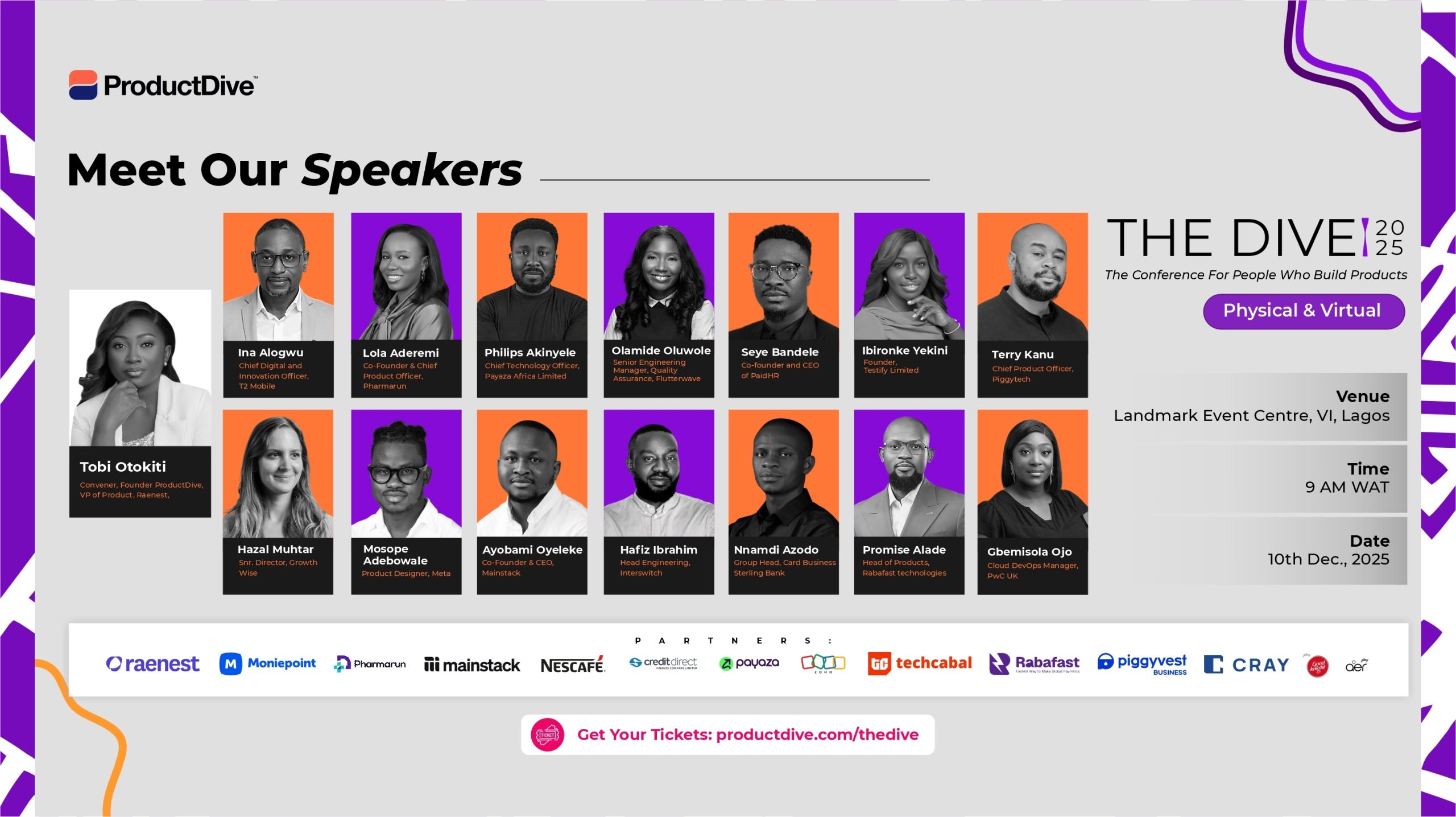
- ProductDive is set to host The DIVE 2025 Conference on December 10, 2025, at the Landmark Event Centre, VI, Lagos, with virtual access for participants across Africa. Under the theme “Winning with Product Teams for Profit,” the conference seeks to transform how tech teams think about value creation, collaboration, and execution.
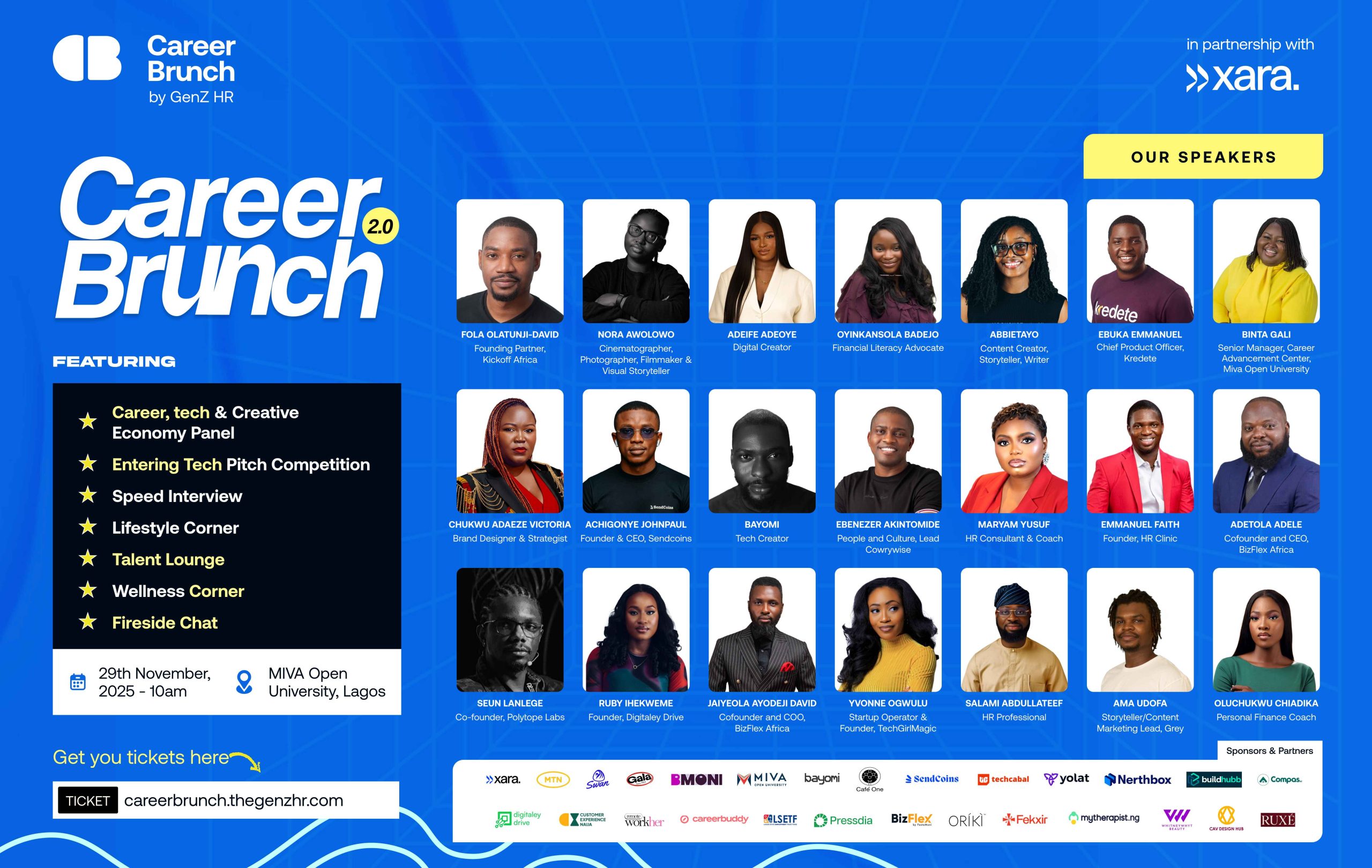
- Career Brunch by GenZ HR, in partnership with Xara, will take place on the 29th November 2025 at MIVA Open University, Lagos. Get your tickets to be part of the career, tech & creative economy panel, talent lounge, and lifestyle corner.
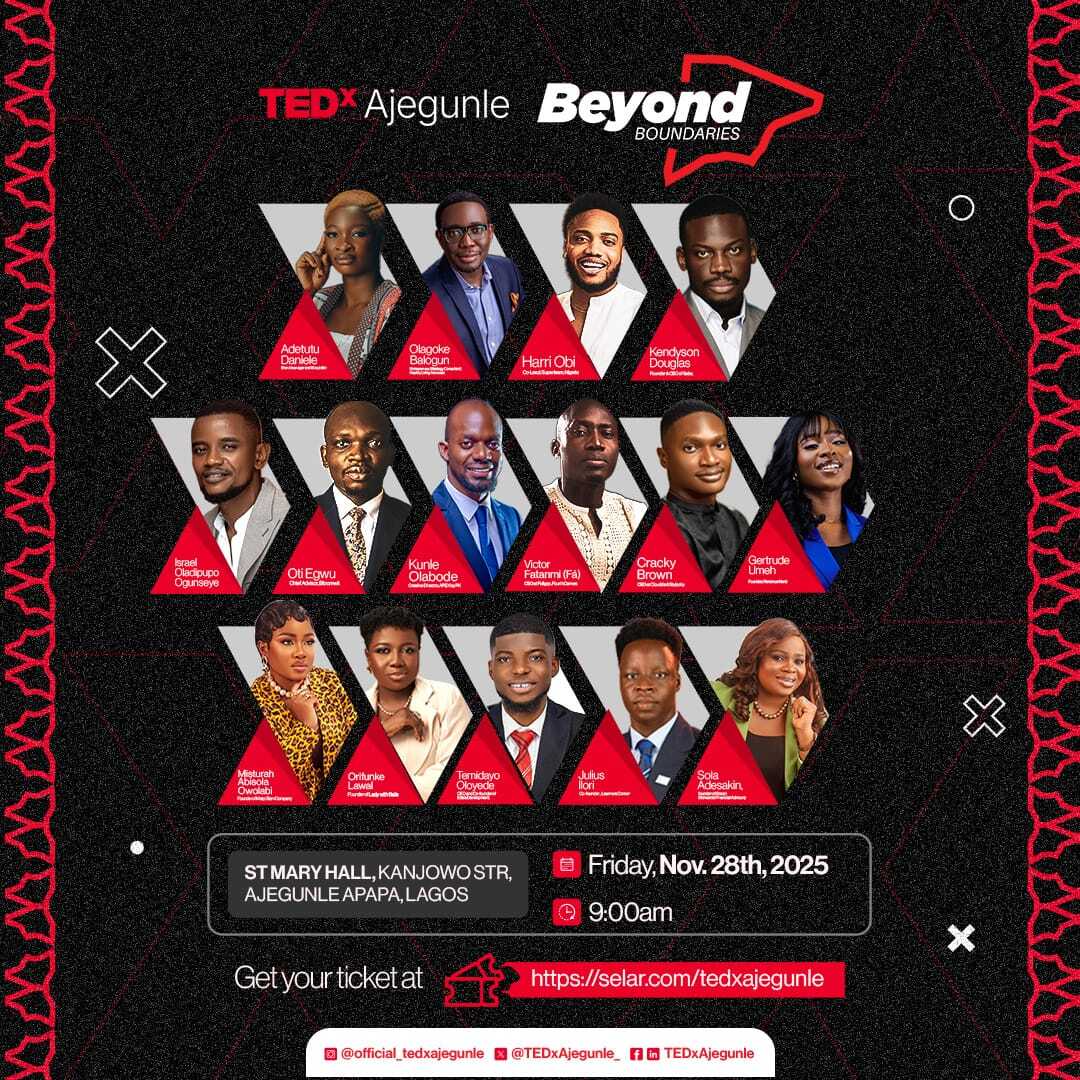
- TEDx Ajegunle, themed “Beyond Boundaries”, will hold on 28th November, 2025. Get your ticket.
- Afam Nwaoboli once directed music videos; now he wants to democratise AI for African creatives
- How two Nigerian graduates built a ₦2 billion trade machine
- AXIAN rebrands fintech arm in digital banking push across Africa
Written by: Opeyemi Kareem and Zia Yusuf
Edited by:Ganiu Oloruntade
Want more of TechCabal?
Sign up for our insightful newsletters on the business and economy of tech in Africa.
- The Next Wave: futuristic analysis of the business of tech in Africa.
- TC Scoops: breaking news from TechCabal
- Francophone Weekly by TechCabal: insider insights and analysis of Francophone’s tech ecosystem
P:S If you’re often missing TC Daily in your inbox, check your Promotions folder and move any edition of TC Daily from “Promotions” to your “Main” or “Primary” folder and TC Daily will always come to you.

You May Also Like

Republic Europe Launches SPV for Retail Investors in Kraken

Tokyo’s Metaplanet Launches Miami Subsidiary to Amplify Bitcoin Income