Australia’s Reserve Bank announced on Thursday the selection of 24 industry participants for the next phase of its wholesale central bank digital currency (CBDC) testing initiative. The six-month pilot will conduct 19 real-money transactions and five proof-of-concept simulations across multiple asset classes, including fixed income, private markets, trade receivables, and carbon credits. Settlement will occur through various digital assets, including stablecoins, bank deposit tokens, and pilot wholesale CBDCs deployed on platforms such as Hedera, Redbelly Network, R3 Corda, and Canvas Connect. The Australian Securities and Investments Commission has granted regulatory relief to facilitate the testing, and project findings are expected in the first quarter of 2026. Source: Bloomberg ASIC Enables Real-Money CBDC Testing Through Regulatory Relief The regulatory relief allows participants to conduct tokenized asset transactions using CBDCs between financial institutions without standard licensing requirements during the pilot period. ASIC Commissioner Kate O’Rourke noted that the relief instrument will enable wholesale market testing of technologies that could potentially boost efficiency and foster economic growth. Selected participants include major Australian banks such as Commonwealth Bank, ANZ, and Westpac, alongside specialized firms like Australian Bond Exchange, Fireblocks, and Zerocap. Brad Jones, Assistant Governor for Financial System at the RBA, emphasized the strategic importance of ensuring Australia’s monetary arrangements remain fit for purpose in the digital age. Jones described Project Acacia as “ an opportunity for further collaborative exploration on tokenized asset markets and the future of money by the public and private sectors in Australia, ” with use cases designed to help the RBA better understand innovations in both central bank and private digital money. Professor Talis Putnins from the Digital Finance Cooperative Research Centre also highlighted the potential economic impact. He referenced recent research suggesting potential economic gains in markets and cross-border payments could reach AU$19 billion annually. Australia Pursues Wholesale CBDC Strategy Amid Global Digital Currency Race Project Acacia builds on Australia’s September 2024 decision to prioritize wholesale CBDC development over retail applications due to greater economic benefits. The initiative aligns with global trends, as 134 countries representing 98% of the global economy are exploring CBDCs , according to research by the Atlantic Council. 🌍 The CBDC race is heating up. 134 countries are now exploring digital currencies, covering nearly the entire global economy, according to @AtlanticCouncil . https://t.co/dDzG7B7Zqb — Cryptonews.com (@cryptonews) September 17, 2024 The competitive pressure is particularly evident in the Asia-Pacific region, where China’s digital yuan transactions reached $986 billion by June 2024 across 17 regions and 44 countries currently running CBDC pilot programs of varying scales and ambitions. Cross-border wholesale CBDC projects have more than doubled globally, with initiatives like Project mBridge connecting financial institutions across multiple jurisdictions. Australia’s comprehensive digital asset framework encompasses tokenization, real-world assets, and CBDC integration within broader efforts to modernize the financial system. However, challenges remain complex, as David Lavecky, head of Canvas, previously told Cryptonews that the Reserve Bank of Australia’s approach to issuing eAUD is “multifaceted,” with several legal, regulatory, and operational hurdles still to overcome. 🇦🇺 Exclusive: Reserve Bank of Australia’s Approach Towards Issuing eAUD is “Multifaceted,” Says Canvas Head David Lavecky. Read the full story 👇 #CryptoNews #Australia https://t.co/QJ5GYbasjx — Cryptonews.com (@cryptonews) October 9, 2023 Organizers have described Project Acacia’s real-money settlement testing on third-party platforms as another world-first for Australia in the digital finance industry.Australia’s Reserve Bank announced on Thursday the selection of 24 industry participants for the next phase of its wholesale central bank digital currency (CBDC) testing initiative. The six-month pilot will conduct 19 real-money transactions and five proof-of-concept simulations across multiple asset classes, including fixed income, private markets, trade receivables, and carbon credits. Settlement will occur through various digital assets, including stablecoins, bank deposit tokens, and pilot wholesale CBDCs deployed on platforms such as Hedera, Redbelly Network, R3 Corda, and Canvas Connect. The Australian Securities and Investments Commission has granted regulatory relief to facilitate the testing, and project findings are expected in the first quarter of 2026. Source: Bloomberg ASIC Enables Real-Money CBDC Testing Through Regulatory Relief The regulatory relief allows participants to conduct tokenized asset transactions using CBDCs between financial institutions without standard licensing requirements during the pilot period. ASIC Commissioner Kate O’Rourke noted that the relief instrument will enable wholesale market testing of technologies that could potentially boost efficiency and foster economic growth. Selected participants include major Australian banks such as Commonwealth Bank, ANZ, and Westpac, alongside specialized firms like Australian Bond Exchange, Fireblocks, and Zerocap. Brad Jones, Assistant Governor for Financial System at the RBA, emphasized the strategic importance of ensuring Australia’s monetary arrangements remain fit for purpose in the digital age. Jones described Project Acacia as “ an opportunity for further collaborative exploration on tokenized asset markets and the future of money by the public and private sectors in Australia, ” with use cases designed to help the RBA better understand innovations in both central bank and private digital money. Professor Talis Putnins from the Digital Finance Cooperative Research Centre also highlighted the potential economic impact. He referenced recent research suggesting potential economic gains in markets and cross-border payments could reach AU$19 billion annually. Australia Pursues Wholesale CBDC Strategy Amid Global Digital Currency Race Project Acacia builds on Australia’s September 2024 decision to prioritize wholesale CBDC development over retail applications due to greater economic benefits. The initiative aligns with global trends, as 134 countries representing 98% of the global economy are exploring CBDCs , according to research by the Atlantic Council. 🌍 The CBDC race is heating up. 134 countries are now exploring digital currencies, covering nearly the entire global economy, according to @AtlanticCouncil . https://t.co/dDzG7B7Zqb — Cryptonews.com (@cryptonews) September 17, 2024 The competitive pressure is particularly evident in the Asia-Pacific region, where China’s digital yuan transactions reached $986 billion by June 2024 across 17 regions and 44 countries currently running CBDC pilot programs of varying scales and ambitions. Cross-border wholesale CBDC projects have more than doubled globally, with initiatives like Project mBridge connecting financial institutions across multiple jurisdictions. Australia’s comprehensive digital asset framework encompasses tokenization, real-world assets, and CBDC integration within broader efforts to modernize the financial system. However, challenges remain complex, as David Lavecky, head of Canvas, previously told Cryptonews that the Reserve Bank of Australia’s approach to issuing eAUD is “multifaceted,” with several legal, regulatory, and operational hurdles still to overcome. 🇦🇺 Exclusive: Reserve Bank of Australia’s Approach Towards Issuing eAUD is “Multifaceted,” Says Canvas Head David Lavecky. Read the full story 👇 #CryptoNews #Australia https://t.co/QJ5GYbasjx — Cryptonews.com (@cryptonews) October 9, 2023 Organizers have described Project Acacia’s real-money settlement testing on third-party platforms as another world-first for Australia in the digital finance industry.

Australia’s Central Bank Progresses Project Acacia Testing for CBDC Asset Settlement

3 min read

Australia’s Reserve Bank announced on Thursday the selection of 24 industry participants for the next phase of its wholesale central bank digital currency (CBDC) testing initiative.

The six-month pilot will conduct 19 real-money transactions and five proof-of-concept simulations across multiple asset classes, including fixed income, private markets, trade receivables, and carbon credits.

Settlement will occur through various digital assets, including stablecoins, bank deposit tokens, and pilot wholesale CBDCs deployed on platforms such as Hedera, Redbelly Network, R3 Corda, and Canvas Connect.

The Australian Securities and Investments Commission has granted regulatory relief to facilitate the testing, and project findings are expected in the first quarter of 2026.
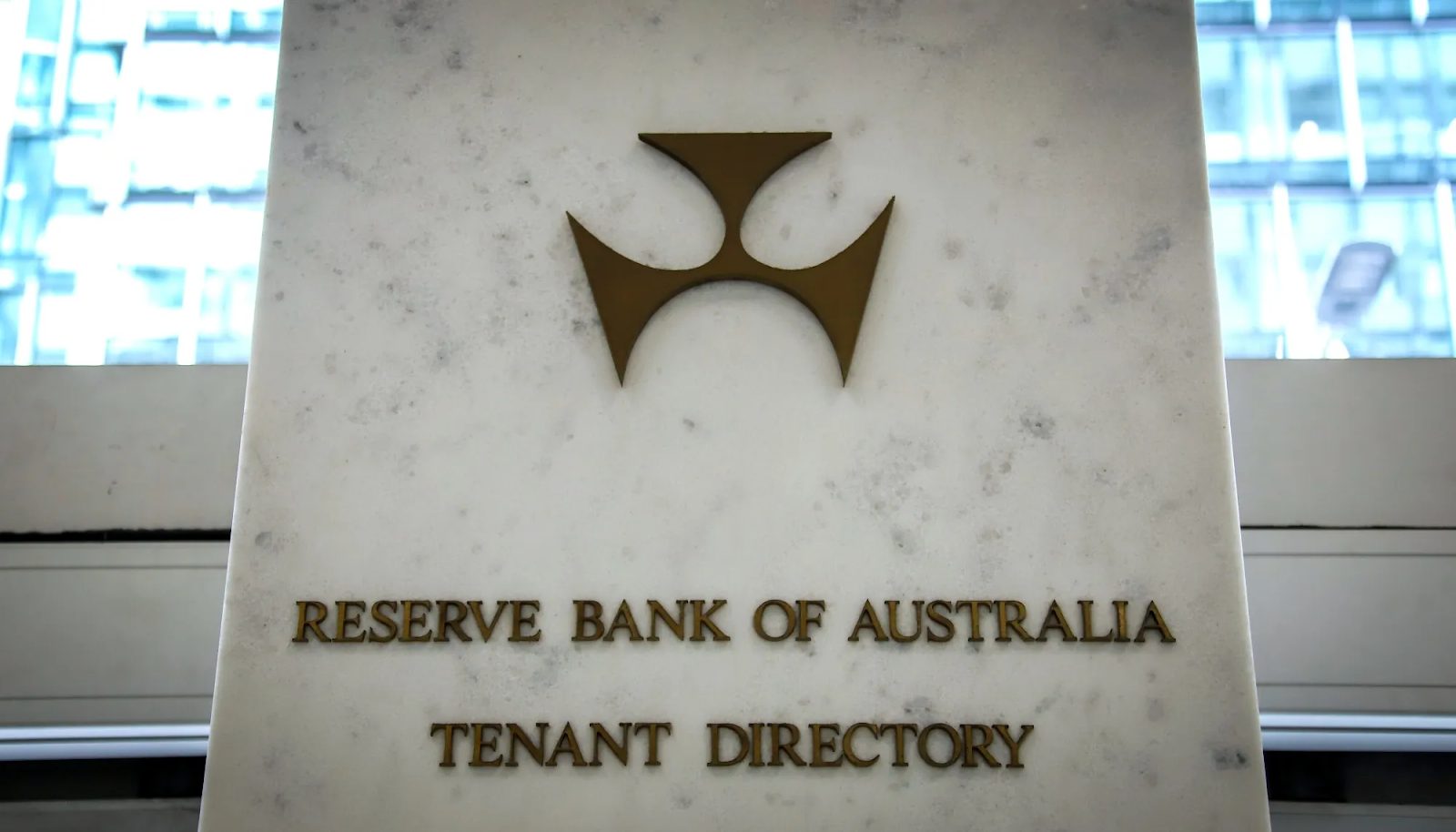
Australia's Central Bank Progresses Project Acacia Testing for CBDC Asset SettlementSource: Bloomberg

ASIC Enables Real-Money CBDC Testing Through Regulatory Relief

The regulatory relief allows participants to conduct tokenized asset transactions using CBDCs between financial institutions without standard licensing requirements during the pilot period.

ASIC Commissioner Kate O’Rourke noted that the relief instrument will enable wholesale market testing of technologies that could potentially boost efficiency and foster economic growth.

Selected participants include major Australian banks such as Commonwealth Bank, ANZ, and Westpac, alongside specialized firms like Australian Bond Exchange, Fireblocks, and Zerocap.

Brad Jones, Assistant Governor for Financial System at the RBA, emphasized the strategic importance of ensuring Australia’s monetary arrangements remain fit for purpose in the digital age.

Jones described Project Acacia as “an opportunity for further collaborative exploration on tokenized asset markets and the future of money by the public and private sectors in Australia,” with use cases designed to help the RBA better understand innovations in both central bank and private digital money.

Professor Talis Putnins from the Digital Finance Cooperative Research Centre also highlighted the potential economic impact.

He referenced recent research suggesting potential economic gains in markets and cross-border payments could reach AU$19 billion annually.

Australia Pursues Wholesale CBDC Strategy Amid Global Digital Currency Race

Project Acacia builds on Australia’s September 2024 decision to prioritize wholesale CBDC development over retail applications due to greater economic benefits.

The initiative aligns with global trends, as 134 countries representing 98% of the global economy are exploring CBDCs, according to research by the Atlantic Council.

The competitive pressure is particularly evident in the Asia-Pacific region, where China’s digital yuan transactions reached $986 billion by June 2024 across 17 regions and 44 countries currently running CBDC pilot programs of varying scales and ambitions.

Cross-border wholesale CBDC projects have more than doubled globally, with initiatives like Project mBridge connecting financial institutions across multiple jurisdictions.

Australia’s comprehensive digital asset framework encompasses tokenization, real-world assets, and CBDC integration within broader efforts to modernize the financial system.

However, challenges remain complex, as David Lavecky, head of Canvas, previously told Cryptonews that the Reserve Bank of Australia’s approach to issuing eAUD is “multifaceted,” with several legal, regulatory, and operational hurdles still to overcome.

Organizers have described Project Acacia’s real-money settlement testing on third-party platforms as another world-first for Australia in the digital finance industry.

Disclaimer: The articles reposted on this site are sourced from public platforms and are provided for informational purposes only. They do not necessarily reflect the views of MEXC. All rights remain with the original authors. If you believe any content infringes on third-party rights, please contact [email protected] for removal. MEXC makes no guarantees regarding the accuracy, completeness, or timeliness of the content and is not responsible for any actions taken based on the information provided. The content does not constitute financial, legal, or other professional advice, nor should it be considered a recommendation or endorsement by MEXC.

You May Also Like

MoneyGram Taps Stablecoins To Shield Colombians From Peso Weakness

MoneyGram Taps Stablecoins To Shield Colombians From Peso Weakness

According to multiple reports, MoneyGram is rolling out a new mobile app in Colombia that lets users receive, hold and move money using USD-backed stablecoins, specifically USDC. Related Reading: Ethereum Giant The Ether Machine Aims For US Public Debut The service is being positioned as a hybrid: a stored-value USD balance that can be funded, […]
Share
Bitcoinist2025/09/18 20:30
BDACS Launches KRW1 Stablecoin Backed by the Won

BDACS Launches KRW1 Stablecoin Backed by the Won

The post BDACS Launches KRW1 Stablecoin Backed by the Won appeared on BitcoinEthereumNews.com. BDACS Launches KRW1 Stablecoin Backed by South Korean Won Custody service provider BDACS has launched KRW1, a new stablecoin pegged 1:1 to the South Korean won (KRW). The regulated custodian focuses on institutional clients and offers services including crypto asset custody and transaction infrastructure supporting multiple blockchains. The KRW1 project recently completed its proof-of-concept (PoC) phase, with the stablecoin launching on the Avalanche blockchain. Each KRW1 token is fully backed by fiat currency, with reserves held at Woori Bank, one of South Korea’s largest financial institutions. Transparency and Platform Features BDACS emphasizes full transparency: holders can monitor reserves in real time via banking API integration, although no dedicated portal is currently available. According to the press release, “The KRW1 launch goes far beyond token issuance. BDACS has developed a comprehensive platform, including issuance and governance systems, as well as a user application supporting peer-to-peer transfers and transaction verification.” The stablecoin is positioned for global use, with potential expansion through new network integrations and collaborations with dollar-pegged stablecoins like USDC and USDT. BDACS also plans to integrate KRW1 into government initiatives, though negotiations or official involvement have not been confirmed. Current Status and Market Outlook KRW1 remains in the concept stage and is not yet publicly traded or available to retail consumers, as South Korea currently lacks a stablecoin framework. However, the launch is reportedly supported by the country’s new president, Lee Je-moon. In related news, Kakao is also reportedly considering a won-pegged stablecoin, highlighting growing interest in this emerging asset class. Source: https://coinpaper.com/11089/bdacs-launches-krw-1-stablecoin-backed-by-the-won
Share
BitcoinEthereumNews2025/09/18 21:28
Exclusive interview with Smokey The Bera, co-founder of Berachain: How the innovative PoL public chain solves the liquidity problem and may be launched in a few months

Exclusive interview with Smokey The Bera, co-founder of Berachain: How the innovative PoL public chain solves the liquidity problem and may be launched in a few months

Recently, PANews interviewed Smokey The Bera, co-founder of Berachain, to unravel the background of the establishment of this anonymous project, Berachain's PoL mechanism, the latest developments, and answered widely concerned topics such as airdrop expectations and new opportunities in the DeFi field.
Share
PANews2024/07/03 13:00