The post COIN Stock Eyes $300 as Coinbase CEO Rejects Flawed Crypto Bill appeared on BitcoinEthereumNews.com. COIN stock gained attention after analyst Paper BozzThe post COIN Stock Eyes $300 as Coinbase CEO Rejects Flawed Crypto Bill appeared on BitcoinEthereumNews.com. COIN stock gained attention after analyst Paper Bozz

COIN Stock Eyes $300 as Coinbase CEO Rejects Flawed Crypto Bill

COIN stock gained attention after analyst Paper Bozz posted a bullish technical view on X. The setup appeared as Coinbase CEO Brian Armstrong rejected a Senate Banking draft crypto market structure bill, calling key parts of it flawed. The combination pulled both traders and policy watchers back to the stock.

COIN Stock Outlook Firms as Senate Crypto Bill Is Delayed

In an X post, analyst noted that COIN stock is forming bullish divergence on MACD and RSI. The analyst presented it as a brewing momentum shift despite the continued pressure on price. The post also cited a secondary trendline that points to a potential bounce if buyers come in.

The weekly stochastic indicator is in oversold territory and crossed to the upside, the analyst said. That change typically signals that sellers are losing control of the market, but it is not a confirmation of a reversal by itself.

Paper Bozz also raised a descending broadening wedge pattern on the chart. If that wedge breaks higher, the analyst said COIN stock could make a move to the $292 to $300 region.

Source: X

Regulatory headlines added another layer to the story. As CoinGape reported, CLARITY act Stalls as senate postpones markup following Coinbase backlash. That pushes the timeline back to at least February, after getting pushback from some parts of the crypto industry. 

Coinbase CEO Armstrong Rejects Senate Crypto Draft

In an interview, Armstrong said that Coinbase is not in a position to give its support to the Senate Banking draft in its current form because it has many flaws. He mentioned that the company took the text into account about 48 hours after it was noticed. 

Armstrong’s criticism shows why Coinbase and other crypto companies are not backing the crypto market structure bill. The first of his main criticisms were stablecoin rewards. Rewards are important to Coinbase since they allow customers to earn more and save more than when they have traditional savings accounts.

Armstrong said that crypto firms should not be restricted to offer products that the banks are already offering at interest. According to him, the wording of the bill would limit any competition and bias outcomes in favor of large, conventional financial institutions.

He also sounded the alarm about the regulatory framework. He said the draft seems to send crypto assets through the SEC before they would land at the CFTC, but that it is a role diminished by design. 

The fractional reserve lending by banks makes them more to be controlled, Armstrong stated. The model can trigger bank-run risk, which is why banks face strict oversight. He contrasted this with GENIUS stablecoins fully backed by short-term U.S. Treasuries.

As CoinGape reported ealier, Armstrong countered with an X post targeting journalist Eleanor Terrett, whom he claimed was not correct. Terrett had already reported that the White House threatened to drop support of the Clarity Act bill.

In a statement, Terrett defended her reporting as “airtight and accurate.” The core of her report remains the same, she said, in that the White House requested Coinbase secure a stablecoin yield deal. White House backing now seems linked to that result, Terrett said.

Source: https://coingape.com/coin-stock-eyes-300-as-coinbase-ceo-crypto-bill/
Market Opportunity
Notcoin Logo
Notcoin Price(NOT)
$0.0003862
$0.0003862$0.0003862
+0.88%
USD
Notcoin (NOT) Live Price Chart
Disclaimer: The articles reposted on this site are sourced from public platforms and are provided for informational purposes only. They do not necessarily reflect the views of MEXC. All rights remain with the original authors. If you believe any content infringes on third-party rights, please contact [email protected] for removal. MEXC makes no guarantees regarding the accuracy, completeness, or timeliness of the content and is not responsible for any actions taken based on the information provided. The content does not constitute financial, legal, or other professional advice, nor should it be considered a recommendation or endorsement by MEXC.

You May Also Like

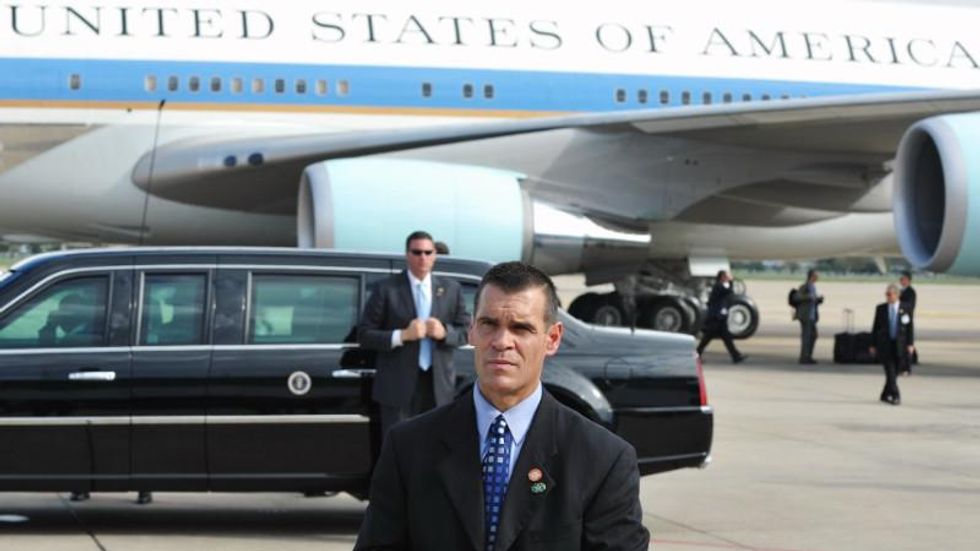
Secret Service’s ‘odd’ new suit policy raises eyebrows

Secret Service’s ‘odd’ new suit policy raises eyebrows

New Secret Service agents assigned to protective details are set to receive a taxpayer-funded wardrobe upgrade, according to a new CNN exclusive report.The Secret
Share
Rawstory2026/02/21 08:04
The Shift to Fractional Leadership: Agility in the 2026 Executive Suite

The Shift to Fractional Leadership: Agility in the 2026 Executive Suite

The traditional model of a permanent, full-time executive suite is undergoing a radical transformation. As we move through 2026, the concept of “Fractional Leadership
Share
Techbullion2026/02/21 08:20
OFAC Designates Two Iranian Finance Facilitators For Crypto Shadow Banking

OFAC Designates Two Iranian Finance Facilitators For Crypto Shadow Banking

The Department of the Treasury’s Office of Foreign Assets Control (OFAC) sanctioned two Iranian financial facilitators for coordinating over $100 million worth of cryptocurrency in oil sales for the Iranian government, a September 16 press release shows. OFAC Sanctions Iranian Nationals According to the Tuesday press release, Iranian nationals Alireza Derakhshan and Arash Estaki Alivand “used a network of front companies in multiple foreign jurisdictions” to transfer the digital assets. OFAC alleges that Alivand and Derakhshan’s transfers also involved the sale of Iranian oil that benefited Iran’s Islamic Revolutionary Guard Corps-Qods Force (IRGC-QF) and the Ministry of Defense and Armed Forces Logistics (MODAFL). IRGC-QF and MODAFL then used the proceeds to support regional proxy terrorist organizations and strengthen their advanced weapons systems, including ballistic missiles. U.S. officials say the move targets shadow banking in the region, where illicit financial actors use overseas money laundering and digital assets to evade sanctions. “Iranian entities rely on shadow banking networks to evade sanctions and move millions through the international financial system,” said Under Secretary of the Treasury for Terrorism and Financial Intelligence John K. Hurley. “Under President Trump’s leadership, we will continue to disrupt these key financial streams that fund Iran’s weapons programs and malign activities in the Middle East and beyond,” he continued. Dozens Designated In Shadow Banking Scandal Both Alivand and Derakhshan have been designated “for having materially assisted, sponsored, or provided financial, material, or technological support for, or goods or services to or in support of the IRGC-QF.” In addition to Alivand and Derakhshan, OFAC has sanctioned more than a dozen Hong Kong and United Arab Emirates-based entities and individuals tied to the network. According to the press release, the sanctioned entities may face civil or criminal penalties imposed as a result
Share
CryptoNews2025/09/18 11:18