

Polkadot’s Gavin Wood lays out launch plan for Proof of Personhood debut

Polkadot’s founder Gavin Wood details his implementation plan for the protocol’s decentralized human verification which will aim to solve identity verification challenges in the age of AI.
At the Web3 Summit 2025 in Berlin on July 17, Wood discussed the concept of Proof of Personhood and how the protocol will go about launching it to the public. Proof of Personhood or PoP is a personalized solution that serves to enable decentralized human verification on-chain.
The solution will launch through Polkadot’s own Individuality system, with DIM1 or Proof of Individuality and DIM2 or Proof of Verified Individuality. Although Wood has not revealed an exact launch date for the identity concept, he did claim that PoP’s launch will be backed by a treasury proposal worth $3 million.
In addition, Polkadot’s PoP will debut alongside what he deemed to be “the fairest airdrop ever.”
During his closing keynote speech on the first day of Web3 Summit, Wood expressed his desire to use Proof of Personhood to solve identity challenges that come with being on-chain, especially during an age when artificial intelligence has seen massive developments; to the point where it has become increasingly difficult to differentiate between AI-operated accounts and human-run accounts.
Wood explained that Polkadot’s PoP is a foundational web3 primitive which will enhance sybil resistance and reduce network security costs across the network. The initiative addresses the growing vulnerability of traditional identity systems, such as CAPTCHAs, SMS, and KYC, in an era of AI-generated replication.
Trust and decentralized identity in an AI-laden world
During the Web3 Summit panel simply dubbed “Trust,” Inventor and Financial Cryptographer at Ricardian Contracts Ian Grigg explained how trust is requires more than just technological reassurance.
Grigg believes that trust cannot be fully replicated by technology. This is because it is inherently human at its core, as it involves emotion, uncertainty, and context in order to fully be implemented.
Meanwhile, machines are not capable of feeling these emotions linked to human trust. Grigg argued that artificial intelligence should not be created to have such capabilities, simply because “automating trust” through machines creates fragile, insecure systems.
In addition, Grigg emphasized that trust and identity are interlinked with one another: in order to trust, one must understand exactly who or what is being trusted, grounded in human insight, not just protocol or code.
You May Also Like

XRP Enters ‘Washout Zone,’ Then Targets $30, Crypto Analyst Says
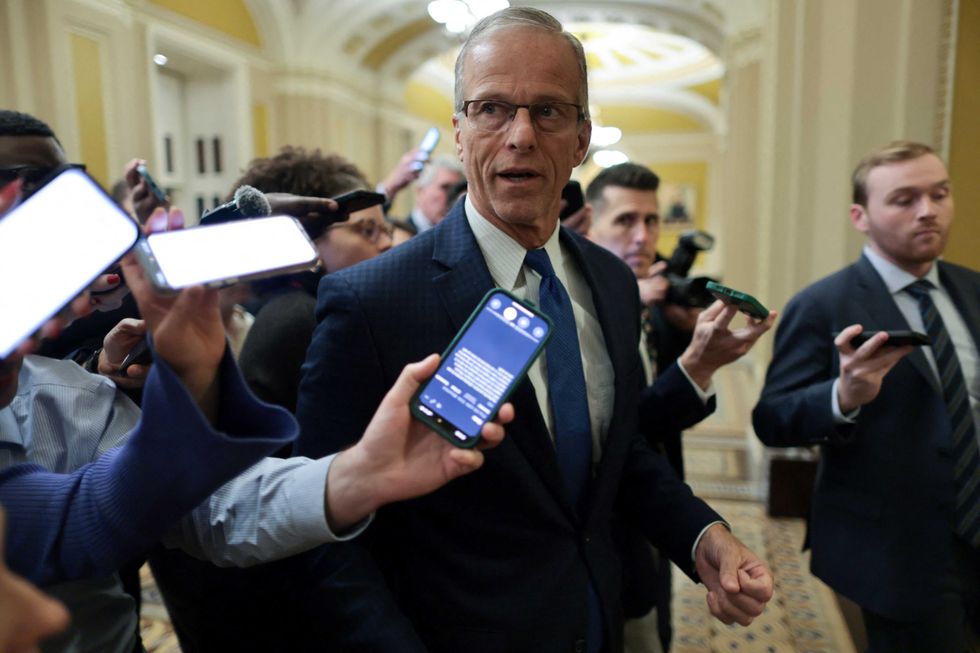
Republicans are 'very concerned about Texas' turning blue: GOP senator
Wormhole token soars following tokenomics overhaul, W reserve launch
Wormhole’s native token has had a tough time since launch, debuting at $1.66 before dropping significantly despite the general crypto market’s bull cycle. Wormhole, an interoperability protocol facilitating asset transfers between blockchains, announced updated tokenomics to its native Wormhole (W) token, including a token reserve and more yield for stakers. The changes could affect the protocol’s governance, as staked Wormhole tokens allocate voting power to delegates.According to a Wednesday announcement, three main changes are coming to the Wormhole token: a W reserve funded with protocol fees and revenue, a 4% base yield for staking with higher rewards for active ecosystem participants, and a change from bulk unlocks to biweekly unlocks.“The goal of Wormhole Contributors is to significantly expand the asset transfer and messaging volume that Wormhole facilitates over the next 1-2 years,” the protocol said. According to Wormhole, more tokens will be locked as adoption takes place and revenue filters back to the company.Read more