Officials say stablecoin rules give issuers authority without forcing them to return stolen funds to victims. New York prosecutors argue the GENIUS Act fails toOfficials say stablecoin rules give issuers authority without forcing them to return stolen funds to victims. New York prosecutors argue the GENIUS Act fails to

Stablecoin Law Sparks Backlash as NY AG Warns of Weak Fraud Protections

3 min read

Officials say stablecoin rules give issuers authority without forcing them to return stolen funds to victims.

New York prosecutors argue the GENIUS Act fails to protect victims of crypto fraud. In a letter to lawmakers, they warn the bill grants stablecoin issuers legal approval without requiring them to return stolen funds. Officials are also concerned about how issuers freeze assets, work with law enforcement, and manage customer reserves.

Law Enforcement Raises Red Flags Over Recovery of Stolen Stablecoins

New York Attorney General Letitia James and four district attorneys have raised alarms over the Guiding and Establishing National Innovation for U.S. Stablecoins Act. In a letter sent to senior Democratic lawmakers, prosecutors argue the law fails to require issuers to return stolen assets to victims.

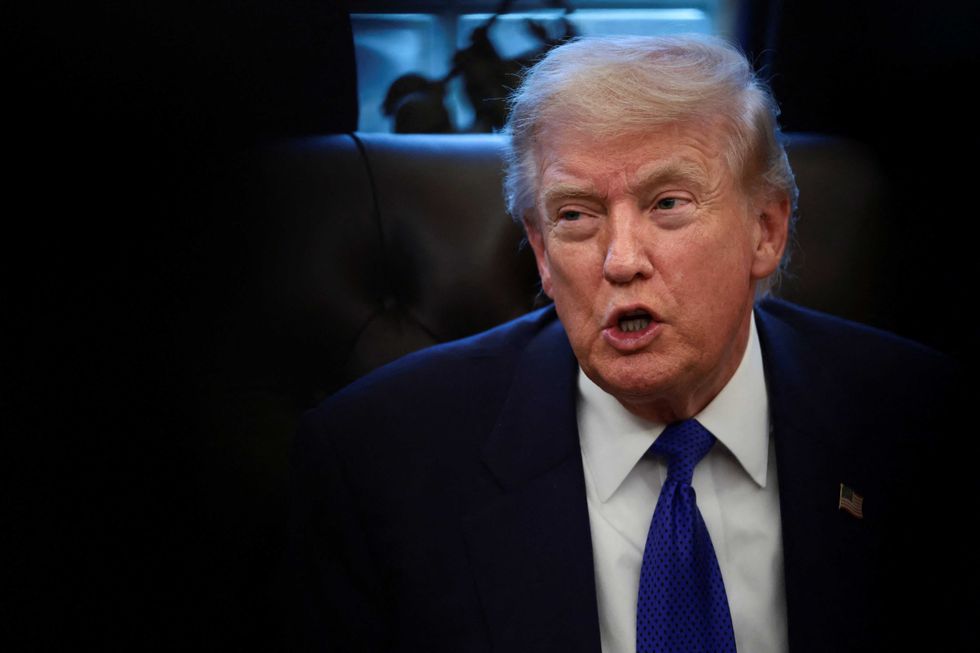
Signed into law last year by President Donald Trump, the GENIUS Act sets national standards for stablecoins. Rules require full backing by U.S. dollars or similar liquid assets.

Annual audits apply to issuers with market values above $50 billion. Provisions also cover foreign issuance and basic compliance steps. Prosecutors say those measures do not address fraud recovery, a growing problem in crypto markets.

According to the letter, criminals prefer fiat-pegged assets because they move easily across borders and keep a steady value. A Chainalysis report estimates that most illegal crypto activity in 2025 involved these tokens.

Moreover, authorities argue that current rules do little to help after funds are stolen. Victims often face long delays or dead ends when seeking recovery.

Prosecutors Question Tether and Circle Policies on Stolen Crypto Funds

In the letter, Tether and Circle receive special scrutiny as both firms hold reserves in cash or cash-like assets. Prosecutors say that structure allows issuers to profit even when customer funds are frozen. Tether has, in some cases, frozen stolen funds, but the letter states that no legal duty compels it to do so.

Law enforcement officials warn that Tether decides whether to help on a case-by-case basis. Nothing in the law requires reissuance or repayment to victims. As a result, funds converted into USDT may never be returned.

Furthermore, Tether has stated that it takes fraud and misuse seriously and maintains a zero-tolerance policy on illicit activity.

On the other hand, authorities say Circle deserves more criticism because it does less to help fraud victims. They added that the New York-based issuer presents itself as a partner against financial crime, yet offers weaker protections for victims.

Even when Circle freezes funds, officials claim the company often keeps them instead of returning assets to victims. Interest earned on underlying reserves remains with the firm.

Circle also requires a signed court order or warrant before freezing funds. Given the speed of crypto transactions, officials say stolen assets are often moved or converted before orders are secured.

Dante Disparte, chief strategy officer of Circle, responded by pointing to support for U.S. and global stablecoin rules. He said Circle focuses on compliance and lawful processes. 

Prosecutors counter that lawful processes alone are insufficient when fraud moves faster than the courts.

The post Stablecoin Law Sparks Backlash as NY AG Warns of Weak Fraud Protections appeared first on Live Bitcoin News.

Disclaimer: The articles reposted on this site are sourced from public platforms and are provided for informational purposes only. They do not necessarily reflect the views of MEXC. All rights remain with the original authors. If you believe any content infringes on third-party rights, please contact [email protected] for removal. MEXC makes no guarantees regarding the accuracy, completeness, or timeliness of the content and is not responsible for any actions taken based on the information provided. The content does not constitute financial, legal, or other professional advice, nor should it be considered a recommendation or endorsement by MEXC.

You May Also Like

FCA komt in 2026 met aangepaste cryptoregels voor Britse markt

FCA komt in 2026 met aangepaste cryptoregels voor Britse markt

De Britse financiële waakhond, de FCA, komt in 2026 met nieuwe regels speciaal voor crypto bedrijven. Wat direct opvalt: de toezichthouder laat enkele klassieke financiële verplichtingen los om beter aan te sluiten op de snelle en grillige wereld van digitale activa. Tegelijkertijd wordt er extra nadruk gelegd op digitale beveiliging,... Het bericht FCA komt in 2026 met aangepaste cryptoregels voor Britse markt verscheen het eerst op Blockchain Stories.
Share
Coinstats2025/09/18 00:33
Cashing In On University Patents Means Giving Up On Our Innovation Future
Cashing In On University Patents Means Giving Up On Our Innovation Future

The post Cashing In On University Patents Means Giving Up On Our Innovation Future appeared on BitcoinEthereumNews.com. “It’s a raid on American innovation that would deliver pennies to the Treasury while kneecapping the very engine of our economic and medical progress,” writes Pipes. Getty Images Washington is addicted to taxing success. Now, Commerce Secretary Howard Lutnick is floating a plan to skim half the patent earnings from inventions developed at universities with federal funding. It’s being sold as a way to shore up programs like Social Security. In reality, it’s a raid on American innovation that would deliver pennies to the Treasury while kneecapping the very engine of our economic and medical progress. Yes, taxpayer dollars support early-stage research. But the real payoff comes later—in the jobs created, cures discovered, and industries launched when universities and private industry turn those discoveries into real products. By comparison, the sums at stake in patent licensing are trivial. Universities collectively earn only about $3.6 billion annually in patent income—less than the federal government spends on Social Security in a single day. Even confiscating half would barely register against a $6 trillion federal budget. And yet the damage from such a policy would be anything but trivial. The true return on taxpayer investment isn’t in licensing checks sent to Washington, but in the downstream economic activity that federally supported research unleashes. Thanks to the bipartisan Bayh-Dole Act of 1980, universities and private industry have powerful incentives to translate early-stage discoveries into real-world products. Before Bayh-Dole, the government hoarded patents from federally funded research, and fewer than 5% were ever licensed. Once universities could own and license their own inventions, innovation exploded. The result has been one of the best returns on investment in government history. Since 1996, university research has added nearly $2 trillion to U.S. industrial output, supported 6.5 million jobs, and launched more than 19,000 startups. Those companies pay…
Share
BitcoinEthereumNews2025/09/18 03:26
Trump foe devises plan to starve him of what he 'craves' most

Trump foe devises plan to starve him of what he 'craves' most

A longtime adversary of President Donald Trump has a plan for a key group to take away what Trump craves the most — attention. EX-CNN journalist Jim Acosta, who
Share
Rawstory2026/02/04 01:19