BitcoinWorld Massive Crypto Liquidations: $152M Wiped Out in 24 Hours, MYX Leads the Plunge The cryptocurrency market, known for its dynamic swings, recently witnessed a staggering event: over $152 million in crypto liquidations within just 24 hours. This sudden market movement has left many traders reeling and highlights the inherent volatility of digital asset trading. Understanding what drives these significant events is crucial for anyone involved in the crypto space. What Are Crypto Liquidations, and Why Do They Matter? At its core, a liquidation in the crypto world occurs when an exchange forcefully closes a trader’s leveraged position due to a sudden and substantial price movement against their trade. Traders use leverage to amplify their potential gains, but it also magnifies their risks. If the market moves unfavorably, the exchange closes the position to prevent the trader’s balance from falling below zero, effectively wiping out their collateral. These forced closures, or crypto liquidations, are a common feature of perpetual futures markets. They act as a critical mechanism to maintain market stability and prevent excessive risk-taking. However, when they happen on a large scale, they can create a cascading effect, pushing prices further in the direction of the initial move and trapping more traders. Who Led the Recent Wave of Crypto Liquidations? The latest data reveals a clear picture of the assets most affected by this dramatic market event. Here’s a breakdown of the largest perpetual futures liquidations by volume over the past 24 hours: MYX: $64.23 million – A significant portion, 82.38%, of these were short positions. This indicates that traders betting on a price decline for MYX were caught off guard by an unexpected upward movement or sideways consolidation. ETH: $48.97 million – Here, long positions accounted for 53.97%. This suggests that traders expecting Ethereum’s price to rise faced unexpected selling pressure, leading to their positions being closed out. BTC: $39.52 million – Bitcoin, the market leader, saw 56.2% of its liquidations come from short positions. Similar to MYX, this points to a squeeze on traders who were bearish on BTC’s immediate future. The dominance of MYX in these crypto liquidations is particularly noteworthy, signaling a specific event or trend impacting this particular asset that triggered a widespread unwinding of leveraged bets. Understanding Long vs. Short Liquidations: What Does It Mean? When we talk about long or short liquidations, we are referring to the direction of the trade that was closed. A ‘long’ position is a bet that an asset’s price will increase, while a ‘short’ position is a bet that its price will decrease. Therefore: Short liquidations occur when the price of an asset unexpectedly rises, forcing those who bet on a fall to close their positions. Long liquidations happen when the price of an asset unexpectedly drops, forcing those who bet on a rise to close their positions. The recent figures demonstrate a mixed bag, with MYX and BTC experiencing more short liquidations, while ETH saw more long liquidations. This diverse impact underscores the unpredictable nature of the market and the different pressures affecting various assets simultaneously. How Can Traders Navigate Volatile Periods and Avoid Crypto Liquidations? Navigating periods of high volatility requires a strategic approach. Here are some actionable insights to help mitigate the risk of forced crypto liquidations: Manage Leverage Wisely: While leverage can amplify gains, it dramatically increases risk. Use it cautiously and understand the liquidation price of your positions. Set Stop-Loss Orders: These orders automatically close your position if the price hits a predetermined level, limiting potential losses before a full liquidation occurs. Diversify Your Portfolio: Spreading investments across different assets can help reduce exposure to single-asset volatility. Stay Informed: Keep abreast of market news, economic indicators, and technical analysis to make more informed trading decisions. Ultimately, understanding the mechanisms behind crypto liquidations and implementing robust risk management strategies are paramount for long-term success in the crypto futures market. In conclusion, the recent $152 million in crypto liquidations serves as a potent reminder of the inherent risks and rewards in cryptocurrency trading. While such events can be daunting, they also offer valuable lessons in market dynamics and risk management. By staying informed and adopting disciplined trading practices, participants can better navigate these turbulent waters and potentially turn volatility into opportunity. Frequently Asked Questions (FAQs) What is a crypto liquidation? A crypto liquidation is the forced closure of a trader’s leveraged position by an exchange when the market moves against their trade, causing their margin balance to fall below a required threshold. Why did MYX have the highest crypto liquidations? MYX experienced the highest liquidations, predominantly from short positions, suggesting a significant price surge or an unexpected market move that caught bearish traders off guard. How do long and short liquidations differ? Long liquidations occur when the price drops, closing positions that bet on a rise. Short liquidations happen when the price rises, closing positions that bet on a fall. Can I prevent my crypto positions from being liquidated? While you cannot entirely prevent liquidations in extreme market conditions, you can mitigate the risk by using lower leverage, setting stop-loss orders, and maintaining sufficient margin in your account. What is the impact of large-scale crypto liquidations on the market? Large-scale liquidations can create a cascade effect, pushing prices further in the direction of the initial move, increasing volatility, and potentially leading to further liquidations across the market. Did you find this article insightful? Share it with your friends and fellow crypto enthusiasts on social media to help them understand the complexities of market liquidations and how to navigate them effectively! To learn more about the latest crypto market trends, explore our article on key developments shaping Bitcoin price action. This post Massive Crypto Liquidations: $152M Wiped Out in 24 Hours, MYX Leads the Plunge first appeared on BitcoinWorld and is written by Editorial TeamBitcoinWorld Massive Crypto Liquidations: $152M Wiped Out in 24 Hours, MYX Leads the Plunge The cryptocurrency market, known for its dynamic swings, recently witnessed a staggering event: over $152 million in crypto liquidations within just 24 hours. This sudden market movement has left many traders reeling and highlights the inherent volatility of digital asset trading. Understanding what drives these significant events is crucial for anyone involved in the crypto space. What Are Crypto Liquidations, and Why Do They Matter? At its core, a liquidation in the crypto world occurs when an exchange forcefully closes a trader’s leveraged position due to a sudden and substantial price movement against their trade. Traders use leverage to amplify their potential gains, but it also magnifies their risks. If the market moves unfavorably, the exchange closes the position to prevent the trader’s balance from falling below zero, effectively wiping out their collateral. These forced closures, or crypto liquidations, are a common feature of perpetual futures markets. They act as a critical mechanism to maintain market stability and prevent excessive risk-taking. However, when they happen on a large scale, they can create a cascading effect, pushing prices further in the direction of the initial move and trapping more traders. Who Led the Recent Wave of Crypto Liquidations? The latest data reveals a clear picture of the assets most affected by this dramatic market event. Here’s a breakdown of the largest perpetual futures liquidations by volume over the past 24 hours: MYX: $64.23 million – A significant portion, 82.38%, of these were short positions. This indicates that traders betting on a price decline for MYX were caught off guard by an unexpected upward movement or sideways consolidation. ETH: $48.97 million – Here, long positions accounted for 53.97%. This suggests that traders expecting Ethereum’s price to rise faced unexpected selling pressure, leading to their positions being closed out. BTC: $39.52 million – Bitcoin, the market leader, saw 56.2% of its liquidations come from short positions. Similar to MYX, this points to a squeeze on traders who were bearish on BTC’s immediate future. The dominance of MYX in these crypto liquidations is particularly noteworthy, signaling a specific event or trend impacting this particular asset that triggered a widespread unwinding of leveraged bets. Understanding Long vs. Short Liquidations: What Does It Mean? When we talk about long or short liquidations, we are referring to the direction of the trade that was closed. A ‘long’ position is a bet that an asset’s price will increase, while a ‘short’ position is a bet that its price will decrease. Therefore: Short liquidations occur when the price of an asset unexpectedly rises, forcing those who bet on a fall to close their positions. Long liquidations happen when the price of an asset unexpectedly drops, forcing those who bet on a rise to close their positions. The recent figures demonstrate a mixed bag, with MYX and BTC experiencing more short liquidations, while ETH saw more long liquidations. This diverse impact underscores the unpredictable nature of the market and the different pressures affecting various assets simultaneously. How Can Traders Navigate Volatile Periods and Avoid Crypto Liquidations? Navigating periods of high volatility requires a strategic approach. Here are some actionable insights to help mitigate the risk of forced crypto liquidations: Manage Leverage Wisely: While leverage can amplify gains, it dramatically increases risk. Use it cautiously and understand the liquidation price of your positions. Set Stop-Loss Orders: These orders automatically close your position if the price hits a predetermined level, limiting potential losses before a full liquidation occurs. Diversify Your Portfolio: Spreading investments across different assets can help reduce exposure to single-asset volatility. Stay Informed: Keep abreast of market news, economic indicators, and technical analysis to make more informed trading decisions. Ultimately, understanding the mechanisms behind crypto liquidations and implementing robust risk management strategies are paramount for long-term success in the crypto futures market. In conclusion, the recent $152 million in crypto liquidations serves as a potent reminder of the inherent risks and rewards in cryptocurrency trading. While such events can be daunting, they also offer valuable lessons in market dynamics and risk management. By staying informed and adopting disciplined trading practices, participants can better navigate these turbulent waters and potentially turn volatility into opportunity. Frequently Asked Questions (FAQs) What is a crypto liquidation? A crypto liquidation is the forced closure of a trader’s leveraged position by an exchange when the market moves against their trade, causing their margin balance to fall below a required threshold. Why did MYX have the highest crypto liquidations? MYX experienced the highest liquidations, predominantly from short positions, suggesting a significant price surge or an unexpected market move that caught bearish traders off guard. How do long and short liquidations differ? Long liquidations occur when the price drops, closing positions that bet on a rise. Short liquidations happen when the price rises, closing positions that bet on a fall. Can I prevent my crypto positions from being liquidated? While you cannot entirely prevent liquidations in extreme market conditions, you can mitigate the risk by using lower leverage, setting stop-loss orders, and maintaining sufficient margin in your account. What is the impact of large-scale crypto liquidations on the market? Large-scale liquidations can create a cascade effect, pushing prices further in the direction of the initial move, increasing volatility, and potentially leading to further liquidations across the market. Did you find this article insightful? Share it with your friends and fellow crypto enthusiasts on social media to help them understand the complexities of market liquidations and how to navigate them effectively! To learn more about the latest crypto market trends, explore our article on key developments shaping Bitcoin price action. This post Massive Crypto Liquidations: $152M Wiped Out in 24 Hours, MYX Leads the Plunge first appeared on BitcoinWorld and is written by Editorial Team

Massive Crypto Liquidations: $152M Wiped Out in 24 Hours, MYX Leads the Plunge

5 min read

BitcoinWorld

Massive Crypto Liquidations: $152M Wiped Out in 24 Hours, MYX Leads the Plunge

The cryptocurrency market, known for its dynamic swings, recently witnessed a staggering event: over $152 million in crypto liquidations within just 24 hours. This sudden market movement has left many traders reeling and highlights the inherent volatility of digital asset trading. Understanding what drives these significant events is crucial for anyone involved in the crypto space.

What Are Crypto Liquidations, and Why Do They Matter?

At its core, a liquidation in the crypto world occurs when an exchange forcefully closes a trader’s leveraged position due to a sudden and substantial price movement against their trade. Traders use leverage to amplify their potential gains, but it also magnifies their risks. If the market moves unfavorably, the exchange closes the position to prevent the trader’s balance from falling below zero, effectively wiping out their collateral.

These forced closures, or crypto liquidations, are a common feature of perpetual futures markets. They act as a critical mechanism to maintain market stability and prevent excessive risk-taking. However, when they happen on a large scale, they can create a cascading effect, pushing prices further in the direction of the initial move and trapping more traders.

Who Led the Recent Wave of Crypto Liquidations?

The latest data reveals a clear picture of the assets most affected by this dramatic market event. Here’s a breakdown of the largest perpetual futures liquidations by volume over the past 24 hours:

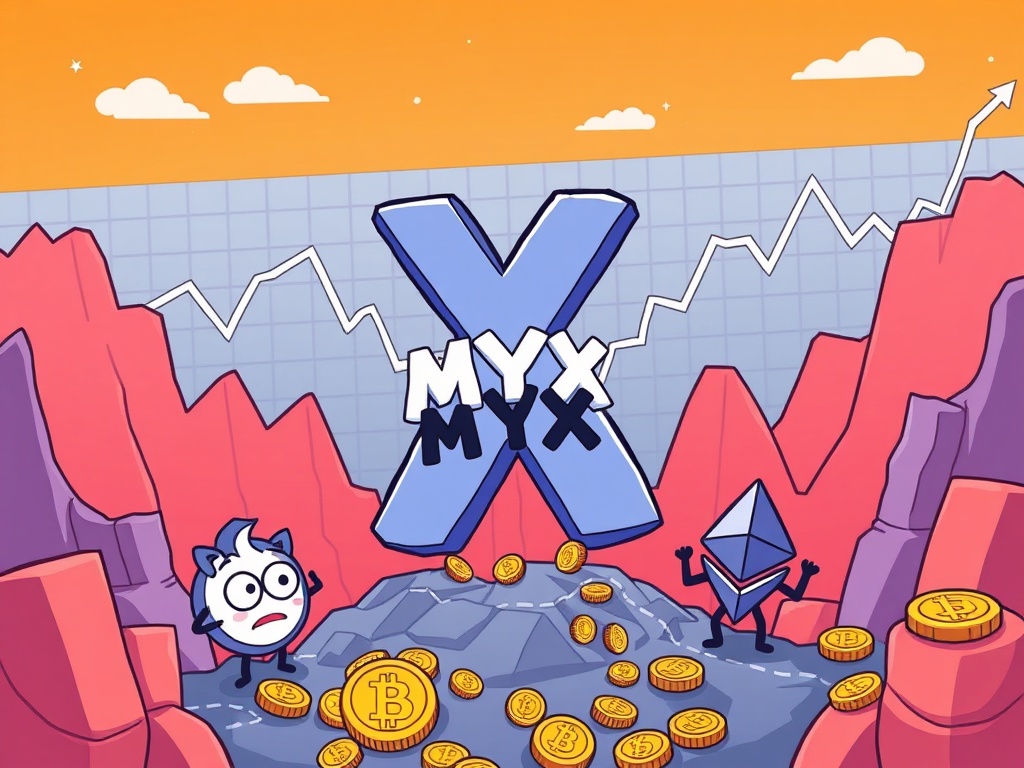
  • MYX: $64.23 million – A significant portion, 82.38%, of these were short positions. This indicates that traders betting on a price decline for MYX were caught off guard by an unexpected upward movement or sideways consolidation.
  • ETH: $48.97 million – Here, long positions accounted for 53.97%. This suggests that traders expecting Ethereum’s price to rise faced unexpected selling pressure, leading to their positions being closed out.
  • BTC: $39.52 million – Bitcoin, the market leader, saw 56.2% of its liquidations come from short positions. Similar to MYX, this points to a squeeze on traders who were bearish on BTC’s immediate future.

The dominance of MYX in these crypto liquidations is particularly noteworthy, signaling a specific event or trend impacting this particular asset that triggered a widespread unwinding of leveraged bets.

Understanding Long vs. Short Liquidations: What Does It Mean?

When we talk about long or short liquidations, we are referring to the direction of the trade that was closed. A ‘long’ position is a bet that an asset’s price will increase, while a ‘short’ position is a bet that its price will decrease. Therefore:

  • Short liquidations occur when the price of an asset unexpectedly rises, forcing those who bet on a fall to close their positions.
  • Long liquidations happen when the price of an asset unexpectedly drops, forcing those who bet on a rise to close their positions.

The recent figures demonstrate a mixed bag, with MYX and BTC experiencing more short liquidations, while ETH saw more long liquidations. This diverse impact underscores the unpredictable nature of the market and the different pressures affecting various assets simultaneously.

How Can Traders Navigate Volatile Periods and Avoid Crypto Liquidations?

Navigating periods of high volatility requires a strategic approach. Here are some actionable insights to help mitigate the risk of forced crypto liquidations:

  • Manage Leverage Wisely: While leverage can amplify gains, it dramatically increases risk. Use it cautiously and understand the liquidation price of your positions.
  • Set Stop-Loss Orders: These orders automatically close your position if the price hits a predetermined level, limiting potential losses before a full liquidation occurs.
  • Diversify Your Portfolio: Spreading investments across different assets can help reduce exposure to single-asset volatility.
  • Stay Informed: Keep abreast of market news, economic indicators, and technical analysis to make more informed trading decisions.

Ultimately, understanding the mechanisms behind crypto liquidations and implementing robust risk management strategies are paramount for long-term success in the crypto futures market.

In conclusion, the recent $152 million in crypto liquidations serves as a potent reminder of the inherent risks and rewards in cryptocurrency trading. While such events can be daunting, they also offer valuable lessons in market dynamics and risk management. By staying informed and adopting disciplined trading practices, participants can better navigate these turbulent waters and potentially turn volatility into opportunity.

Frequently Asked Questions (FAQs)

What is a crypto liquidation?

A crypto liquidation is the forced closure of a trader’s leveraged position by an exchange when the market moves against their trade, causing their margin balance to fall below a required threshold.

Why did MYX have the highest crypto liquidations?

MYX experienced the highest liquidations, predominantly from short positions, suggesting a significant price surge or an unexpected market move that caught bearish traders off guard.

How do long and short liquidations differ?

Long liquidations occur when the price drops, closing positions that bet on a rise. Short liquidations happen when the price rises, closing positions that bet on a fall.

Can I prevent my crypto positions from being liquidated?

While you cannot entirely prevent liquidations in extreme market conditions, you can mitigate the risk by using lower leverage, setting stop-loss orders, and maintaining sufficient margin in your account.

What is the impact of large-scale crypto liquidations on the market?

Large-scale liquidations can create a cascade effect, pushing prices further in the direction of the initial move, increasing volatility, and potentially leading to further liquidations across the market.

Did you find this article insightful? Share it with your friends and fellow crypto enthusiasts on social media to help them understand the complexities of market liquidations and how to navigate them effectively!

To learn more about the latest crypto market trends, explore our article on key developments shaping Bitcoin price action.

This post Massive Crypto Liquidations: $152M Wiped Out in 24 Hours, MYX Leads the Plunge first appeared on BitcoinWorld and is written by Editorial Team

Market Opportunity
LETSTOP Logo
LETSTOP Price(STOP)
$0.01851
$0.01851$0.01851
+2.09%
USD
LETSTOP (STOP) Live Price Chart
Disclaimer: The articles reposted on this site are sourced from public platforms and are provided for informational purposes only. They do not necessarily reflect the views of MEXC. All rights remain with the original authors. If you believe any content infringes on third-party rights, please contact [email protected] for removal. MEXC makes no guarantees regarding the accuracy, completeness, or timeliness of the content and is not responsible for any actions taken based on the information provided. The content does not constitute financial, legal, or other professional advice, nor should it be considered a recommendation or endorsement by MEXC.

You May Also Like

How to earn from cloud mining: IeByte’s upgraded auto-cloud mining platform unlocks genuine passive earnings

How to earn from cloud mining: IeByte’s upgraded auto-cloud mining platform unlocks genuine passive earnings

The post How to earn from cloud mining: IeByte’s upgraded auto-cloud mining platform unlocks genuine passive earnings appeared on BitcoinEthereumNews.com. contributor Posted: September 17, 2025 As digital assets continue to reshape global finance, cloud mining has become one of the most effective ways for investors to generate stable passive income. Addressing the growing demand for simplicity, security, and profitability, IeByte has officially upgraded its fully automated cloud mining platform, empowering both beginners and experienced investors to earn Bitcoin, Dogecoin, and other mainstream cryptocurrencies without the need for hardware or technical expertise. Why cloud mining in 2025? Traditional crypto mining requires expensive hardware, high electricity costs, and constant maintenance. In 2025, with blockchain networks becoming more competitive, these barriers have grown even higher. Cloud mining solves this by allowing users to lease professional mining power remotely, eliminating the upfront costs and complexity. IeByte stands at the forefront of this transformation, offering investors a transparent and seamless path to daily earnings. IeByte’s upgraded auto-cloud mining platform With its latest upgrade, IeByte introduces: Full Automation: Mining contracts can be activated in just one click, with all processes handled by IeByte’s servers. Enhanced Security: Bank-grade encryption, cold wallets, and real-time monitoring protect every transaction. Scalable Options: From starter packages to high-level investment contracts, investors can choose the plan that matches their goals. Global Reach: Already trusted by users in over 100 countries. Mining contracts for 2025 IeByte offers a wide range of contracts tailored for every investor level. From entry-level plans with daily returns to premium high-yield packages, the platform ensures maximum accessibility. Contract Type Duration Price Daily Reward Total Earnings (Principal + Profit) Starter Contract 1 Day $200 $6 $200 + $6 + $10 bonus Bronze Basic Contract 2 Days $500 $13.5 $500 + $27 Bronze Basic Contract 3 Days $1,200 $36 $1,200 + $108 Silver Advanced Contract 1 Day $5,000 $175 $5,000 + $175 Silver Advanced Contract 2 Days $8,000 $320 $8,000 + $640 Silver…
Share
BitcoinEthereumNews2025/09/17 23:48
Vitalik Buterin Reveals Ethereum’s Long-Term Focus on Quantum Resistance

Vitalik Buterin Reveals Ethereum’s Long-Term Focus on Quantum Resistance

TLDR Ethereum focuses on quantum resistance to secure the blockchain’s future. Vitalik Buterin outlines Ethereum’s long-term development with security goals. Ethereum aims for improved transaction efficiency and layer-2 scalability. Ethereum maintains a strong market position with price stability above $4,000. Vitalik Buterin, the co-founder of Ethereum, has shared insights into the blockchain’s long-term development. During [...] The post Vitalik Buterin Reveals Ethereum’s Long-Term Focus on Quantum Resistance appeared first on CoinCentral.
Share
Coincentral2025/09/18 00:31
Optimizely Named a Leader in the 2026 Gartner® Magic Quadrant™ for Personalization Engines

Optimizely Named a Leader in the 2026 Gartner® Magic Quadrant™ for Personalization Engines

Company recognized as a Leader for the second consecutive year NEW YORK, Feb. 5, 2026 /PRNewswire/ — Optimizely, the leading digital experience platform (DXP) provider
Share
AI Journal2026/02/06 00:47