Cadence Bets on India Leadership to Drive Innovation Scale
Cadence Strengthens India Leadership to Scale Innovation and Ecosystem Collaboration
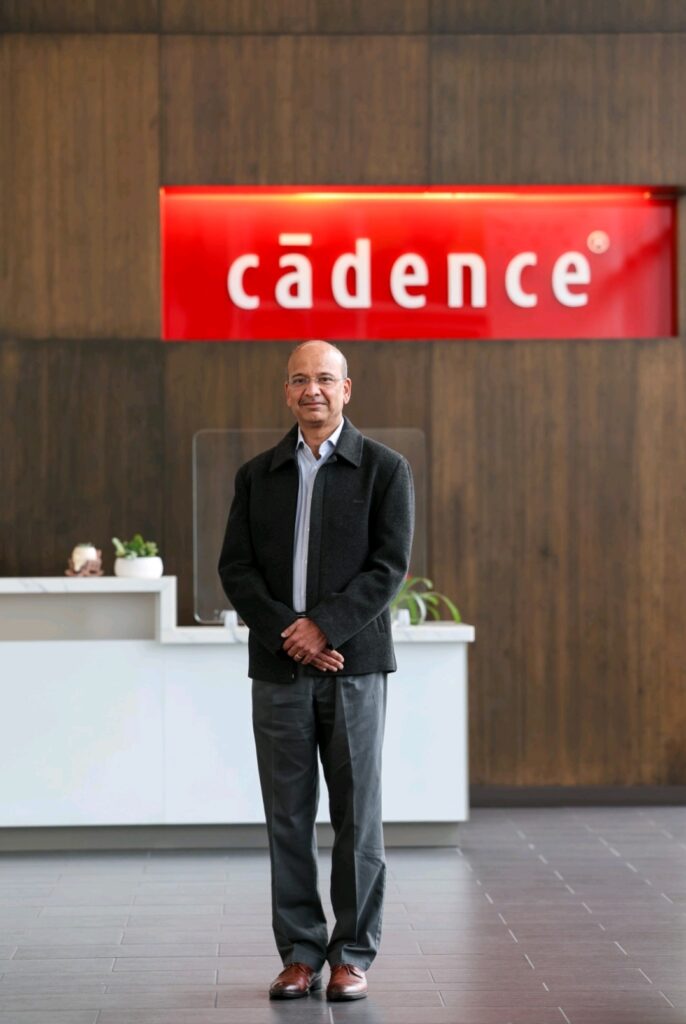
Cadence has appointed Dr. Alok Jain as Managing Director for its India operations, reinforcing the company’s focus on the region as a key center for semiconductor design, computational software, and advanced engineering innovation. The move places a long-tenured internal leader at the helm of a market that accounts for a significant share of the company’s global workforce and R&D capabilities. Jain will lead efforts to scale operations, deepen partnerships across government and academia, and further integrate India into Cadence’s global innovation strategy.
The announcement reflects a broader shift in how technology companies are aligning leadership decisions with regional innovation priorities, particularly in markets that are becoming central to digital transformation and engineering excellence.
The Expanding Role of Engineering in Customer Experience
Customer experience is increasingly shaped by factors far beyond traditional touchpoints such as service interfaces or customer support. In technology-driven industries, the quality of experience is deeply influenced by the performance and reliability of underlying systems, many of which depend on advanced semiconductor design.
From mobile devices and cloud platforms to automotive systems and industrial automation, semiconductors form the backbone of digital experiences. As customer expectations evolve toward real-time responsiveness, seamless connectivity, and uninterrupted performance, the demand for more sophisticated chip design and simulation capabilities continues to grow.
This shift has created new pressures for enterprises. They must accelerate product development cycles while ensuring high levels of quality and scalability. At the same time, the integration of artificial intelligence, edge computing, and digital twins is increasing the complexity of system design.
For CX leaders, this evolution underscores a critical point: the customer experience is now directly tied to upstream engineering capabilities. Delays, inefficiencies, or inaccuracies in design processes can cascade into customer-facing issues, affecting satisfaction and trust.
India’s Emerging Role in Global Innovation
Cadence’s decision to strengthen its leadership in India highlights the country’s growing importance in the global semiconductor and technology ecosystem. Over the past decade, India has transitioned from being primarily a delivery center to becoming a strategic hub for research, development, and innovation.
A substantial portion of Cadence’s global workforce is based in India, with many teams engaged in core product development and engineering activities. This concentration of talent has enabled the company to contribute to complex, high-value projects that support customers worldwide.
In remarks accompanying the appointment, CEO Anirudh Devgan emphasized India’s central role in the company’s R&D and growth strategy, noting that the region’s contributions have been instrumental in driving innovation.
Dr. Jain’s elevation reflects a preference for leadership continuity and domain expertise. Having joined Cadence India in 1997 and held leadership roles in system verification, he brings deep technical knowledge and institutional familiarity. His experience spans decades of technological evolution, positioning him to navigate both current challenges and future opportunities in the semiconductor space.
Strategic Focus on Ecosystem Collaboration
A defining element of Cadence’s India strategy is its engagement with a broader ecosystem that includes government agencies, academic institutions, and industry bodies. This collaborative approach is designed to address one of the most pressing challenges in the semiconductor industry: the need for a highly skilled and scalable talent pipeline.
Cadence has been involved in partnerships with educational institutions and national initiatives aimed at strengthening chip design capabilities. These efforts include collaborations with engineering colleges and participation in programs that promote semiconductor education and innovation.
Such initiatives are not only about talent development but also about fostering an environment where innovation can thrive. By working closely with academia and policymakers, companies can influence curriculum development, support research initiatives, and accelerate the adoption of emerging technologies.
For CX leaders, this highlights the importance of ecosystem thinking. Delivering seamless customer experiences often requires coordination across multiple stakeholders, including technology providers, partners, and regulatory bodies. Strong ecosystem alignment can lead to more integrated solutions and improved outcomes for end users.
Technology Foundations: AI, Digital Twins, and Design Automation
Cadence operates at the intersection of computational software, artificial intelligence, and engineering design. Its solutions are used by semiconductor and systems companies to design, simulate, and validate complex products before they are manufacture.
One of the key trends shaping this space is the increasing use of AI in design automation. AI-driven tools can analyze vast amounts of data, optimize design parameters, and identify potential issues early in the development process. This not only accelerates innovation but also improves the accuracy and reliability of designs.
Digital twins represent another important capability. By creating virtual models of physical systems, companies can simulate real-world conditions and test performance under different scenarios. This enables more informed decision-making and reduces the need for costly physical prototypes.
For customers, these technologies translate into tangible benefits. Faster design cycles mean quicker access to new products and features. Improved accuracy reduces the likelihood of defects, enhancing reliability. And more efficient development processes can lead to cost savings that may pass on to end users.
Implications for Customer Experience
While the appointment of a regional managing director may appear to be an internal organizational change, its implications for customer experience are significant. Leadership decisions at the R&D and engineering level can influence how effectively a company delivers on its customer commitments.
Enhanced R&D capabilities in India are likely to contribute to shorter product development cycles. This can help customers bring innovations to market more quickly, meeting evolving expectations for speed and responsiveness.
Improved coordination between global and regional teams can also reduce friction in development and delivery processes. When teams operate with greater alignment, the risk of delays, miscommunication, and quality issues is reduced.
Additionally, investments in AI-driven design and verification can lead to more robust and reliable products. For customers, this means fewer disruptions, better performance, and a more consistent experience across different use cases.
Ultimately, these improvements contribute to a more seamless customer journey, where technology performs as expected and supports the delivery of value at every touchpoint.
Broader Industry Implications
Cadence’s leadership move reflects several broader trends within the semiconductor and technology industries. One of the most notable is the increasing importance of regional innovation hubs. As global supply chains become more complex, companies are investing in localized R&D capabilities to enhance resilience and agility.
Another trend is the growing emphasis on collaboration. The complexity of modern technology systems requires input from multiple stakeholders, including academia, industry partners, and government bodies. Collaborative ecosystems are becoming essential for driving innovation at scale.
The appointment also highlights the competitive importance of talent. As demand for semiconductor expertise continues to rise, companies must invest in developing and retaining skilled professionals. Leadership plays a critical role in shaping organizational culture and attracting top talent.
For competitors, these trends underscore the need to adopt similar strategies, including strengthening local leadership, investing in ecosystem partnerships, and leveraging advanced technologies such as AI-driven design.
Looking Ahead: CX in a Technology-Driven Era
As digital transformation accelerates across industries, the link between engineering excellence and customer experience will continue to strengthen. Organizations that can effectively integrate advanced design capabilities with customer-centric strategies will have a better position to deliver differentiated experiences.
Cadence’s decision to appoint Dr. Alok Jain as Managing Director for India illustrates how leadership, technology, and ecosystem engagement are converging to support this goal. By reinforcing its presence in a key innovation hub, the company is aligning its strategy with the evolving demands of both the semiconductor industry and its customers.
For CX leaders, the broader lesson is clear. Delivering exceptional customer experiences requires more than front-end innovation. It depends on the strength of the underlying technology, the efficiency of development processes, and the ability to collaborate across ecosystems.
In this context, leadership decisions that enhance these capabilities are not just organizational changes—they are strategic moves that can shape the future of customer experience.
Key Takeaways
- Leadership decisions influence CX outcomes upstream
Appointing experienced technical leadership in key regions strengthens R&D execution, which directly impacts the quality, reliability, and speed of customer-facing innovations. - India’s role as an innovation hub continues to expand
With a significant share of global engineering talent and product development, India is becoming central to semiconductor innovation and, by extension, global customer experience delivery. - Ecosystem collaboration is critical for scalable innovation
Partnerships with academia, government, and industry bodies are essential to building talent pipelines. And accelerating technology development that ultimately enhances customer outcomes. - AI-driven design is reshaping product reliability and speed
Increased use of AI in engineering processes improves accuracy, reduces defects, and shortens development cycles. Thus, leading to more consistent and dependable customer experiences. - CX leaders must align with engineering and technology strategy
Customer experience is no longer just a front-end function. It is, in fact, deeply tied to backend systems, design processes, and infrastructure that enable seamless, high-performance interactions.
The post Cadence Bets on India Leadership to Drive Innovation Scale appeared first on CX Quest.
You May Also Like

South Korea Moves to Block Illegal Crypto FX Flows

Bitcoin balanceert rond $118.000: komt er een nieuwe uitbraak?