

Vietnam Moves to Ban Overseas Crypto Platforms and Build a Domestic Exchange System From Scratch

Vietnam’s Ministry of Finance is drafting regulations that would prohibit citizens from trading on foreign cryptocurrency platforms including Binance, OKX, and Bybit, according to reporting from The Block on March 17.
The move pairs a restriction on outbound capital flows with an accelerated effort to build a licensed domestic crypto exchange industry, placing one of the world’s most active crypto markets at a significant regulatory crossroads.
Why Vietnam Is Acting Now
The context behind this decision matters. Vietnam ranks fourth globally in crypto adoption, with transaction volume exceeding $200 billion in the twelve months leading to June 2025. That volume has been flowing almost entirely through foreign platforms, which means Vietnamese capital is being deployed, fees are being generated, and economic activity is occurring largely outside the reach of domestic financial oversight.
Since January 1, 2026, Vietnam’s Law on Digital Technology Industry has formally recognized digital assets as property, giving them legal status for the first time while maintaining the existing prohibition on using them as payment. That legal recognition created the foundation for a regulatory framework. The proposed ban on foreign platforms and the domestic licensing program are the next logical steps in that sequence.
The capital outflow concern is the more urgent driver. A market processing $200 billion annually through platforms headquartered in other jurisdictions represents a substantial and largely unmonitored flow of domestic savings and investment activity. Restricting access to foreign platforms forces that volume onto domestic infrastructure where it can be taxed, monitored, and regulated.
The Licensing Framework Being Built
Hanoi is launching a five-year pilot program for domestically operated digital asset exchanges, potentially beginning as early as this month. Five entities have already passed an initial qualification round. Three are bank affiliates, specifically connected to Techcombank, VPBank, and LPBank, which are among Vietnam’s largest private financial institutions. VIX Securities, a domestic brokerage, and Sun Group, one of Vietnam’s largest private conglomerates, round out the initial qualified cohort.
The entry requirements are deliberately restrictive. Applicants must hold a minimum paid-in capital of 10 trillion dong, approximately $400 million, ensuring only well-capitalized institutional players can participate. At least 65% of capital must be held by institutional shareholders, and foreign ownership is capped at 49%. Firms must also meet the highest tier of IT security standards and strict anti-money laundering compliance requirements.
That capital threshold is significant. At $400 million minimum, Vietnam is not building a permissive environment for startup exchanges. It is creating a small number of heavily regulated, institutionally backed domestic platforms designed to absorb volume from banned foreign competitors while maintaining state-level oversight over the full transaction flow.
The Tax Dimension
New draft rules also propose a 0.1% transfer tax on crypto trades for individuals and non-resident institutions. That rate is modest by international standards and signals an intent to generate tax revenue from the asset class rather than suppress it. A government proposing a transfer tax rather than a blanket prohibition is one that has accepted crypto’s permanence and is building infrastructure around that reality.
What This Means for Global Platforms
For Binance, OKX, and Bybit, a Vietnamese ban represents the potential loss of access to one of their most active user bases in Southeast Asia. Vietnam’s fourth-place global ranking in crypto adoption is not driven by institutional accounts. It reflects millions of retail participants who have been using these platforms for years. Redirecting that activity onto domestic platforms requires those users to migrate, which in practice is imperfect and slow.
The broader trend this fits into is one covered repeatedly this week. Argentina blocked Polymarket. Vietnam is moving to restrict foreign exchanges. Regulatory fragmentation of the global crypto market is accelerating, with each jurisdiction making independent decisions about how to capture economic activity, protect consumers, and maintain oversight of capital flows. The platforms that built their businesses on borderless access are increasingly navigating a world that is reassembling borders one country at a time.
The post Vietnam Moves to Ban Overseas Crypto Platforms and Build a Domestic Exchange System From Scratch appeared first on ETHNews.
You May Also Like

Shiba Inu Shibariumscan Hits 45% Indexing Progress
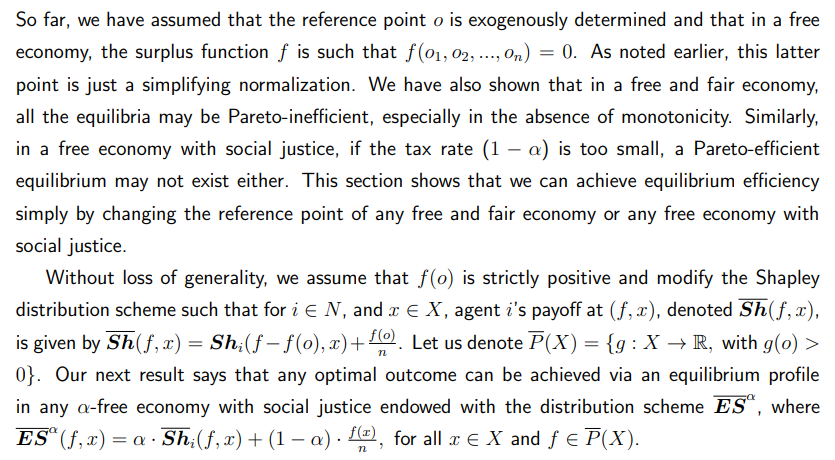
The Role of Reference Points in Achieving Equilibrium Efficiency in Fair and Socially Just Economies

