Dapp

Dapps are digital applications that run on a P2P network of computers rather than a single server, typically utilizing smart contracts to ensure transparency and uptime. In 2026, Dapps have achieved mass-market appeal through Account Abstraction, allowing for a "Web2-like" user experience with the security of Web3. This tag covers the entire ecosystem of decentralized software—from social media and productivity tools to governance platforms and identity management.

4980 Articles
Created: 2026/02/02 18:52
Updated: 2026/02/02 18:52
Best Crypto Trends: 5 Top Altcoins to Buy This Week (October 2025) as MoonBull Fuels the Market Wildfire

Best Crypto Trends: 5 Top Altcoins to Buy This Week (October 2025) as MoonBull Fuels the Market Wildfire

Top altcoins to join this week features MoonBull presale, SOL, XRP, BZIL, CULEX, discover top 100x meme projects and 100x crypto coins now!

Author: Blockchainreporter
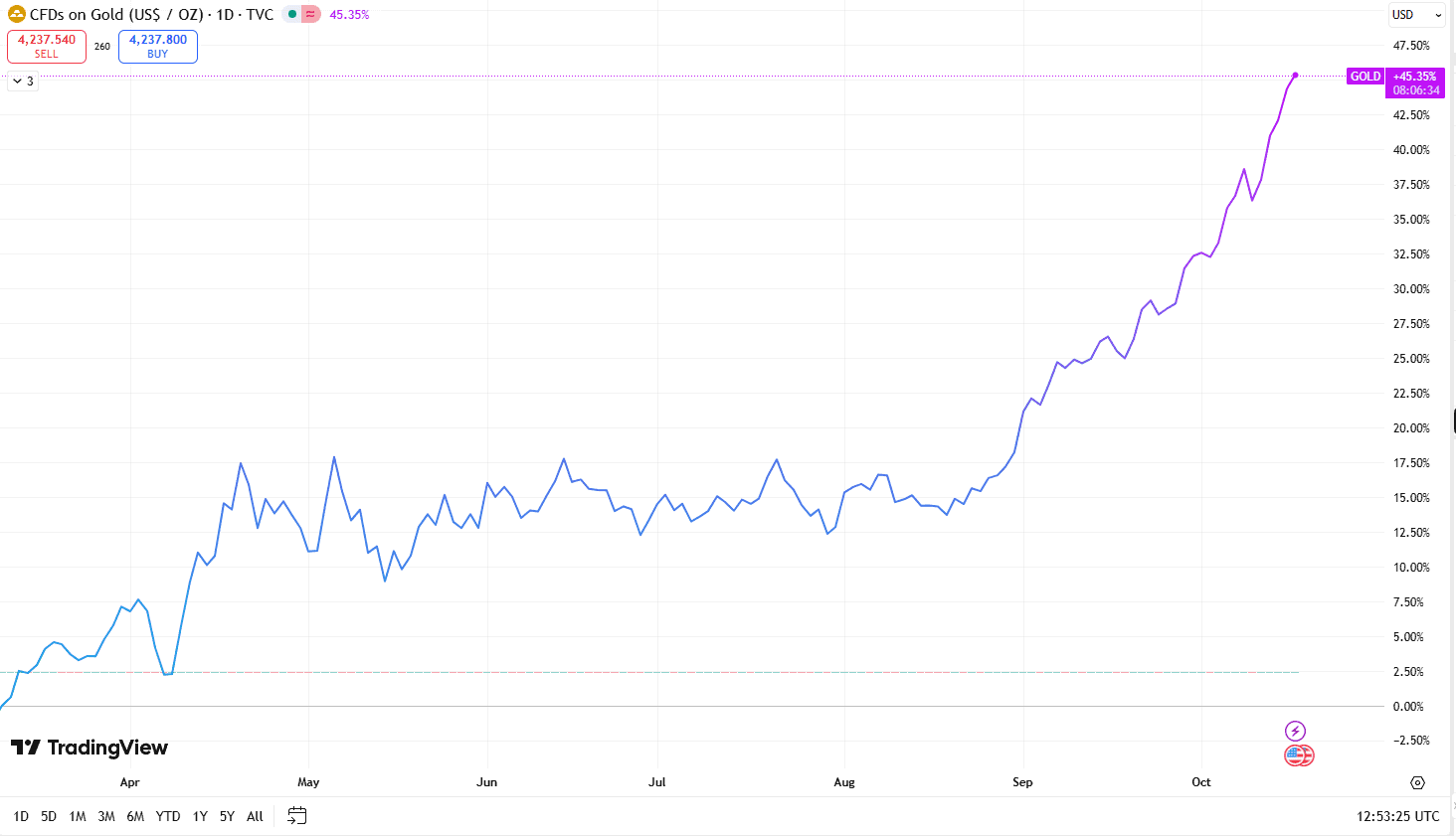
Why Gold Is Resurgent Over Bitcoin, and Why Bitcoin Hyper Could Help Bitcoin Catch Up

Why Gold Is Resurgent Over Bitcoin, and Why Bitcoin Hyper Could Help Bitcoin Catch Up

Don’t call it a comeback, but gold is gaining ground as the preferred safe-haven asset – outshining Bitcoin in many respects.

Author: Brave Newcoin
Solana vs XRP: Comparing Their Key Features

Solana vs XRP: Comparing Their Key Features

Solana and XRP are two of the fastest and most popular blockchain platforms, but they solve very different problems. Solana focuses on high-speed transactions and low fees, making it popular for decentralized applications like NFTs and DeFi. XRP, on the other hand, is known for enabling quick and efficient cross-border payments, with many banks and financial institutions using its network.Both have strong communities, unique use cases, and potential for growth. Understanding their differences helps investors and users decide which best fits their goals.What is Solana (SOL)?Solana is a high-performance blockchain platform that is designed to support decentralized applications (dApps) and crypto assets with a focus on scalability, speed, and low transaction costs. It was launched in March of 2020 by Anatoly Yakovenko, a former Qualcomm engineer, and introduced a unique consensus mechanism called Proof of History (PoH), which works alongside Proof of Stake (PoS) to dramatically increase throughput. This innovation allows the network to process thousands of transactions per second — which is far more than most other blockchains. Solana’s ecosystem quickly became one of the most active in the crypto industry, powering projects in DeFi, NFTs, and gaming. Its native token, SOL, is used for transaction fees, staking, and network governance.What is Ripple (XRP)?Ripple (XRP), on the other hand, is both a blockchain-based payment protocol and the name of the digital currency used in it. It was founded in 2012 by Chris Larsen and Jed McCaleb with the goal of enabling fast, low-cost international money transfers between financial institutions. Unlike traditional blockchains, Ripple uses a consensus ledger rather than mining to validate transactions, allowing settlements to occur in just a few seconds. The company behind it, Ripple Labs, focuses on bridging traditional finance and blockchain technology through its products like RippleNet and On-Demand Liquidity (ODL). The XRP token serves as a bridge currency for cross-border payments, aiming to make global financial transfers more efficient and affordable.Solana vs XRP: Key DifferencesCATEGORYSOLANA (SOL)RIPPLE (XRP)Launch Year20202012Founder(s)Anatoly YakovenkoChris Larsen ans Jed McCalebPrimary PurposeGeneral-purpose blockchain for dApps, DeFi, and NFTs.Cross-border payments and liquidity bridge for financial institutions.Consensus MechanismProof of History + Proof of Stake.Ripple Protocol Consensus Algorithm (RPCA).Transaction SpeedUp to 65,000 transaction per second (TPS).1,500 TPS, with 3-5 second settlements.Transaction Fees$0.00025 (extremely low)$0.0002 (also extremely low)Smart Contract SupportFull support for smart contracts.Limited, mainly focused on payments, not dApps.DecentralizationHundreds of validators, but high hardware requirements.Around 150 validators, with Ripple Labs influencing default list.Network ReliabilityVery fast, but occasional outages during high traffic.Highly reliable, minimal outages.Main Use CasesDeFi platforms, NFT marketplaces, Web3 gaming, and dApps.General remittances, bank transfers, and liquidity management.Ecosystem FocusDeveloper-driven ecosystem with open-source growth.Institutional and banking partnerships through Ripple Net.Regulatory OutlookNo direct SEC lawsuit but under general scrutiny.Faced and resolved SEC lawsuit; clearer regulatory standing.Frequently Asked QuestionsWhat are the main differences in transaction speeds between Solana and XRP?Solana processes transactions very quickly, handling up to thousands of transactions per second. It is known for low latency and high-speed block confirmations.XRP also offers fast transaction speeds, especially for cross-border payments, with transfers completing in seconds. Both networks aim for speed, but Solana’s focus is on scaling for a wide range of applications, while XRP is tailored for quick payment settlements.How do Solana's and XRP's approaches to scalability compare?Solana uses a unique proof-of-history mechanism to help scale its network and manage more transactions at once. This system allows it to support decentralized finance (DeFi), apps, and NFTs alongside regular transfers.XRP relies on a simpler consensus protocol called the XRP Ledger. This setup focuses on stability and payment processing, which scales less flexibly compared to Solana’s broad use-case approach.What are the factors affecting the price predictions of Solana and XRP?The price of Solana is influenced by growth in decentralized applications, partnerships, and network upgrades. Demand from developers and DeFi projects can also move Solana’s price.XRP’s price depends on regulatory news, adoption by banks, and the growth of its payment network. Legal decisions about XRP’s status can have a big impact on its future value.Which offers better long-term investment potential: Solana or XRP?Solana appeals to those interested in a growing community of apps and NFT projects. Its ecosystem is expanding, but risks include technical issues and network outages.XRP is more established in the payments space and has support from some financial institutions. Its future depends heavily on legal clarity and global adoption for payments.What are the advantages and disadvantages of Solana and XRP in terms of overall network performance?Solana’s advantages include fast speeds, high capacity, and support for many types of applications. However, it has faced network outages and technical challenges during periods of heavy activity.XRP is valued for its uptime, reliability, and stable performance in payments. It lacks support for advanced apps but is less prone to network slowdowns or failures. Both have trade-offs based on what users and developers need.

Author: Coinstats
7 Viral Cryptos to Watch — BullZilla Leads the Top Coins to Buy and Hold for Long Term in October 2025

7 Viral Cryptos to Watch — BullZilla Leads the Top Coins to Buy and Hold for Long Term in October 2025

BullZilla, SUI, MoonBull, La Culex, AVAX, ADA, and LINK are emerging as the top coins to buy and hold for long term in October 2025. Each project combines innovation, community strength, and utility that could define the next crypto cycle. BullZilla’s ROI-driven presale model, SUI’s expanding developer network, MoonBull’s high-yield tokenomics, La Culex’s sustainable design, […] The post 7 Viral Cryptos to Watch — BullZilla Leads the Top Coins to Buy and Hold for Long Term in October 2025 appeared first on Live Bitcoin News.

Author: LiveBitcoinNews
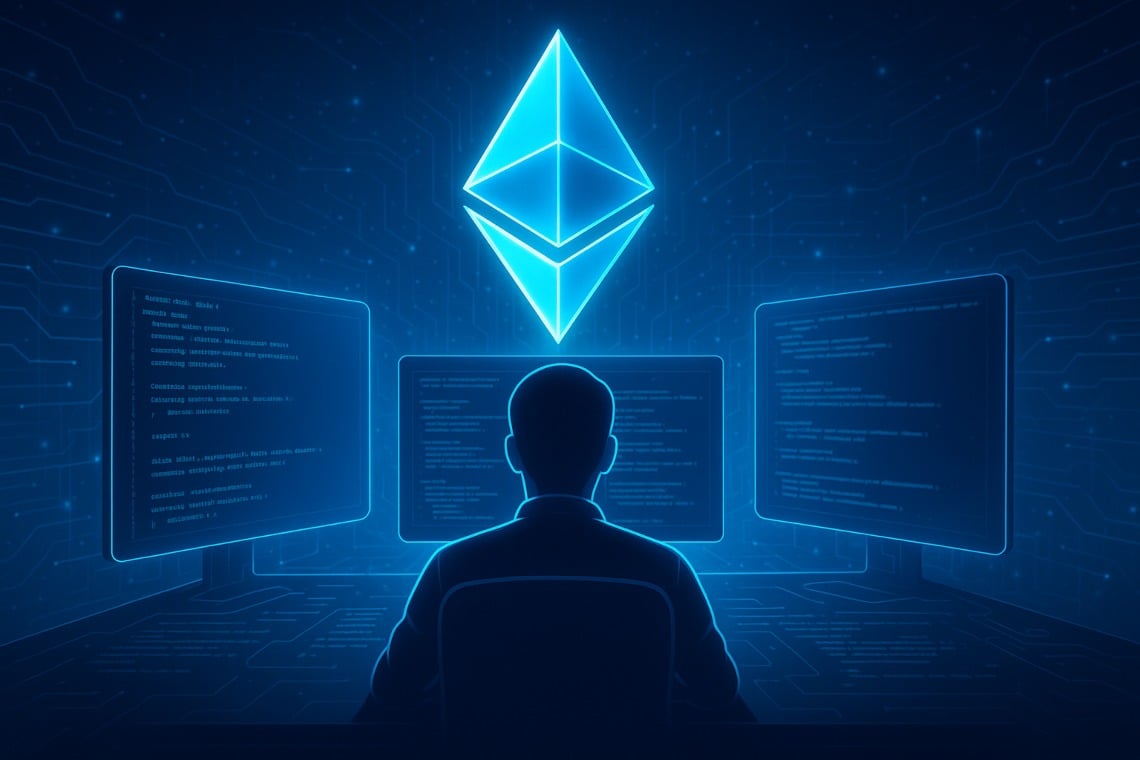
Ethereum Developer Ecosystem: Why It Still Leads Developers

Ethereum Developer Ecosystem: Why It Still Leads Developers

The Ethereum developer ecosystem continues to attract builders through mature tooling, Layer 2 rollups and structured grants.

Author: The Cryptonomist
From This AI Crypto Coin to Bitcoin’s $115K Rally — 12 Crypto Projects Defining the Next Big Blockchain Revolution

From This AI Crypto Coin to Bitcoin’s $115K Rally — 12 Crypto Projects Defining the Next Big Blockchain Revolution

The post From This AI Crypto Coin to Bitcoin’s $115K Rally — 12 Crypto Projects Defining the Next Big Blockchain Revolution appeared on BitcoinEthereumNews.com. The crypto landscape is entering a new chapter, one where artificial intelligence (AI) and blockchain converge to create smarter, automated systems. Investors are no longer satisfied with “just a token”; they want AI crypto coins with real utility, scalability, and long-term growth potential. In this ICO-comparative listicle, we spotlight 12 projects, from the nascent Blazpay ICO to established protocols like Ethereum, Solana, and Chainlink. We compare current vs ICO / early price, highlight core strengths, and show how each fits (or doesn’t) into the AI + blockchain future. Note: ICO or early-stage pricing data is approximate for many mature tokens and may vary based on source. 1. Blazpay (BLAZ) — The AI-First Presale Entry ICO / Presale Price: ~$0.006 in Phase 1 Current (Presale) Price: Still ~$0.006 until Phase advancement Why it matters: Blazpay is built around BlazAI, an intelligent engine automating swaps, portfolio rebalancing, cross-chain routing, and liquidity optimization — all in one interface. Its gamified rewards system (BlazPoints) rewards staking, challenges, leaderboards, quizzes, and unlocks NFT/bonus features. Blazpay blends AI utility with audience engagement, making it a leading AI crypto coin in the ICO class. It’s drawing comparisons to Solana’s early ICO run (Solana launched at ~ $0.22), and many consider it one of the best crypto coins to buy from presale stages. 2. Bitcoin (BTC) — The Anchor, Not the AI Player Early Price (circa 2009–2010): ~$0.0008–$0.01 (very rough early trades) Current Price: ~$115,000+ (fluctuating) Bitcoin lacks AI-driven protocols or automation layers. But as the foundational crypto asset, it anchors systemic trust, liquidity, and institutional flows. In an AI crypto portfolio, BTC is the safe base — not the growth engine. 3. Ethereum (ETH) — AI Execution Layer Potential ICO / Early Price: ~$0.30–$2 (depending on stage) Current Price: ~$4,500+ Ethereum is arguably the most relevant legacy…

Author: BitcoinEthereumNews
Top 5 Crypto Presales in 2025 For Market-Beating Gains and Massive Returns

Top 5 Crypto Presales in 2025 For Market-Beating Gains and Massive Returns

The post Top 5 Crypto Presales in 2025 For Market-Beating Gains and Massive Returns appeared on BitcoinEthereumNews.com. The crypto presale season took on a new look in 2025, with less moon talk and more proven utility. This is clearer in trading activity, with deeper exchange liquidity and stronger turnover, while leading crypto presales are closing multi-million dollar funding rounds. The potential reach for crypto apps is enormous, supported by heavy use of centralized services and retail DeFi. Traders have been migrating to presales backed by real infrastructure, decentralized utilities, and consistent reward mechanisms. EcoYield ($EYE) is a benchmark among the top 5 crypto presales, combining tokenized AI compute infrastructure and renewable energy to pursue operational cash flows. This, alongside other rising projects that are helping to redefine what sustainable growth in crypto means for 2025. EcoYield ($EYE): Crypto Presale to Buy Powering Real-World Yield & AI Compute EcoYield combines renewable energy and AI computing to build what it describes as the first tokenized infrastructure network with on-chain yield generated by GPU compute sold to companies via global marketplaces and clean-energy revenues. In practice, the funds raised in the crypto presale finance modular, solar-powered data centers connected to global computing marketplaces. The capacity is leased to AI companies and decentralized customers; revenues in stablecoins are distributed to Yield Token holders, with on-chain reporting to track performance and allocation. There are already pilot projects in Leeds (UK) and a flagship in Dubai (UAE), with goals to start distributions in stablecoins after going live and on-chain validation of yield metrics. All of this demonstrates the scalability of the model and positions EcoYield as one of the top 5 crypto presales in 2025. BlockchainFX ($BFX): Multi-Asset DeFi Focused On On/Off-Ramp and Trading Utilities BlockchainFX ($BFX) is a utility-oriented crypto presale that combines a multi-asset exchange, a Visa card, and trading/staking utilities. For African markets, its crypto-fiat bridge aims to cut on/off-ramp…

Author: BitcoinEthereumNews
Aerodrome Finance Partners with River for Chain Abstraction to Expand Liquidity Across DeFi Ecosystems

Aerodrome Finance Partners with River for Chain Abstraction to Expand Liquidity Across DeFi Ecosystems

River (RIVER), a chain-abstraction network that unifies fragmented liquidity across Web3, announced a strategic partnership with Aerodrome Finance, a DEX (decentralized exchange) and a liquidity avenue built on the Base blockchain. The partnership enabled the integration of River’s chain-abstraction technology into Aerodrome’s liquidity marketplace, aiming to simplify Aerodrome’s DEX interaction with different chains by addressing the fragmentation problem in the DeFi environment.    River is a chain-abstraction stablecoin network that links assets, liquidity, and yields across various blockchains. On the other hand, Aerodrome Finance is a decentralized exchange that functions as a key trading platform on the Base blockchain, serving as a liquidity avenue for the Base ecosystem. River <> @AerodromeFiAerodrome is the largest trading and liquidity marketplace on @Base, holding $589M in TVL and generating $21B in 30-day volume.It functions as @Base central liquidity hub, where 100% of protocol revenue is redirected to holders of veAERO, giving them… pic.twitter.com/e64YZtXnUm— River (@RiverdotInc) October 15, 2025 Refreshing DeFi on Aerodrome Using River’s Chain Abstraction Despite the effectiveness of Aerodrome and other DEXs, users on decentralized exchanges and DeFi protocols often experience obstacles associated with juggling between different wallets, accessing different chains, and even paying varied gas fees. This is where River’s chain abstraction expertise comes in. Through this collaboration, River’s technology solution creates a smooth experience on Aerodrome’s DEX platform and resolves fragmentation issues that could hinder mainstream adoption. Based on this working relationship, River’s chain abstraction infrastructure creates an integration layer into Aerodrome’s network, a solution that makes transactions between the DEX and various chains more efficient. This approach not only enhances client experience on Aerodrome but also improves interoperability across diverse blockchain ecosystems. By abstracting away the underlying complexity in the DeFi space, River’s abstraction technology eliminates the hurdles of managing different wallets, accessing DApps on different blockchain networks, and handling multiple gas tokens by integrating numerous chains under a single, unified interface. The outcome of this strategic partnership is that River’s chain abstraction solution facilitates stronger capital inflows and narrower spreads on the Aerodrome’s DEX platform and enables real-time visibility for DeFi users on the Base ecosystem. This means Aerodrome users can manage assets and execute transactions without having to learn complicated details of each chain through the use of a single interface that unifies features from various blockchains. This implies that customers on Aerodrome can manage Ethereum tokens, Bitcoin assets, and other applications based on different blockchains from a single platform, eliminating the need for different interfaces. Linking Value and Liquidity Across DeFi Ecosystems The partnership between River and Aerodrome showcases how other blockchains can efficiently address the need for accessing cross-chain applications and strengthening the effectiveness of plug-and-play solutions. By giving DeFi users greater ability to access a wide variety of assets and gain exposure to interesting applications across DeFi ecosystems, Aerodrome empowers them and improves liquidity and trust on its platform. This approach highlights three major benefits for DeFi users: having a wider range of asset coverage across various chains, the ability to interact with different blockchains’ applications, and access to real-time transaction settlements that eliminate bridging delays. For Aerodrome, this means customers can trade LTC, ADA, HBAR, and other crypto tokens with the same ease and speed without delays that have traditionally limited multi-chain adoption.

Author: Coinstats
What is the TUNDRA Token?

What is the TUNDRA Token?

The post What is the TUNDRA Token? appeared on BitcoinEthereumNews.com. XRP Tundra is a new cryptocurrency project that, according to its official whitepaper, is designed to provide more value to investors. It offers a dual-token approach, tapping into different chains to unify their use cases. For XRP holders, the project promises passive income through staking, and for Solana users, it introduces a new cryptocurrency that could offer immense upside potential. Available in presale, the TUNDRA token has generated significant market interest. But will this interest now translate into the XRP Tundra price surging once the presale concludes? What is XRP Tundra? According to the official website, XRP Tundra is a cryptocurrency project that represents an innovative dual-token design. There is a TUNDRA-X token, and there is a TUNDRA-S token. The TUNDRA-X token is said to be native to the XRP Ledger (XRPL) blockchain, designed for XRP holders seeking direct staking opportunities. With TUNDRA-S, users get a token built on the Solana blockchain, offering enhanced performance and additional yield options while maintaining a connection to the XRP ecosystem. TUNDRA-X The TUNDRA-X token operates natively on the XRP Ledger, facilitating seamless integration with XRP holdings. Users can stake their TUNDRA-X to earn rewards, and it is said to be ideal for XRP purists. TUNDRA-S With TUNDRA-S, users get access to high-performance perks provided by the Solana blockchain. That means investors benefit from faster transaction speeds and lower fees while also enjoying robust staking options. When users participate in the XRP Tundra presale, they gain access to the TUNDRA-S token, with an equivalent number of TUNDRA-X tokens automatically assigned to them. Staking Options on XRP Tundra The official website reveals that there are three staking modes available on the platform, each with its own set of perks. With liquid staking, users reportedly get maximum flexibility, as there is no lock-up period imposed and…

Author: BitcoinEthereumNews
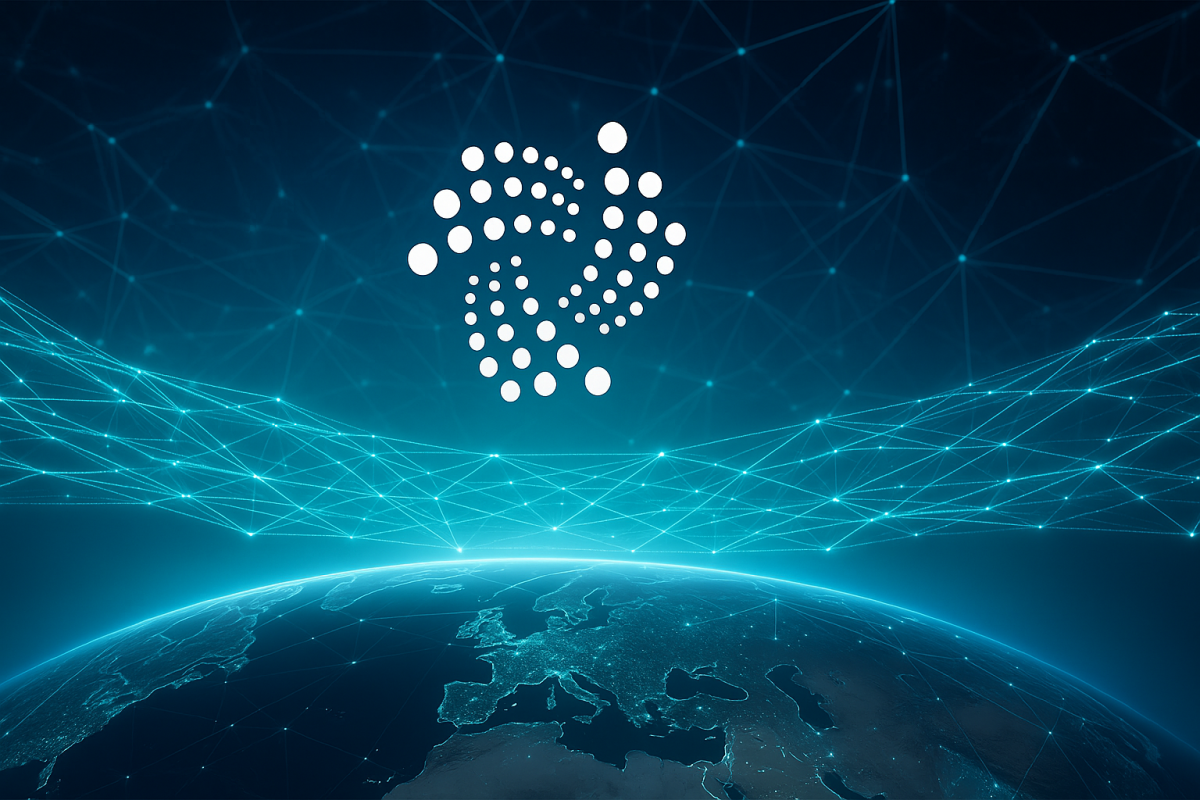
MetaMask Now Connects Directly to IOTA — 143M Users Gain Access

MetaMask Now Connects Directly to IOTA — 143M Users Gain Access

Thanks to LiquidLink, MetaMask users can now connect to IOTA DApps and sign transactions natively.  The price of IOTA has reacted with a 4% surge despite “bearish wind” blowing across the broad market.  One of the most popular platforms with intuitive portfolio management on the Sui Network and IOTA, LiquidLink, has announced the launch of [...]]]>

Author: Crypto News Flash