Liquidation

Liquidation occurs when a trader’s collateral is no longer sufficient to cover their leveraged position’s losses, triggering an automated forced closure by the exchange's liquidation engine. It is a critical risk-management mechanism that ensures the solvency of lending protocols and derivative platforms. In 2026, the focus has moved toward MEV-resistant liquidation models that protect users from predatory "cascades." This tag provides essential information on maintenance margins, health factors, and how to avoid liquidation in high-volatility environments.

14461 Articles
Created: 2026/02/02 18:52
Updated: 2026/02/02 18:52
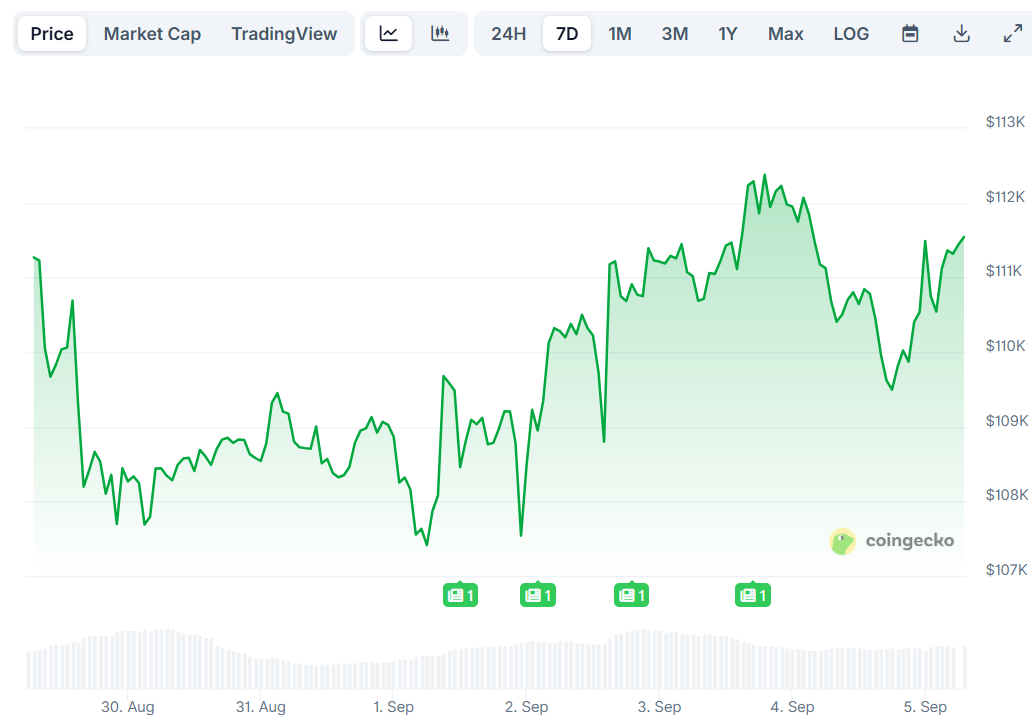
Bitcoin (BTC) Price Prediction: September Weakness Continues as Traders Await Fed Rate Decision

Bitcoin (BTC) Price Prediction: September Weakness Continues as Traders Await Fed Rate Decision

TLDR Bitcoin averages -3.77% returns in September since 2013, making it the weakest month historically Six consecutive losing Septembers from 2017-2022 ended with gains in 2023-2024 Fed meeting on September 16-17 has 97.6% probability of 25 basis point rate cut Spot Bitcoin ETFs launched in January 2024 providing new institutional demand channels October historically follows [...] The post Bitcoin (BTC) Price Prediction: September Weakness Continues as Traders Await Fed Rate Decision appeared first on CoinCentral.

Author: Coincentral
Crucial WLFI Token Distribution Unveiled: Top Holder’s Massive Transfers

Crucial WLFI Token Distribution Unveiled: Top Holder’s Massive Transfers

BitcoinWorld Crucial WLFI Token Distribution Unveiled: Top Holder’s Massive Transfers In a significant development that has caught the attention of the crypto community, the top individual holder of WLFI, known by their address moonmanifest.eth, has initiated a massive WLFI token distribution. This isn’t just a minor move; it involves millions of tokens and raises questions about its potential impact on the WLFI ecosystem and the broader market. On-chain analyst ai_9684xtpa first brought this crucial activity to light, highlighting a series of substantial transfers. What’s Behind This Crucial WLFI Token Distribution? Over the past 18 hours, moonmanifest.eth transferred an impressive 79.54 million WLFI, valued at approximately $14.69 million, to nine distinct addresses. This initial wave was quickly followed by another significant transfer: an additional 100 million WLFI moved to a new address just 25 minutes later. Such large-scale movements from a single entity are always noteworthy in the decentralized world. To put this into perspective: This holder controls a substantial 1% of the total WLFI supply. They initially received around 200 million tokens during the project’s Token Generation Event (TGE), indicating a foundational position within the project. These transfers represent a significant portion of their holdings, suggesting a strategic decision rather than a random event. The motivation behind such a substantial WLFI token distribution could range from enhanced security practices to preparing for future market actions. Understanding the WLFI Token Distribution Dynamics When a major holder undertakes a large-scale WLFI token distribution, it can signal several things. Firstly, it might be a move towards decentralization. By spreading tokens across multiple wallets, the holder reduces the risk associated with a single point of failure. This can be a positive step for the project’s long-term health, as it mitigates the impact of potential hacks or regulatory pressures on a single, massive wallet. However, it also raises questions about potential selling pressure. While distributing tokens doesn’t automatically mean they will be sold, having them spread across multiple addresses could facilitate easier liquidation in the future. Market participants often monitor such transfers closely, as they can precede significant price movements. Therefore, understanding the context of this WLFI token distribution is key for investors. Consider these potential implications: Increased Liquidity: If these new addresses are intended to provide liquidity on various decentralized exchanges (DEXs), it could benefit the token by making it easier to trade. Strategic Partnerships: The transfers might be part of agreements with partners, advisors, or institutional investors, distributing tokens for specific project development or marketing initiatives. Enhanced Security: Moving funds from one large, identifiable wallet to several smaller, less obvious ones can be a common security practice for high-net-worth individuals in crypto. What Does This WLFI Token Distribution Mean for the Market? The immediate impact of such a large WLFI token distribution on the market is often speculative. While some might interpret it as a precursor to selling, others might see it as a strategic move to strengthen the project’s infrastructure or decentralize control. The sheer volume of tokens involved—over $14 million in value—demands attention from anyone holding or considering WLFI. Investors should: Monitor On-Chain Activity: Keep a close eye on these new addresses for any subsequent transfers to exchanges. Assess Market Sentiment: Observe how the broader crypto community reacts to this news. Understand Risk: Large token movements always introduce an element of uncertainty, and investors should factor this into their risk assessments. The actions of whales, or large holders, frequently influence market dynamics. Their moves can sometimes set trends or indicate underlying shifts in project strategy or market conditions. This particular WLFI token distribution is a prime example of why on-chain analysis is so vital in the fast-paced world of cryptocurrency. Navigating the Future of WLFI: A Summary The recent substantial WLFI token distribution by moonmanifest.eth is a multifaceted event with various potential interpretations. While the immediate implications remain to be fully seen, it underscores the importance of transparency and on-chain monitoring in the crypto space. Whether this signals a move towards greater decentralization, strategic partnerships, or potential market adjustments, it’s a development that WLFI holders and interested parties should follow closely. The crypto market is constantly evolving, and understanding the actions of key players like moonmanifest.eth provides valuable insights into the possible trajectory of projects. As always, conducting thorough research and staying informed are your best tools for navigating these dynamic waters. Frequently Asked Questions (FAQs) Q1: Who is moonmanifest.eth? A1: Moonmanifest.eth is identified as the top individual holder of WLFI tokens, controlling approximately 1% of the total supply and having received about 200 million tokens during the project’s Token Generation Event (TGE). Q2: What is the significance of this WLFI token distribution? A2: This large-scale distribution of over 179 million WLFI tokens to new addresses could indicate several things, including enhanced security, a move towards decentralization, preparation for providing liquidity, or strategic partnerships. It’s a significant event for market watchers. Q3: Does this mean WLFI’s price will drop? A3: Not necessarily. While large transfers can sometimes precede selling pressure, this WLFI token distribution could also be for security, strategic partnerships, or decentralization. Investors should monitor subsequent on-chain activity for clearer indications. Q4: How can I stay informed about such whale movements? A4: On-chain analysis tools and platforms, as well as crypto news outlets and reputable analysts, are excellent resources for tracking large token movements and understanding their potential implications. Q5: Is this WLFI token distribution good or bad for the project? A5: The impact is not definitively good or bad; it depends on the holder’s ultimate intentions. It could be positive if it leads to greater decentralization or project growth, or it could introduce selling pressure if the tokens are moved to exchanges for liquidation. If you found this analysis insightful, please consider sharing it with your network! Your support helps us continue to deliver timely and crucial insights into the world of cryptocurrency. Spread the word and let’s foster a more informed crypto community! To learn more about the latest crypto market trends, explore our article on key developments shaping cryptocurrency price action. This post Crucial WLFI Token Distribution Unveiled: Top Holder’s Massive Transfers first appeared on BitcoinWorld and is written by Editorial Team

Author: Coinstats
South Korea's financial regulators have issued guidelines for virtual asset lending services, prohibiting excessive leverage lending.

South Korea's financial regulators have issued guidelines for virtual asset lending services, prohibiting excessive leverage lending.

PANews reported on September 5th, according to Newsprime, that South Korea's financial regulators have issued their first guidelines for virtual asset lending services. Due to increased competition among exchanges and heightened investor risks, regulators have completely banned leveraged and cash lending, and set individual limits and fee caps to discourage practices similar to short selling. The Financial Services Commission (FSC) of South Korea announced on the 5th that it will implement the self-regulatory "Virtual Asset Lending Guidelines," developed by the Financial Supervisory Service and DAXA. The new guidelines focus on three key areas: service scope restrictions, user protection, and market stability. They explicitly prohibit excessive leveraged lending and Korean won cash lending, require exchanges to use their own assets to provide services, and prohibit third-party entrustment or indirect lending models. To strengthen user protection measures, first-time users must complete DAXA's online education and adaptability test. A lending limit of 30 to 70 million won (KRW) is set based on trading experience. Advance notification is required before any forced liquidation risk occurs, and margin calls are permitted. The annual handling fee rate cannot exceed 20%, and public disclosure of the current status of lending and liquidation cases for each currency is mandatory. Regarding market stabilization measures, lending targets are limited to the top 20 assets by market capitalization or listed on three or more Korean won exchanges. Trading warning instruments and currencies suspected of abnormal trading are excluded. Internal control mechanisms are also required to prevent market fluctuations caused by excessive concentration in specific currencies.

Author: PANews
MARA Holdings Unveils Impressive August Bitcoin Mining Performance

MARA Holdings Unveils Impressive August Bitcoin Mining Performance

BitcoinWorld MARA Holdings Unveils Impressive August Bitcoin Mining Performance In the dynamic world of cryptocurrency, keeping an eye on major players is key. Recently, MARA Holdings, a prominent name in Bitcoin mining, made headlines with its impressive August performance. The company announced it successfully mined 208 Bitcoins (BTC) during the month, and perhaps even more notably, chose to hold onto every single one. This strategic decision offers a fascinating glimpse into their long-term vision and commitment to digital assets. What’s Behind MARA Holdings’ Strategic Bitcoin Accumulation? Why would a major mining operation like MARA Holdings decide not to sell any of its newly mined Bitcoin? This approach is often driven by a strong belief in Bitcoin’s future value and a strategy to accumulate digital assets during market fluctuations. By holding onto their mined BTC, companies like Marathon Digital aim to maximize their potential returns as the cryptocurrency market evolves. Many miners adopt a ‘hodl’ strategy, which means holding their Bitcoin for the long term, rather than immediately selling it to cover operational costs. This can be a high-stakes game, but it also positions them to benefit significantly if Bitcoin’s price appreciates over time. For MARA Holdings, this strategy reflects confidence in Bitcoin’s enduring value proposition. Diving Deeper into MARA Holdings’ August Performance August was a productive month for MARA Holdings. The company’s report highlighted the mining of 208 BTC, a testament to their operational efficiency and expanding infrastructure. This consistent mining output is crucial for their growth trajectory in the competitive Bitcoin ecosystem. What truly stood out was their decision to retain all of these newly acquired Bitcoins. This brings their total Bitcoin holdings to a substantial 52,477 BTC as of August 31. This impressive figure underscores their position as one of the largest corporate holders of Bitcoin globally. Mined 208 BTC: Demonstrates robust mining operations and efficiency. Zero Sales: Signals a strong conviction in Bitcoin’s future price appreciation. Total Holdings: Accumulated 52,477 BTC, showcasing significant digital asset reserves for MARA Holdings. The Broader Impact: What Does This Mean for Bitcoin? When large entities like MARA Holdings choose to accumulate rather than sell Bitcoin, it can have interesting implications for the broader market. A reduction in the immediate supply of newly mined Bitcoin entering exchanges can contribute to a more stable or even upward price pressure, especially if demand remains consistent or grows. However, this strategy isn’t without its challenges. Miners need to manage significant operational expenses, including electricity, hardware, and maintenance. Relying solely on future price appreciation to cover these costs requires careful financial planning and a resilient balance sheet. It’s a delicate balance between growth and liquidity. Looking Ahead: Future Prospects for MARA Holdings With a substantial war chest of Bitcoin, MARA Holdings is strategically positioned for future growth. Their continued investment in mining infrastructure and commitment to holding BTC suggests a long-term play in the digital asset space. This approach could provide significant leverage during future bull markets. Investors and enthusiasts often look to such companies as a barometer for institutional sentiment towards Bitcoin. The unwavering commitment of MARA Holdings to accumulate Bitcoin could inspire confidence among other market participants, reinforcing the narrative of Bitcoin as a store of value. Keep an eye on their upcoming reports for further insights into their evolving strategy. In summary, MARA Holdings’ August performance highlights a clear and confident strategy: mine efficiently and accumulate strategically. By adding 208 BTC to its reserves and selling none, the company reinforces its strong belief in Bitcoin’s long-term potential. This move not only strengthens their own balance sheet but also sends a powerful signal to the wider cryptocurrency market about the enduring value of digital assets. As the crypto landscape continues to evolve, MARA Holdings remains a key player to watch, demonstrating a compelling vision for the future of Bitcoin. Frequently Asked Questions (FAQs) What is MARA Holdings? MARA Holdings, also known as Marathon Digital Holdings, is one of the largest enterprise-scale Bitcoin mining companies in North America. They focus on mining Bitcoin and expanding their digital asset portfolio. Why did MARA Holdings not sell its mined Bitcoin in August? The decision by MARA Holdings not to sell its mined Bitcoin in August reflects a strategic ‘hodl’ approach. This means they are accumulating BTC, betting on its long-term value appreciation rather than immediate liquidation for operational costs. How much Bitcoin does MARA Holdings currently hold? As of August 31, MARA Holdings held a total of 52,477 BTC. This significant reserve positions them as a major corporate holder of Bitcoin. What are the benefits of a Bitcoin mining company holding its mined BTC? By holding Bitcoin, mining companies can benefit from potential price increases, strengthening their balance sheet and providing greater financial flexibility. It also aligns them with the long-term growth trajectory of the cryptocurrency market. What are the risks associated with this strategy? The primary risk is Bitcoin price volatility. If the price of Bitcoin drops significantly, the value of their holdings could decrease, potentially impacting their financial position and ability to cover operational expenses without selling assets at a loss. Did you find this analysis of MARA Holdings’ Bitcoin strategy insightful? Share this article with your friends, colleagues, and fellow crypto enthusiasts on social media to spark a conversation about the future of Bitcoin mining and digital asset accumulation! To learn more about the latest Bitcoin market trends, explore our article on key developments shaping Bitcoin price action. This post MARA Holdings Unveils Impressive August Bitcoin Mining Performance first appeared on BitcoinWorld and is written by Editorial Team

Author: Coinstats
ChatGPT Predicts Ripple’s (XRP) Rally to $4 in September, But This $0.035 Altcoin Could Skyrocket to $1 in 2025

ChatGPT Predicts Ripple’s (XRP) Rally to $4 in September, But This $0.035 Altcoin Could Skyrocket to $1 in 2025

Mutuum Finance (MUTM) is gaining the attention of investors in 2025, as predictions point to it hitting $1. This comes as XRP eyes a modest rally to $4. So far, the MUTM has raised more than $15.31 million and more than 16,000 holders have participated in the presale altogether. XRP Eyes $4 as Market Watchers […]

Author: Cryptopolitan
South Korean Crypto Lending Rules: Crucial New Guidelines Strengthen User Protection

South Korean Crypto Lending Rules: Crucial New Guidelines Strengthen User Protection

BitcoinWorld South Korean Crypto Lending Rules: Crucial New Guidelines Strengthen User Protection Are you tracking the latest developments in the global crypto space? South Korea, a major player in the digital asset market, is once again making headlines with its new South Korean crypto lending rules. These crucial guidelines, issued by the Financial Services Commission (FSC), aim to bring much-needed stability and robust protection to virtual asset lending services. It’s a significant step that could reshape how digital assets are borrowed and lent in one of the world’s most dynamic crypto markets. Why Are Crucial South Korean Crypto Lending Rules Essential Now? The rapid growth of the cryptocurrency market has brought both innovation and challenges. Historically, a lack of clear regulatory frameworks for crypto lending has exposed users to significant risks, including the potential for substantial losses due to market volatility and over-leveraged positions. The FSC’s proactive approach with these South Korean crypto lending rules directly addresses these vulnerabilities, learning from past market turbulences where excessive leverage played a role in large-scale liquidations. The core objective is straightforward: to create a safer environment for investors and foster trust in virtual asset services. By setting clear boundaries, the regulator intends to prevent irresponsible lending practices that could destabilize the market or harm individual users. This move aligns South Korea with global efforts to establish more comprehensive oversight of the digital asset industry. Understanding the Core of South Korean Crypto Lending Rules: What’s Changing? The new framework introduces several pivotal changes that directly impact both Virtual Asset Service Providers (VASPs) and their users. Let’s break down the key restrictions and requirements: Curbing Excessive Leverage: A primary focus of the South Korean crypto lending rules is to prohibit loans that exceed the value of the collateral posted by the borrower. This directly tackles the issue of over-leveraged positions, aiming to reduce the risk of massive liquidations during market downturns. No Fiat-Denominated Loans: VASPs are now barred from offering loans that are repayable in the fiat value of the Korean won. This ensures that the lending activities remain within the virtual asset ecosystem, reducing direct links to traditional financial systems for this specific service. Lending from Own Assets: Under the new guidelines, VASPs must offer lending services using their own corporate assets. They are expressly prohibited from acting as intermediaries through partnerships or consignment arrangements with third parties. This enhances accountability and transparency. These measures are designed to ensure that lending activities are conducted responsibly and transparently, with VASPs bearing direct responsibility for the services they offer. Enhanced User Protection Under South Korean Crypto Lending Rules User protection is a cornerstone of these new regulations. The FSC has introduced several innovative requirements to safeguard borrowers, particularly those new to the complexities of crypto lending: Mandatory Education and Qualification: First-time borrowers are now required to complete an online educational course and pass a qualification test. This course is provided by the Digital Asset eXchange Alliance (DAXA), an industry self-regulatory body. This ensures users have a foundational understanding before engaging in lending. Individual Lending Limits: Similar to rules seen in traditional stock markets for short-selling, VASPs must set individual lending limits for each user. These limits are based on the user’s experience and trading history, promoting responsible borrowing habits. Pre-Liquidation Notifications: To prevent sudden shocks, providers are now mandated to notify users in advance of any potential for forced liquidation during the loan period. This gives borrowers a crucial opportunity to manage their positions. Eligible Asset Restrictions: The types of assets eligible for lending are also restricted. Only cryptocurrencies ranked within the top 20 by market capitalization or those listed on at least three won-denominated exchanges can be used. This focuses lending on more established and liquid assets. These provisions collectively aim to empower users with knowledge and provide them with timely warnings, significantly reducing the risks associated with crypto lending. Navigating the Future: Impact and Outlook for South Korean Crypto Lending Rules The introduction of these comprehensive South Korean crypto lending rules marks a pivotal moment for the country’s digital asset sector. While some VASPs may face initial operational adjustments and compliance costs, the long-term benefits are substantial. Enhanced user trust, greater market stability, and a clearer regulatory landscape are likely to attract more institutional participation and foster sustainable growth. These rules exemplify a global trend where regulators are actively seeking to balance innovation with investor protection. By learning from both traditional finance and past crypto market events, South Korea is setting a precedent for how a mature digital asset market can operate responsibly. It’s a clear signal that the era of unregulated, high-risk crypto lending is drawing to a close, paving the way for a more secure and transparent future. If you found this breakdown of South Korea’s new crypto lending regulations insightful, please share it with your network! Stay ahead of the curve by spreading awareness about these critical changes impacting the global crypto landscape. Frequently Asked Questions (FAQs) about South Korean Crypto Lending Rules What is the primary goal of the new South Korean crypto lending rules?The primary goal is to enhance user protection, curb excessive leverage, and bring stability to virtual asset lending services by setting clear regulatory guidelines. How do these rules protect first-time crypto borrowers?First-time borrowers must complete an online educational course and a qualification test provided by DAXA, ensuring they understand the risks and mechanics of crypto lending before participating. Can Virtual Asset Service Providers (VASPs) still partner with third parties for lending?No, under the new framework, VASPs are barred from acting as intermediaries through partnerships or consignment arrangements with third parties; they must use their own corporate assets for lending services. Which cryptocurrencies are eligible for lending under the new guidelines?Eligible assets are limited to those ranked within the top 20 by market capitalization or those listed on at least three won-denominated exchanges, focusing on more established and liquid assets. What happens if a user’s loan faces potential forced liquidation?Providers are required to notify users in advance of any potential for forced liquidation during the loan period, giving borrowers an opportunity to manage their positions. To learn more about the latest crypto market trends, explore our article on key developments shaping virtual asset institutional adoption. This post South Korean Crypto Lending Rules: Crucial New Guidelines Strengthen User Protection first appeared on BitcoinWorld and is written by Editorial Team

Author: Coinstats
James Wynn faces another liquidation, with his ETH long position now liquidated for the sixth time in a row

James Wynn faces another liquidation, with his ETH long position now liquidated for the sixth time in a row

PANews reported on September 5 that according to Onchain Lens monitoring, James Wynn was liquidated again, and his ETH (25x leverage) long position has been liquidated for 6 consecutive times.

Author: PANews
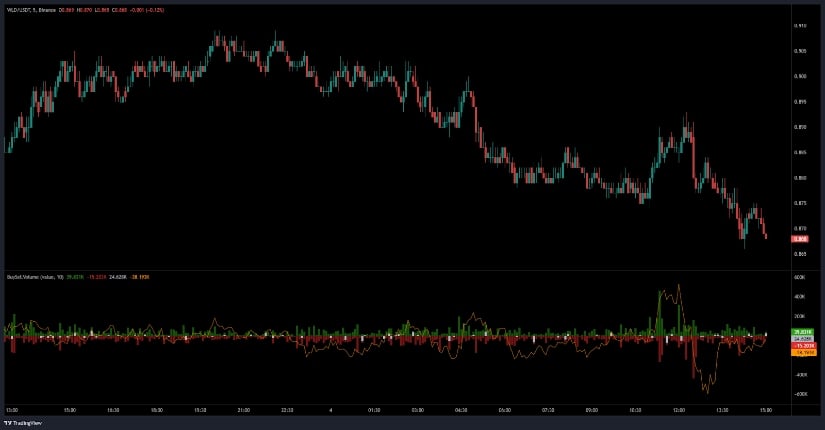
Worldcoin Price Prediction: Open Interest Decline Signals Bearish Pressure Toward $0.86

Worldcoin Price Prediction: Open Interest Decline Signals Bearish Pressure Toward $0.86

Worldcoin is under pressure as sellers push the price down, testing key support near $0.86.

Author: Brave Newcoin
Dogecoin Crucial Signal Emerges on Key Indicator Amid Market Drop

Dogecoin Crucial Signal Emerges on Key Indicator Amid Market Drop

The post Dogecoin Crucial Signal Emerges on Key Indicator Amid Market Drop appeared on BitcoinEthereumNews.com. Dogecoin has flashed a crucial signal as the broader crypto market saw slight selling pressure in the early Thursday session, with the majority of crypto assets seeing slight losses. A total of $214 million has been liquidated across the crypto market in the last 24 hours, according to CoinGlass data, the majority of which were long liquidations. As traders await what comes next in the market, Ali, a crypto analyst, highlights that a key indicator, the TD (Tom Demark) Sequential, has flashed a signal for contrarian traders. The TD Sequential is a counter-trend indicator that hints at trend exhaustion and potential price reversals. You Might Also Like According to Ali, while this key indicator nailed the top for Dogecoin’s price, it is now flashing green for the dog coin, hinting at an impending price reversal. At the time of writing, DOGE was up 0.2% in the last 24 hours to $0.216 following a two-day rise from Sept. 2. Dogecoin positive expectations linger Positive expectations remain on Dogecoin spot ETFs, with approval odds placed at 90%. Voicing this expectation, REX Shares predicts that the REX-Osprey DOGE ETF, DOJE, is imminent. Investors will gain exposure to the performance of Dogecoin through the DOJE ETF. You Might Also Like This week, House of Doge, the commercial arm of the Dogecoin Foundation, announced its partnership with CleanCore Solutions to establish a $175 million Dogecoin treasury. This is the first and only to be sponsored by the Dogecoin Foundation, with Elon Musk’s personal lawyer Alex Spiro serving as the chairman of the Board of Directors. As various Dogecoin ETF filings, including that of Grayscale, are currently under review with the SEC, Grayscale issued a tweet on its Dogecoin Trust, an investment vehicle that enables investors to gain exposure to Dogecoin (DOGE) without buying, storing or…

Author: BitcoinEthereumNews
Inside MEV on Ethereum: Builders, Searchers, and the Hidden Fees You Pay

Inside MEV on Ethereum: Builders, Searchers, and the Hidden Fees You Pay

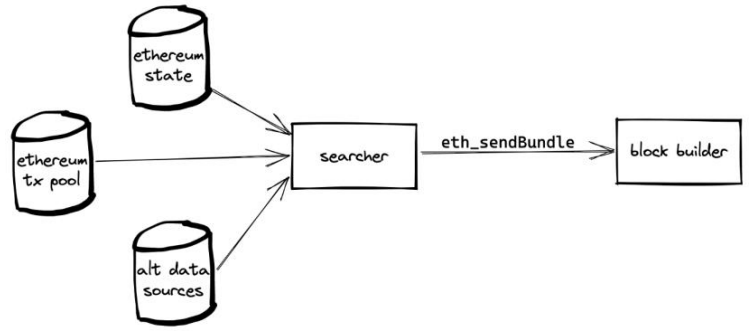
Maximal Extractable Value (MEV) is the profit captured by reordering or inserting transactions on Ethereum. While MEV can improve DeFi efficiency, it also drives up gas fees and creates an invisible “tax” on users through practices like sandwich trading. Specialized actors—searchers, builders, and relays—dominate this ecosystem, with Flashbots providing auction infrastructure. Though MEV extraction is lucrative, it centralizes block production and raises concerns around censorship, regulation, and taxation as governments begin scrutinizing these hidden flows of revenue.

Author: Hackernoon